
-
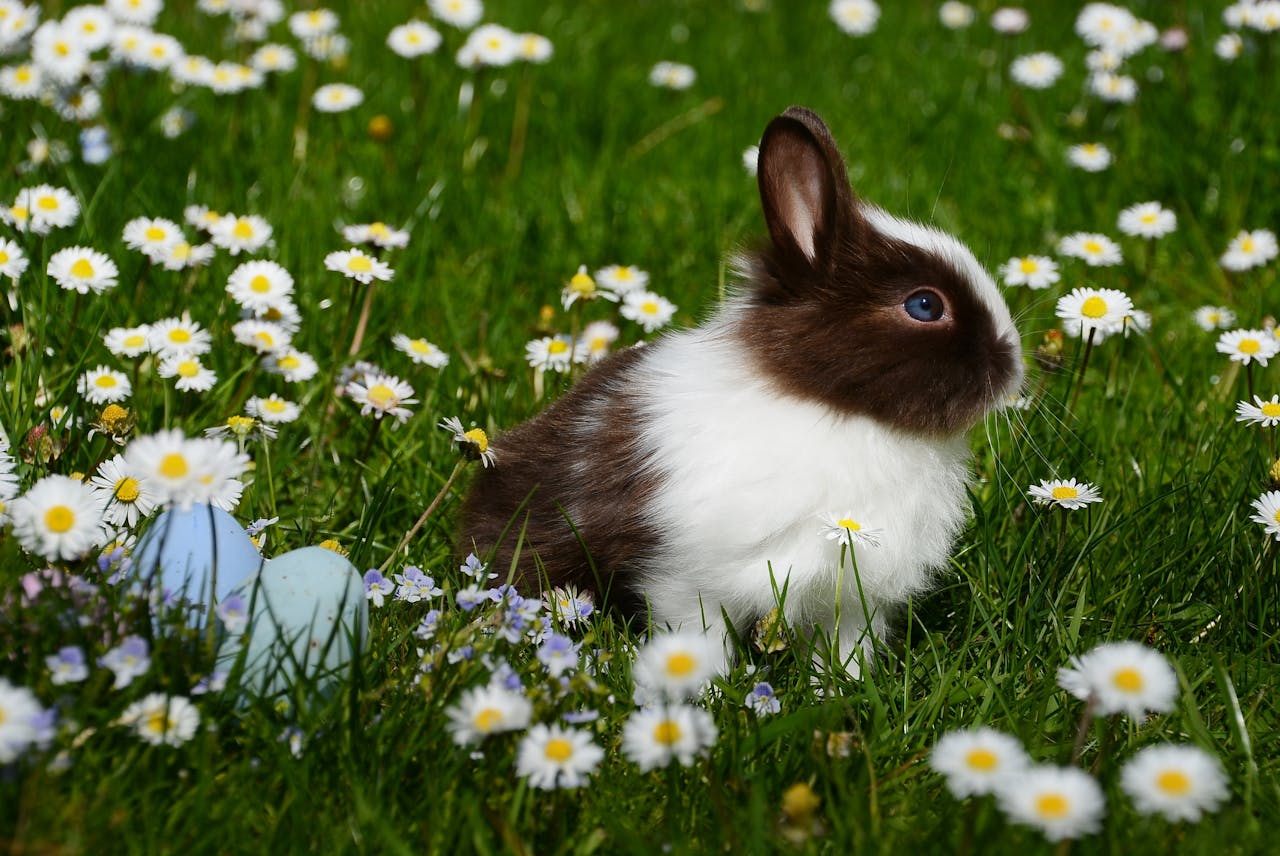
Parasitic diseases in rabbits: the commonest threats and how to prevent them
Coccidiosis, encephalitozoonosis, ear mange and cheyletiellosis are the parasitic diseases pet rabbits meet most often, and they can go unnoticed for a long time. We explain how they are diagnosed in the laboratory, how they are treated, and which hygiene, quarantine and feeding rules keep infection at bay.
-
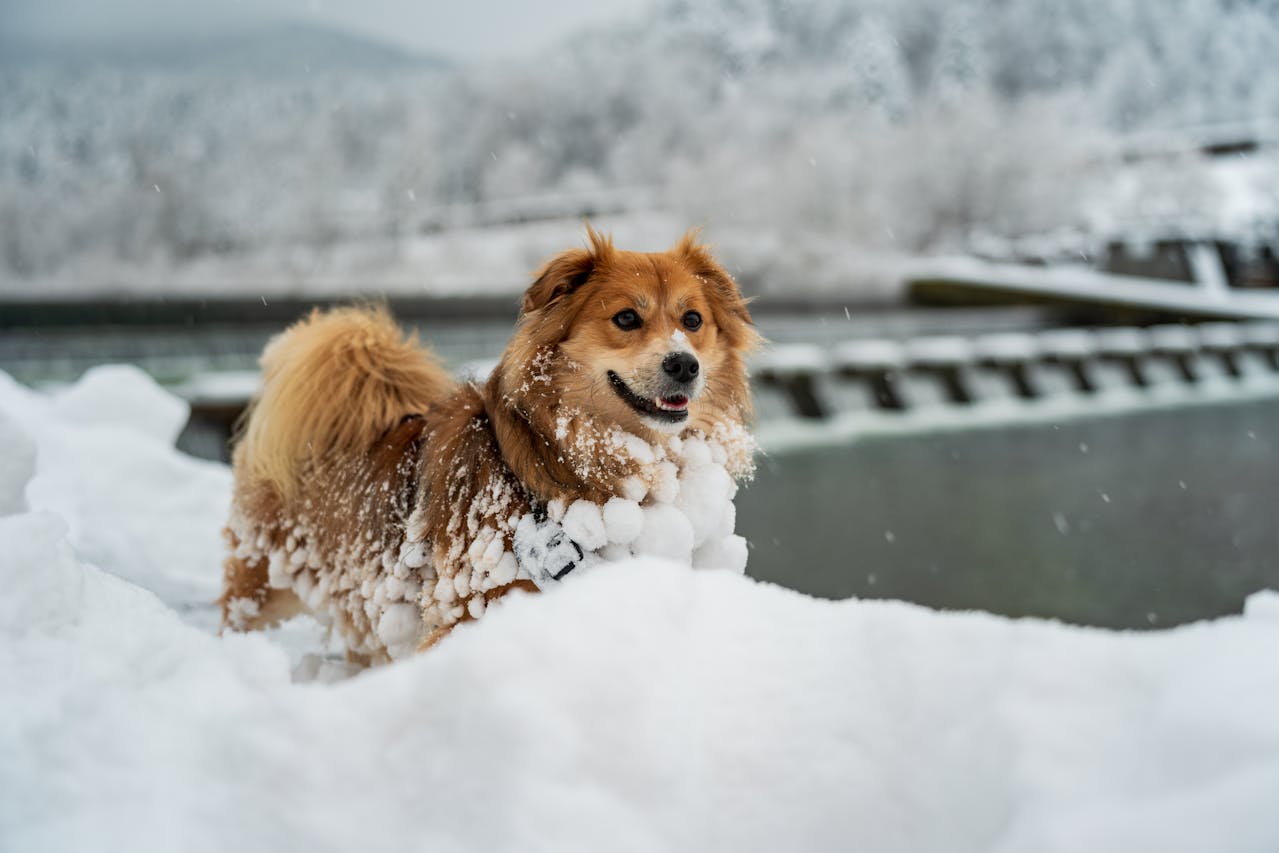
How to protect your dog’s paws in winter
Frost, ice and road salt leave a dog's pads irritated, cracked and sometimes frostbitten every winter. We explain how to pick a route and a protective wax before the walk, how to rinse and dry the paws properly once you are home, and which signs mean it is time to call the veterinary clinic.
-
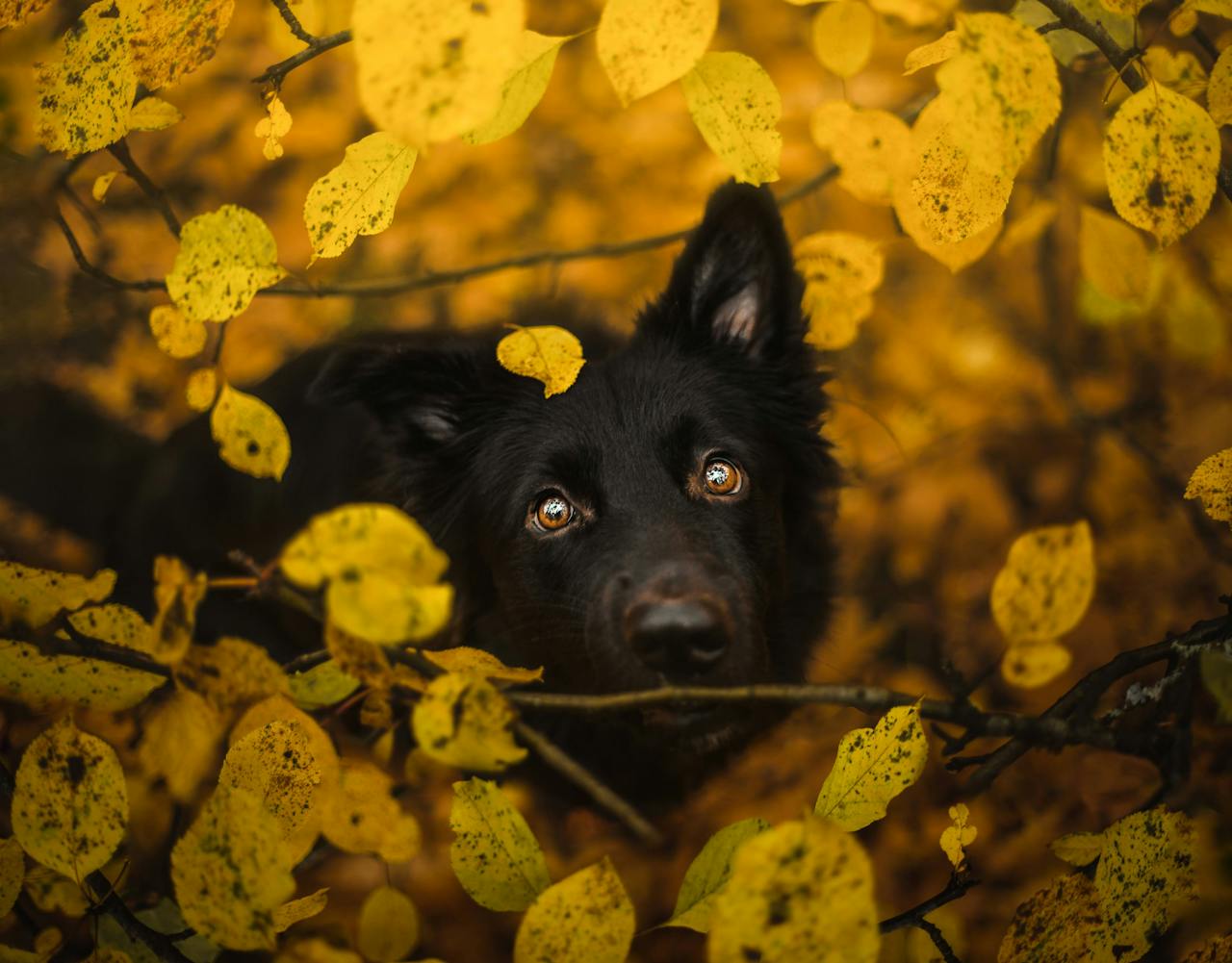
Horner’s syndrome in dogs and cats: signs, causes, diagnosis and treatment
A drooping eyelid, a smaller pupil and a visible third eyelid on one side add up to Horner's syndrome. It is not painful in itself and does not harm sight, but it often signals another, more serious condition underneath. We explain the causes, the diagnostic steps, the pharmacological tests and the treatment options.
What Is Entropion in Dogs and Cats?
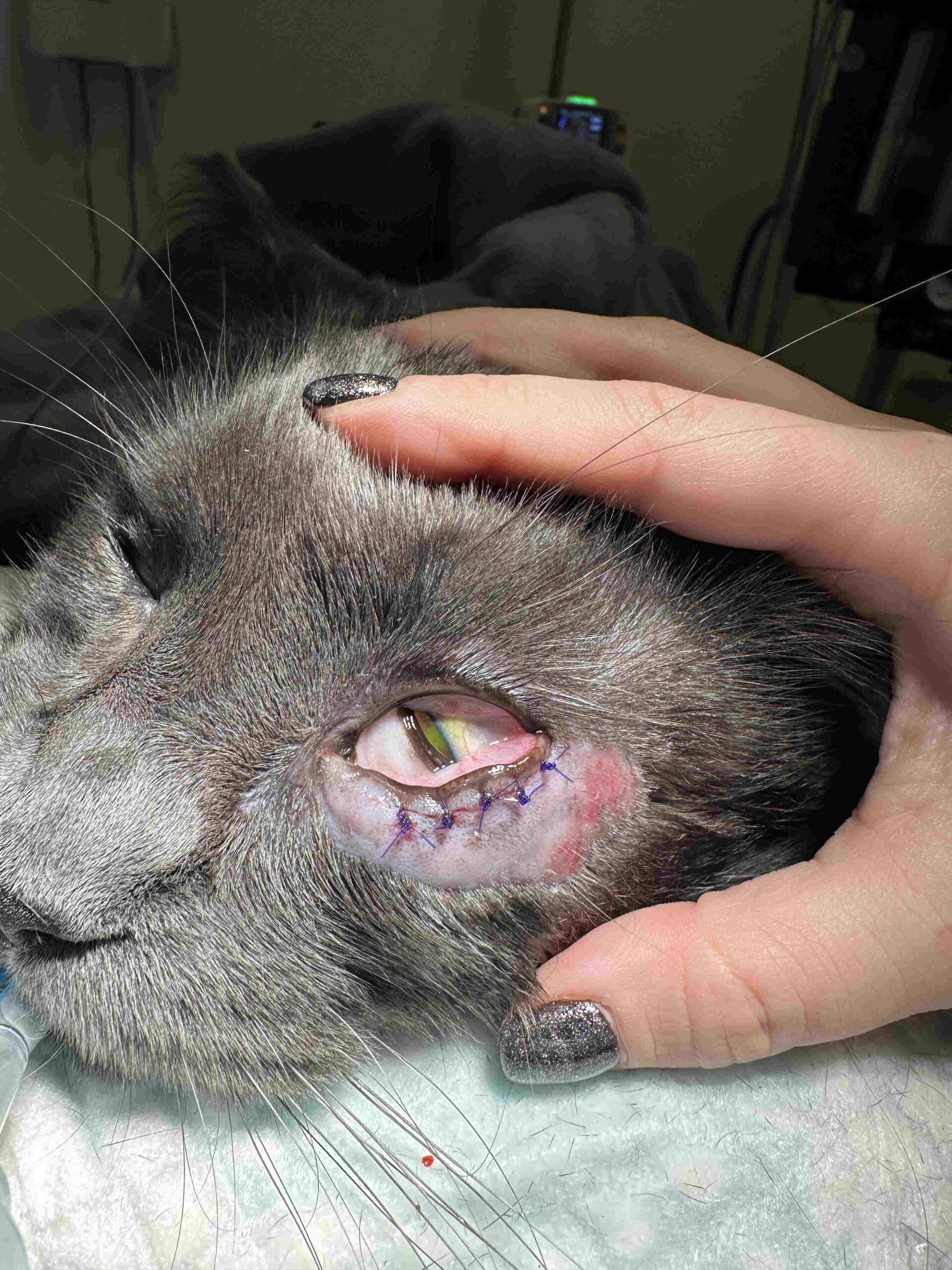
What is entropion in dogs and cats?
Entropion is an inward rolling of the eyelid towards the eye. It most often affects the lower lid, causing constant irritation of the eyeball by the lashes and the fur growing on the outer surface of the lid. Left untreated, it causes watering, ulceration and even loss of sight!
What causes entropion?
The condition can occur in both dogs and cats. Entropion can be caused by a congenital defect (the animal may have been born with it), breed predisposition, muscle spasm resulting from pain due to another eye problem, or age and the loss of skin elasticity around the face. Breeds predisposed to entropion include, among others:
What are the symptoms of entropion?
Among the first noticeable signs are reddening of the conjunctiva and heavy watering, caused by the lashes and fur irritating the eye. Depending on the severity of the problem, the rolled-in eyelid is visible. A corneal ulcer may also be seen. Animals may be listless, because the condition is painful.
What can be done about entropion in a dog or cat?
The standard approach to this condition is surgical correction of the eyelids. This involves removing a strip of skin below the lash line. The risk of the procedure failing is small, but it can happen that once the wound has healed the incision turns out to have been too small, in which case the procedure has to be repeated.
Patients have to wear a protective collar to safeguard the stitches and the surgical site. No eye drops are required.
It is important, however, to keep to the dates of follow-up visits. At Zviropolis the first check-up is 2-3 days after surgery, and the next 10 days after, to assess how the wound is healing.
Summary
The most important thing is to find the cause of the entropion. If the rolled-in eyelid has led to complications, the entropion must be corrected first and the resulting damage treated afterwards. Owners should bear in mind that an animal with this defect must not be bred from, and if it has already had offspring, it is likely that the litter may also be affected by the condition.