

-
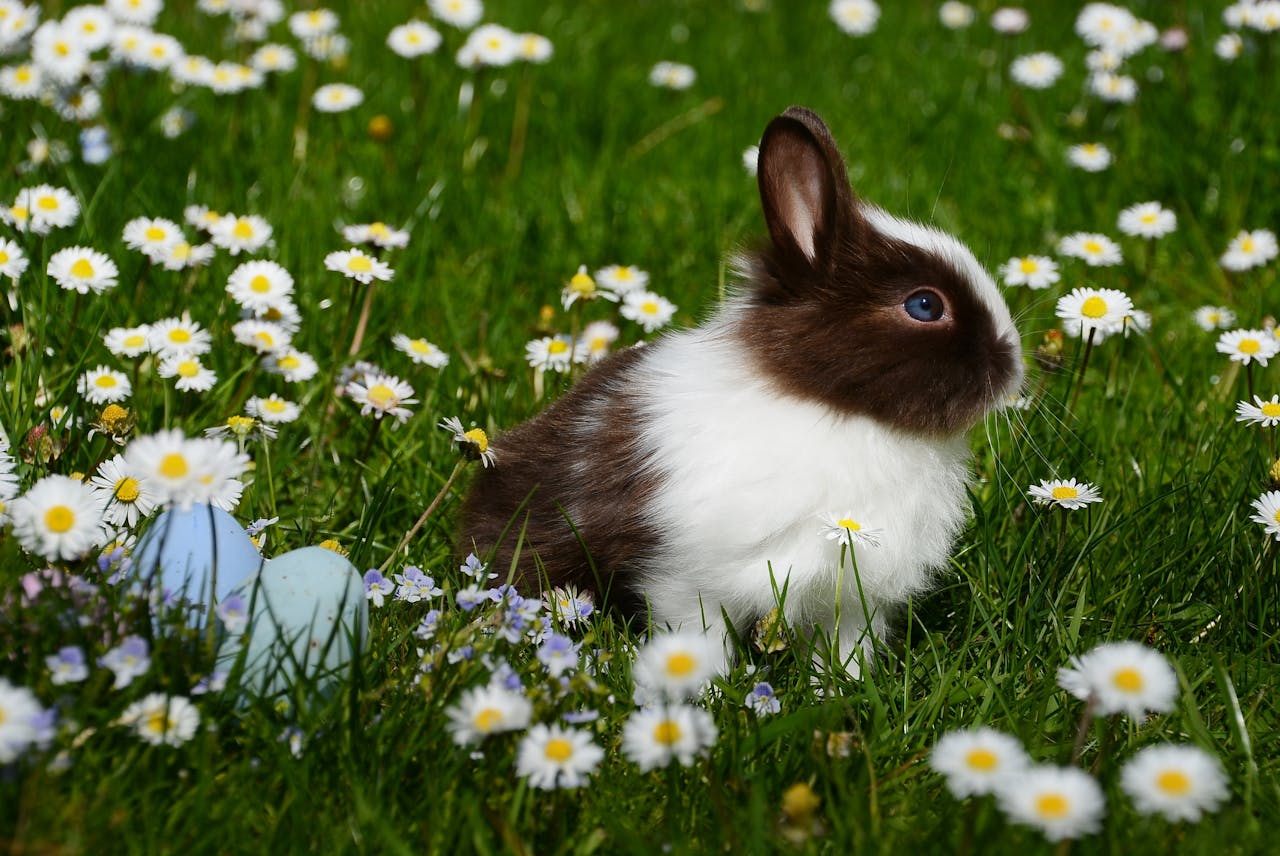
Parasitic diseases in rabbits: the commonest threats and how to prevent them
Coccidiosis, encephalitozoonosis, ear mange and cheyletiellosis are the parasitic diseases pet rabbits meet most often, and they can go unnoticed for a long time. We explain how they are diagnosed in the laboratory, how they are treated, and which hygiene, quarantine and feeding rules keep infection at bay.
-
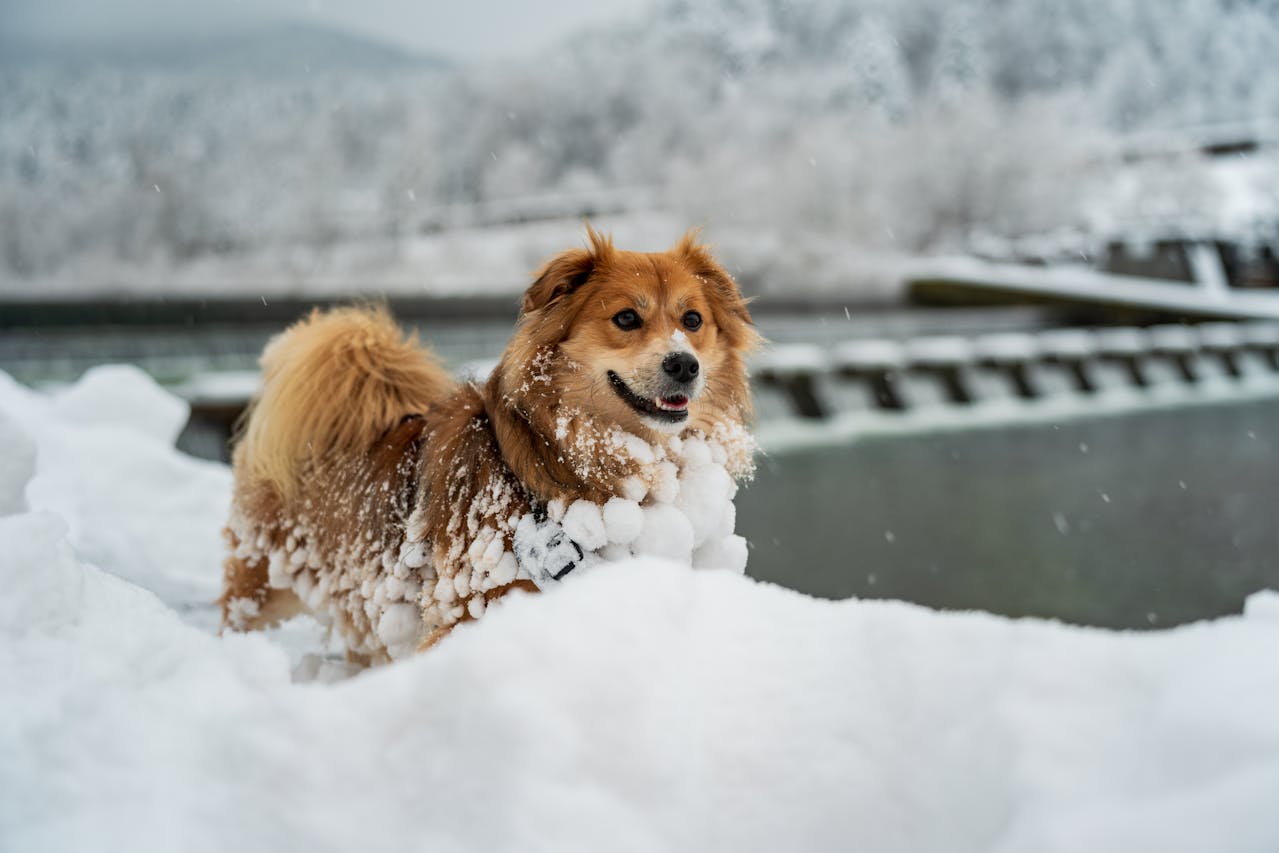
How to protect your dog’s paws in winter
Frost, ice and road salt leave a dog's pads irritated, cracked and sometimes frostbitten every winter. We explain how to pick a route and a protective wax before the walk, how to rinse and dry the paws properly once you are home, and which signs mean it is time to call the veterinary clinic.
-
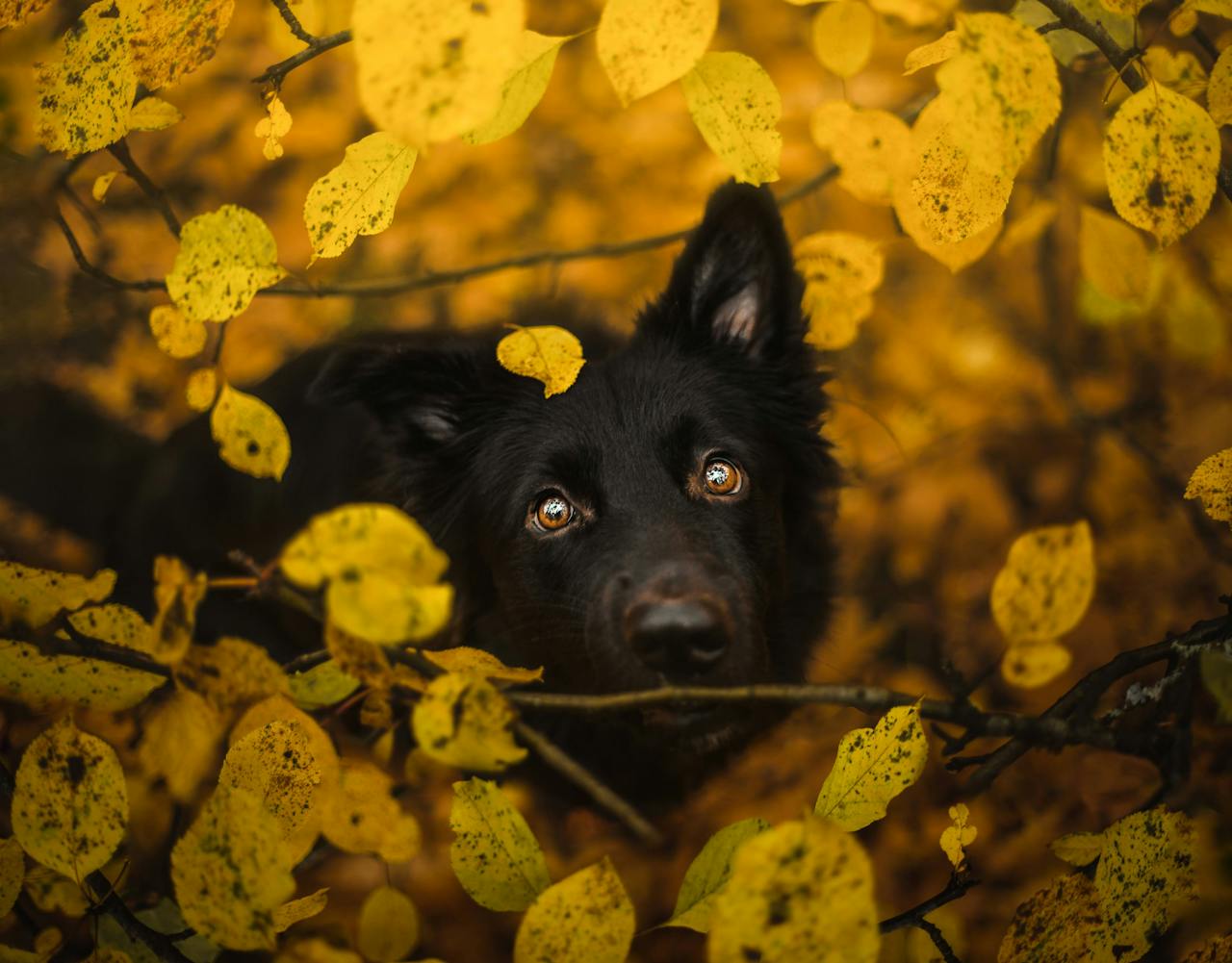
Horner’s syndrome in dogs and cats: signs, causes, diagnosis and treatment
A drooping eyelid, a smaller pupil and a visible third eyelid on one side add up to Horner's syndrome. It is not painful in itself and does not harm sight, but it often signals another, more serious condition underneath. We explain the causes, the diagnostic steps, the pharmacological tests and the treatment options.
What is anal gland inflammation in dogs?
What are a dog’s anal glands?
These glands sit on either side of the anus and, among other things, secrete substances responsible for scent communication with other animals. The anal sacs are located on both sides of the anus as two symmetrical little balls.
What is anal gland inflammation in dogs?
In the wild, when dogs ate harder foods such as bones, the glands emptied naturally whenever the dog passed stools. Nowadays, however, with so many dogs on wet food, for example, these structures can become overfull, leaving the dog uncomfortable. The sacs contain a fairly oily substance ranging in colour from pale yellow to brown, which is normal and varies between individuals. But if the secretion is tinged with blood, is thick, smells worse than usual and the animal becomes aggressive when the sacs are emptied, it is a sign that the gland is not working as it should.
Ignoring this condition can even lead to an abscess or a fistula.
What are the symptoms of anal gland inflammation?
One of the first unusual behaviours is what is known as scooting. This is when your dog drags its bottom along the floor as if it were itchy. Dogs may show excessive interest in the anal area and lick it. Some dogs may even chew the fur on their flanks and refuse food because of the discomfort.
How to prevent anal gland problems in dogs
Regular emptying of the anal sacs is essential for dogs that have trouble emptying them on their own. How often this needs doing varies from dog to dog, so simply keep an eye on your pet’s behaviour.
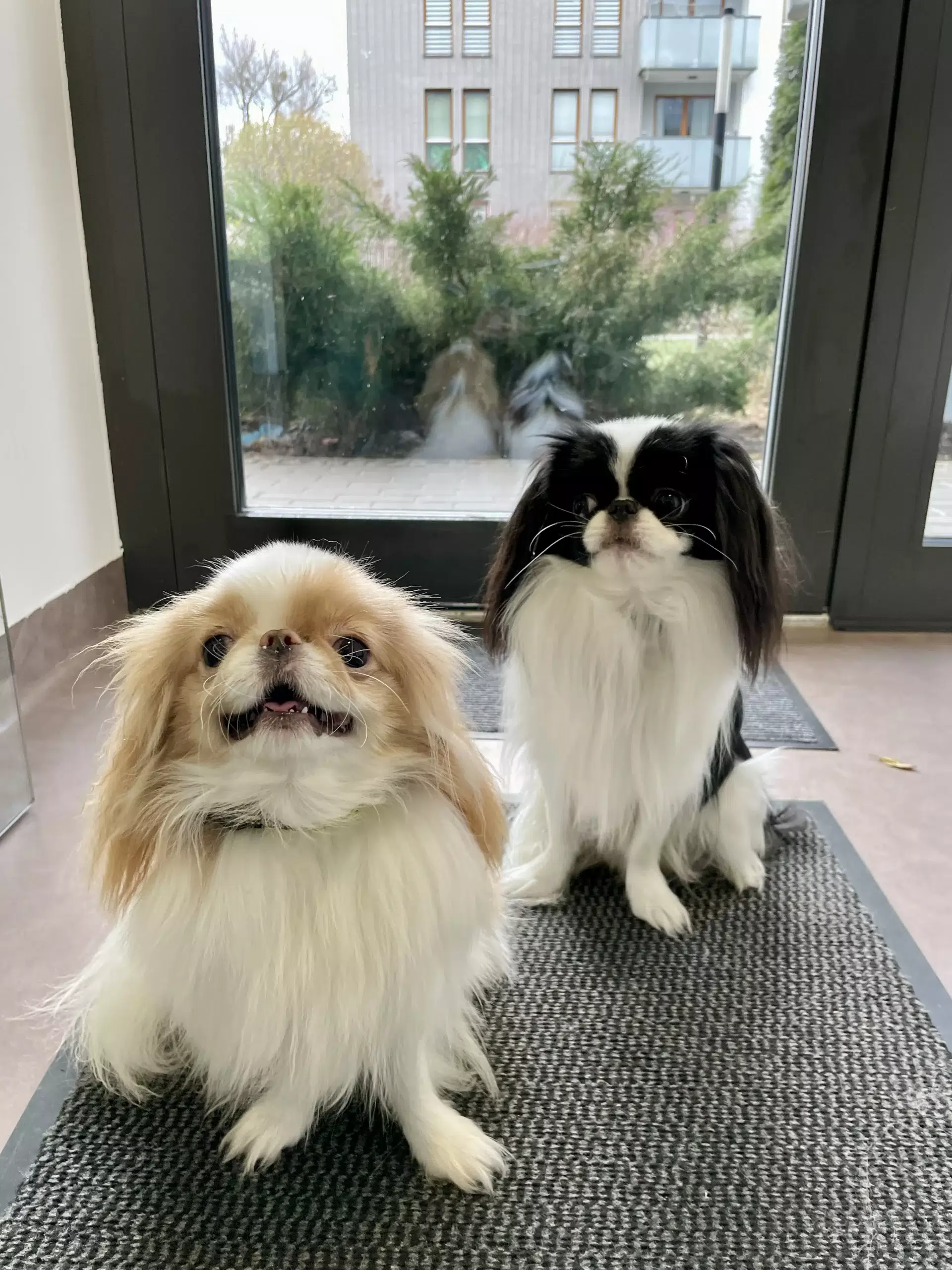
It is more often small breeds such as Pugs, French Bulldogs, Boston Terriers and Cavaliers that need veterinary help with this.
To prevent anal sac problems, you need to find their cause. Changing your dog’s diet to a balanced feeding plan containing fibre often helps.