
-
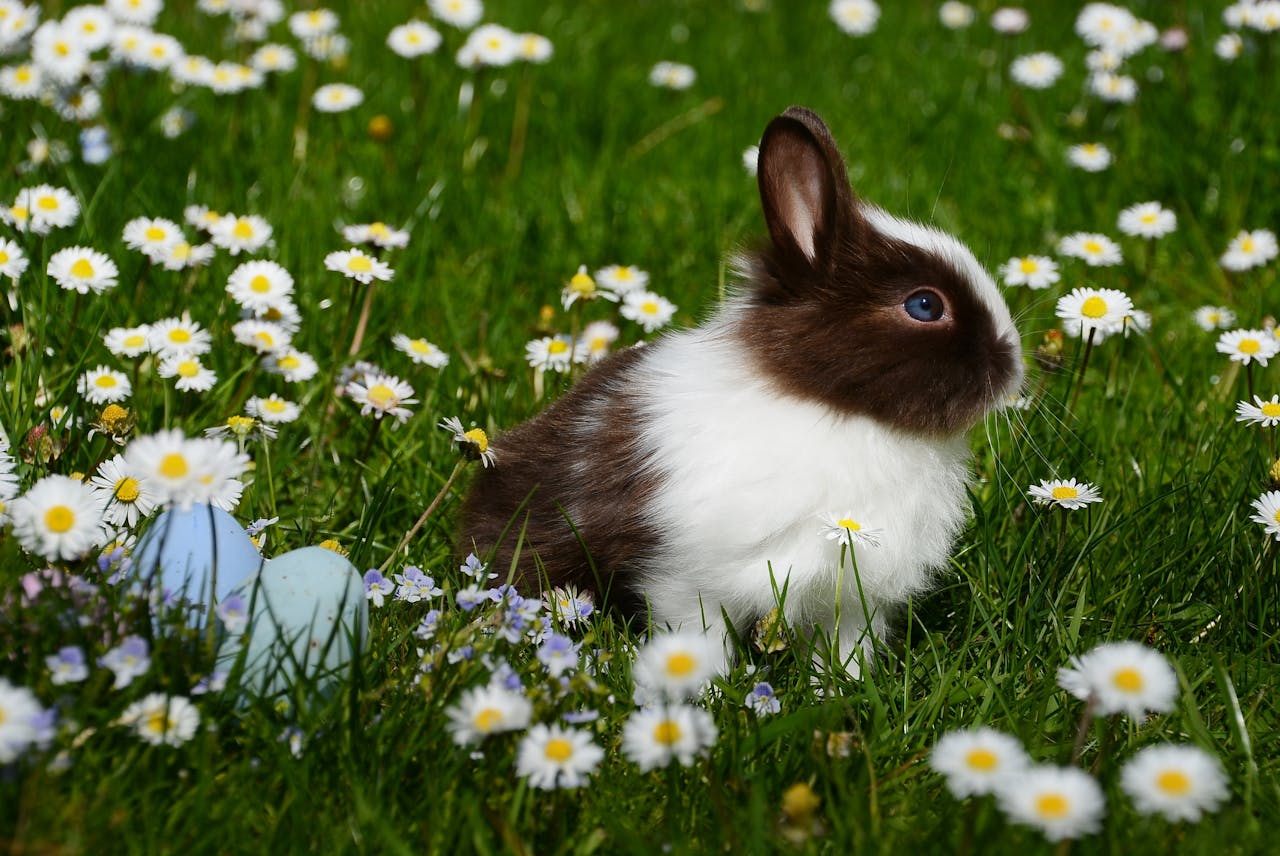
Parasitic diseases in rabbits: the commonest threats and how to prevent them
Coccidiosis, encephalitozoonosis, ear mange and cheyletiellosis are the parasitic diseases pet rabbits meet most often, and they can go unnoticed for a long time. We explain how they are diagnosed in the laboratory, how they are treated, and which hygiene, quarantine and feeding rules keep infection at bay.
-
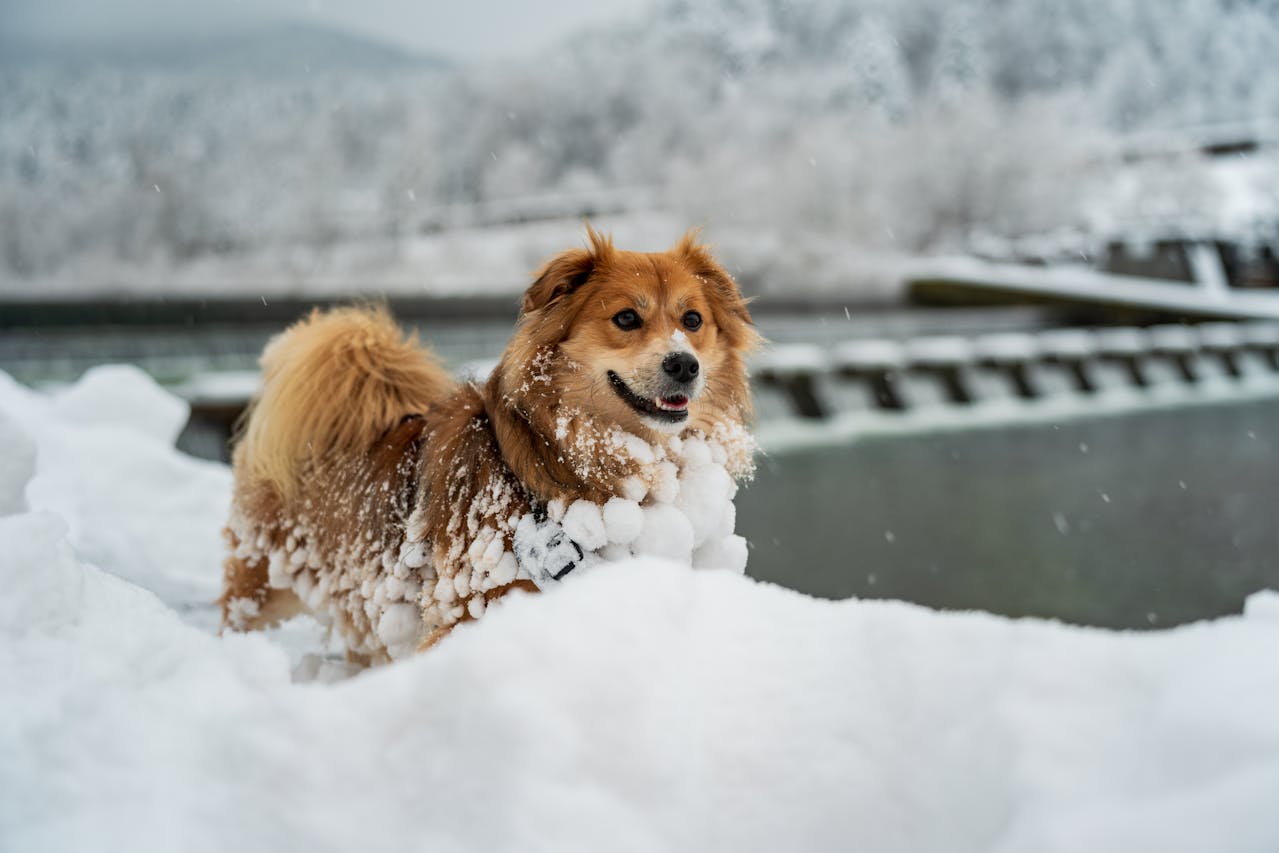
How to protect your dog’s paws in winter
Frost, ice and road salt leave a dog's pads irritated, cracked and sometimes frostbitten every winter. We explain how to pick a route and a protective wax before the walk, how to rinse and dry the paws properly once you are home, and which signs mean it is time to call the veterinary clinic.
-
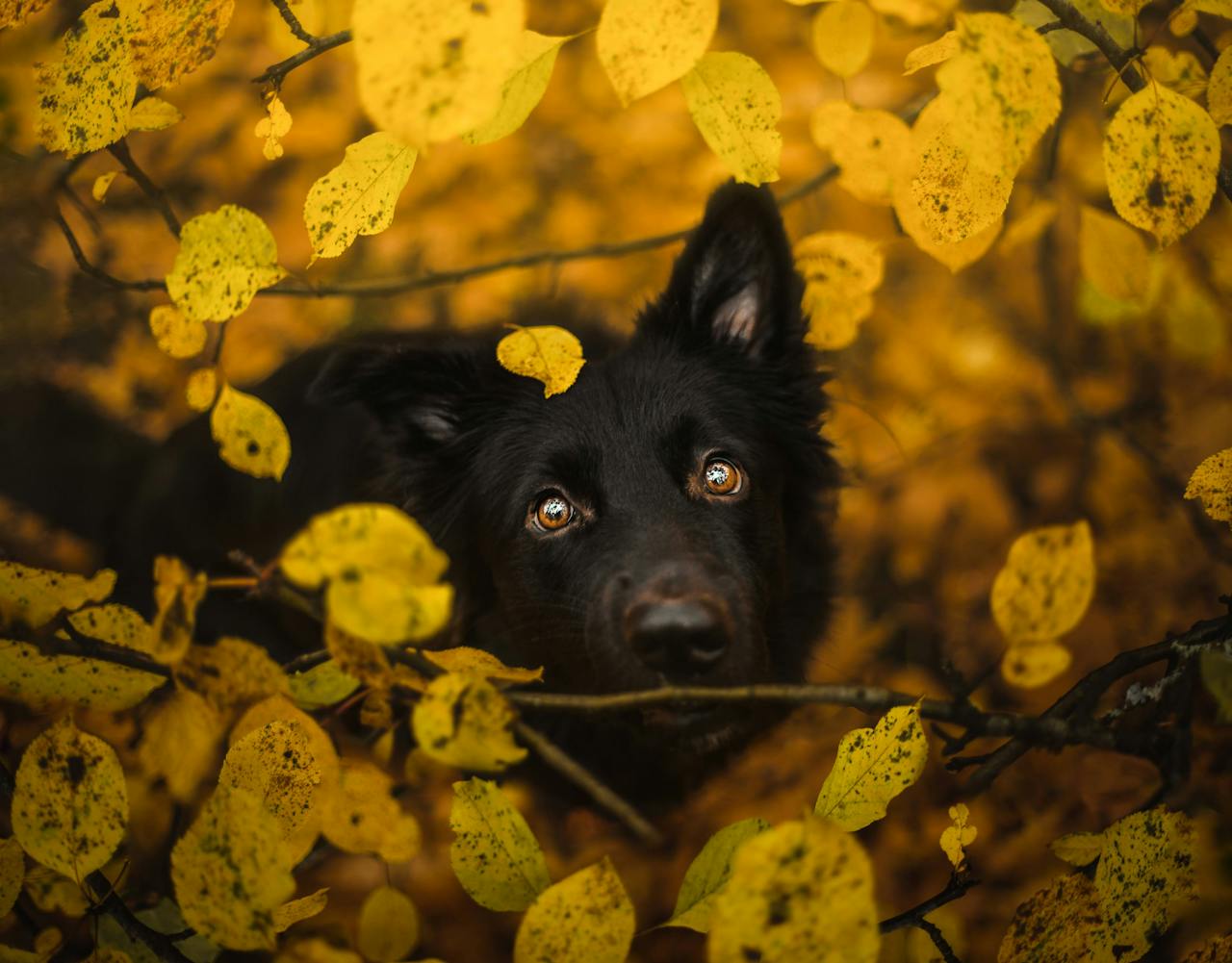
Horner’s syndrome in dogs and cats: signs, causes, diagnosis and treatment
A drooping eyelid, a smaller pupil and a visible third eyelid on one side add up to Horner's syndrome. It is not painful in itself and does not harm sight, but it often signals another, more serious condition underneath. We explain the causes, the diagnostic steps, the pharmacological tests and the treatment options.
What is a pet passport?

What are the benefits of having a passport for your dog or cat?
Here are some of the main benefits of a pet passport:
Travel: if you are planning to travel with your pet, especially abroad, a pet passport may be essential. It records your pet’s health details and vaccinations and confirms that the animal belongs to you. Border authorities and airlines often ask for it, as it guarantees that your pet meets the relevant health and veterinary requirements.
Safety and identification: a pet passport contains identifying details such as the animal’s name, breed, sex and description. If your pet is lost or stolen, the passport makes it possible to identify the owner quickly and get the animal home. The passport can also record the microchip number, which improves the chances of a lost pet being found.
Health records: a pet passport holds information on vaccinations, laboratory tests, international health certificates and other important health data. This makes it easier to manage your pet’s healthcare and gives a fuller picture of its medical history.
Legal compliance: in many countries, having a pet passport is a statutory or regulatory requirement. An entry or stamp in the passport confirms that the animal has been handled in line with veterinary regulations and is in the country legally.
Easy updates: a pet passport can easily be updated whenever anything changes, such as your address, contact details or new vaccinations. That way you always have an up-to-date document with the most important information about your pet.
Can an animal travel without a passport?
If an animal travels without the proper document, the owner should be aware that it may be sent back to the country it came from or placed in quarantine at the border. The length of quarantine varies from country to country, but it is usually several weeks. On top of that, the owner may be fined!
Who can issue passports?
Passports are issued by a veterinarian, who is required to register the document in a dedicated system that records every passport issued in Poland.
What is needed to get a passport for a dog or cat?
Dogs and cats must meet the same conditions to be issued a passport.
What does the passport contain?
What tests are required before travelling abroad?
Testing requirements vary from country to country. We recommend checking the relevant government websites to find out exactly what needs to be done before departure and within what timeframe.
How soon after the passport is issued can you travel with your dog or cat?
The passport becomes valid 3 weeks after the date of issue, because of the waiting period following vaccination. Only once this period has passed can you travel with your pet.
How long is a pet passport valid for?
Passports have no fixed expiry date; a new one is usually needed only when there is no more room to record vaccinations.
To sum up, travelling with a pet takes a good deal of preparation – it is not as simple as it might seem! If you have any doubts, please do not hesitate to contact our vets.