

-

Parasitic diseases in rabbits: the commonest threats and how to prevent them
Coccidiosis, encephalitozoonosis, ear mange and cheyletiellosis are the parasitic diseases pet rabbits meet most often, and they can go unnoticed for a long time. We explain how they are diagnosed in the laboratory, how they are treated, and which hygiene, quarantine and feeding rules keep infection at bay.
-

How to protect your dog’s paws in winter
Frost, ice and road salt leave a dog's pads irritated, cracked and sometimes frostbitten every winter. We explain how to pick a route and a protective wax before the walk, how to rinse and dry the paws properly once you are home, and which signs mean it is time to call the veterinary clinic.
-
Horner’s syndrome in dogs and cats: signs, causes, diagnosis and treatment
A drooping eyelid, a smaller pupil and a visible third eyelid on one side add up to Horner's syndrome. It is not painful in itself and does not harm sight, but it often signals another, more serious condition underneath. We explain the causes, the diagnostic steps, the pharmacological tests and the treatment options.
What Is a Hot Spot in Dogs? Causes, Symptoms and Treatment
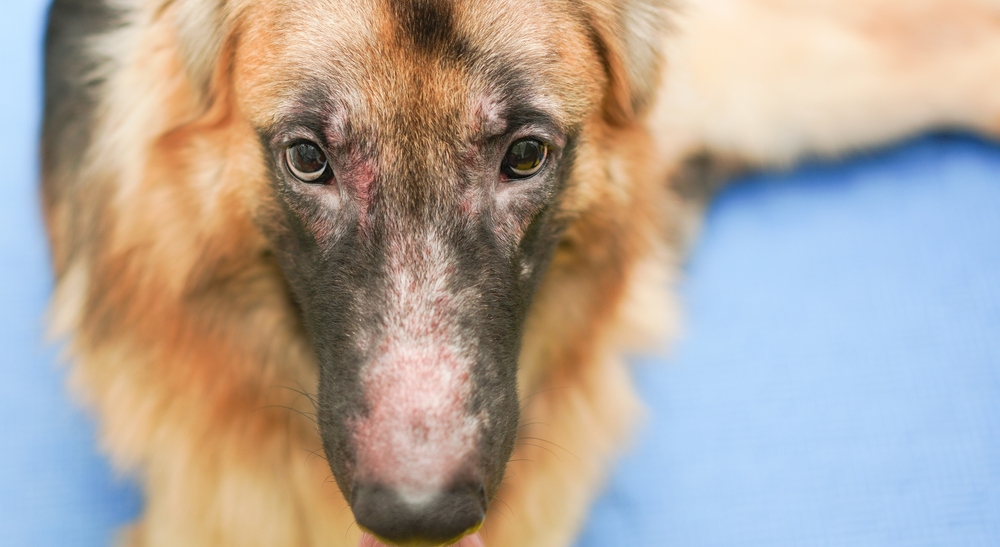
Hot spots in dogs are a problem that catches many owners off guard. These painful skin lesions come on suddenly and spread quickly, which makes them hard to miss. In this article we take a closer look at the condition, covering its signs, its causes and how it is treated. Knowing how to recognise a hot spot and respond to it is essential if you want to keep your pet comfortable and healthy. You will also learn how to prevent them and when a trip to the vet is unavoidable.
What is a hot spot in dogs?
A hot spot in a dog is a localised inflammation of the skin characterised by moisture, redness and considerable pain. These lesions can appear out of nowhere and spread rapidly, which is why owners are so often taken by surprise. Hot spots are most common in warm, humid weather, but they can occur at any time of year.
There are a few features that give a hot spot away:
Recognising these signs early and acting on them is key to your dog’s wellbeing. It stops the skin from deteriorating further and gives your pet relief from the discomfort.
Signs of a hot spot in dogs
A hot spot is a skin problem that can flare up suddenly and worsen at an alarming rate. The classic signs are red, moist patches on the skin caused by localised inflammation. These lesions often lead to bald patches, because the dog licks and scratches the affected area relentlessly in an attempt to relieve the itching and pain. That only irritates the skin further and makes matters worse.
Hot spots can develop very quickly, sometimes within a matter of hours. Owners therefore need to stay alert and act immediately. Left untreated, a hot spot can lead to far more serious complications. The typical signs are:
Understanding these signs is what allows you to identify the problem quickly and start the right treatment, sparing your pet further health complications.
What causes hot spots
Hot spots in dogs have many possible causes, and these are often interlinked. One of the main culprits is allergy, both dietary and environmental. Allergens such as pollen, dust mites or particular ingredients in a dog’s food cause intense itching and skin irritation, prompting the dog to scratch and lick excessively. That in turn damages the skin and allows a hot spot to develop. Another frequent cause is insect bites from fleas or mosquitoes, which are equally itchy.
Alongside allergies and bites, bacterial or fungal infections can also give rise to hot spots. Where the skin is already damaged or irritated, bacteria and fungi find an easy way in, and infection can follow. Some dogs are also prone to excessive licking or scratching out of stress or boredom, which irritates the skin in much the same way. To make sense of these factors, it is worth keeping the following in mind:
Understanding these causes makes it far easier to prevent hot spots in dogs and to treat them effectively.
How is a hot spot treated?
Treating a hot spot calls for care and the right approach if the area is to heal quickly and properly. The first step is to clip the hair around the lesion, which lets air reach the skin and makes the affected area easier to work with. Next, the area should be cleaned thoroughly with a gentle antiseptic to remove bacteria and speed up healing. It is also worth applying antibacterial or antifungal ointments to help fight the infection. Bear in mind that home care alone may not be enough, so it is always sensible to consult a veterinarian.
Your vet will help choose the right medication and advise you on preventing further skin problems. In some cases antibiotics or steroids are needed to bring down the inflammation and ease the pain. A protective collar can stop your dog from making the skin worse by licking or scratching. Some gentle home remedies can support the treatment as well. Here are a few suggestions:
Do remember, though, that before using any of these you should check with your vet to make sure they are safe for your pet.
Preventing hot spots
Keeping hot spots at bay comes down to a handful of key points in the way we groom and care for our four-legged companions. Regular brushing is one of the most important. It removes dead hair and prevents matting, which traps moisture against the skin. Keeping the coat dry matters because a damp environment encourages bacteria and fungi to grow, and that leads to skin irritation.
Diet plays a significant part in preventing skin problems too. Make sure your dog’s meals are rich in omega-3 fatty acids, which support healthy skin and coat. Regular veterinary check-ups are essential for monitoring your dog’s health, as is parasite control, which guards against insect bites that can set off allergic reactions. Here are a few pointers:
When should you see a vet?
If you notice that your dog’s skin lesions are spreading at an alarming rate, or that several appear at once, do not put off a visit to the vet. Fast-developing hot spots can lead to serious health complications. Untreated inflammation may spread to other parts of the body, increasing the risk of infection and undermining your dog’s overall health. In cases like these, home remedies on their own are unlikely to be enough.
It is also worth watching for accompanying signs that point to the need for veterinary advice. The following should give you pause:
A veterinary consultation allows for an accurate diagnosis and the right course of treatment, which may include antibiotics or anti-inflammatory medication. Remember that acting quickly is crucial for your pet’s health.
Summary
Hot spots in dogs are localised skin inflammations that can be extremely painful and distressing for the animal. They are characterised by moisture, redness and considerable pain. The lesions appear suddenly and spread quickly, which often takes owners by surprise. They are most common in warm, humid weather, but they can occur at any time. Recognising signs such as red, moist patches, intense itching and bald areas early on matters a great deal for your dog’s health.
The causes of hot spots are varied and frequently interrelated: food and environmental allergies, insect bites, and bacterial or fungal infections. Treatment demands care — clipping the hair around the lesion, cleaning the area and applying antibacterial or antifungal ointments. It is also worth consulting a vet to choose the right medication and head off further skin problems. Regular grooming, a suitable diet and veterinary check-ups all help to keep these lesions from developing in the first place.
Frequently asked questions
Which dog breeds are most prone to hot spots?
Some breeds, including Golden Retrievers, Labradors, German Shepherds and Newfoundlands, are more likely to develop hot spots. This is down to their dense coats and their tendency towards skin allergies.
Can hot spots be mistaken for other skin problems?
Yes, hot spots can be confused with other skin conditions such as ringworm or bacterial infections. That is why, if you are in any doubt, you should see a vet for a proper diagnosis.
Can a dog’s diet affect the development of hot spots?
Diet matters a great deal for a dog’s skin health. A poor diet lacking essential nutrients can lead to skin problems, hot spots among them. Make sure your pet gets enough omega-3 and omega-6 fatty acids.
Can stress contribute to hot spots in dogs?
Stress is one of the factors that can drive a dog to lick and scratch excessively, which raises the risk of a hot spot developing. It is important to give your dog a calm environment and plenty of physical exercise.
How long does it take to treat a hot spot?
That depends on how advanced the lesion is and on the treatment used. Improvement usually shows within a few days of starting treatment, but complete healing can take one to two weeks.
Can recurring hot spots be prevented?
To reduce the risk of a recurrence, groom your dog’s coat regularly, keep it dry and look after their diet and general health. Regular veterinary visits will help you monitor the skin and respond quickly to any problems.