

-
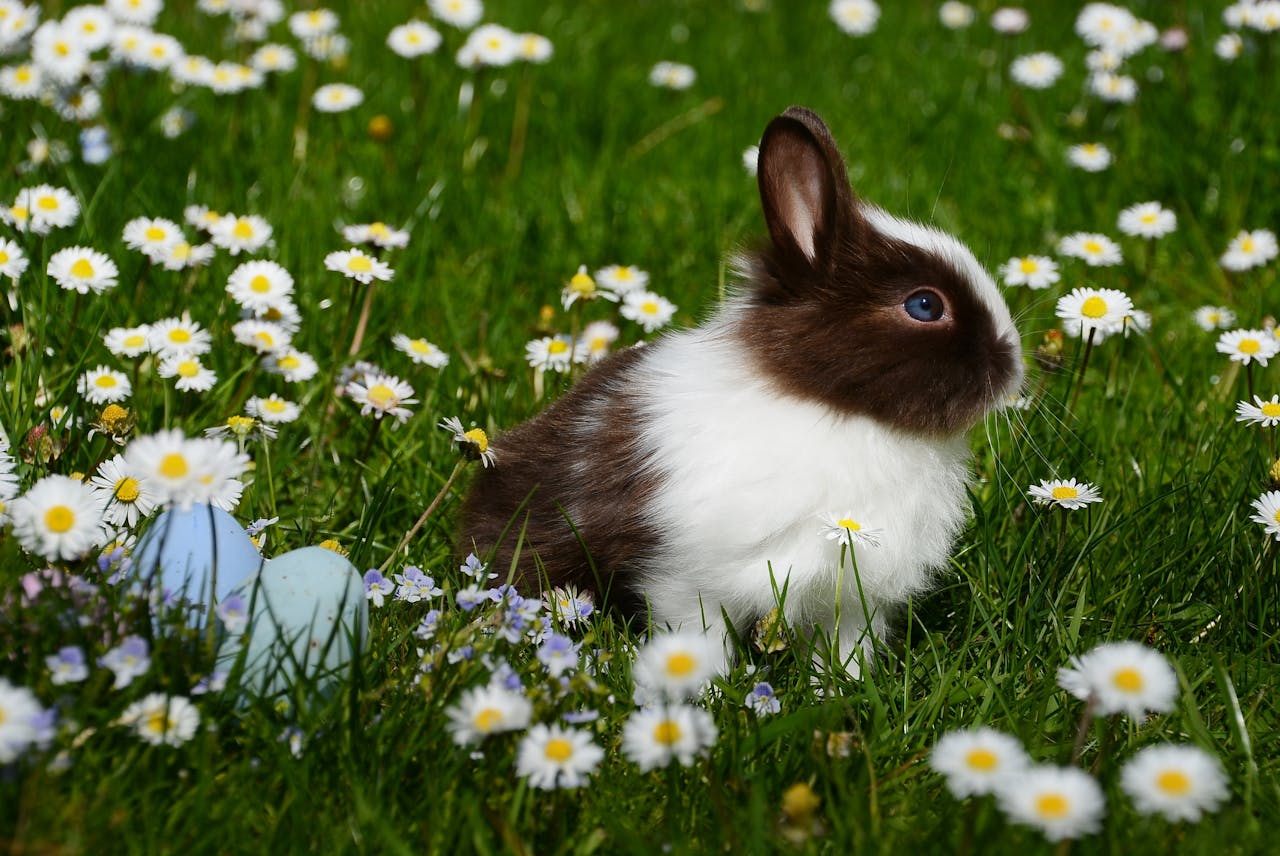
Parasitic diseases in rabbits: the commonest threats and how to prevent them
Coccidiosis, encephalitozoonosis, ear mange and cheyletiellosis are the parasitic diseases pet rabbits meet most often, and they can go unnoticed for a long time. We explain how they are diagnosed in the laboratory, how they are treated, and which hygiene, quarantine and feeding rules keep infection at bay.
-
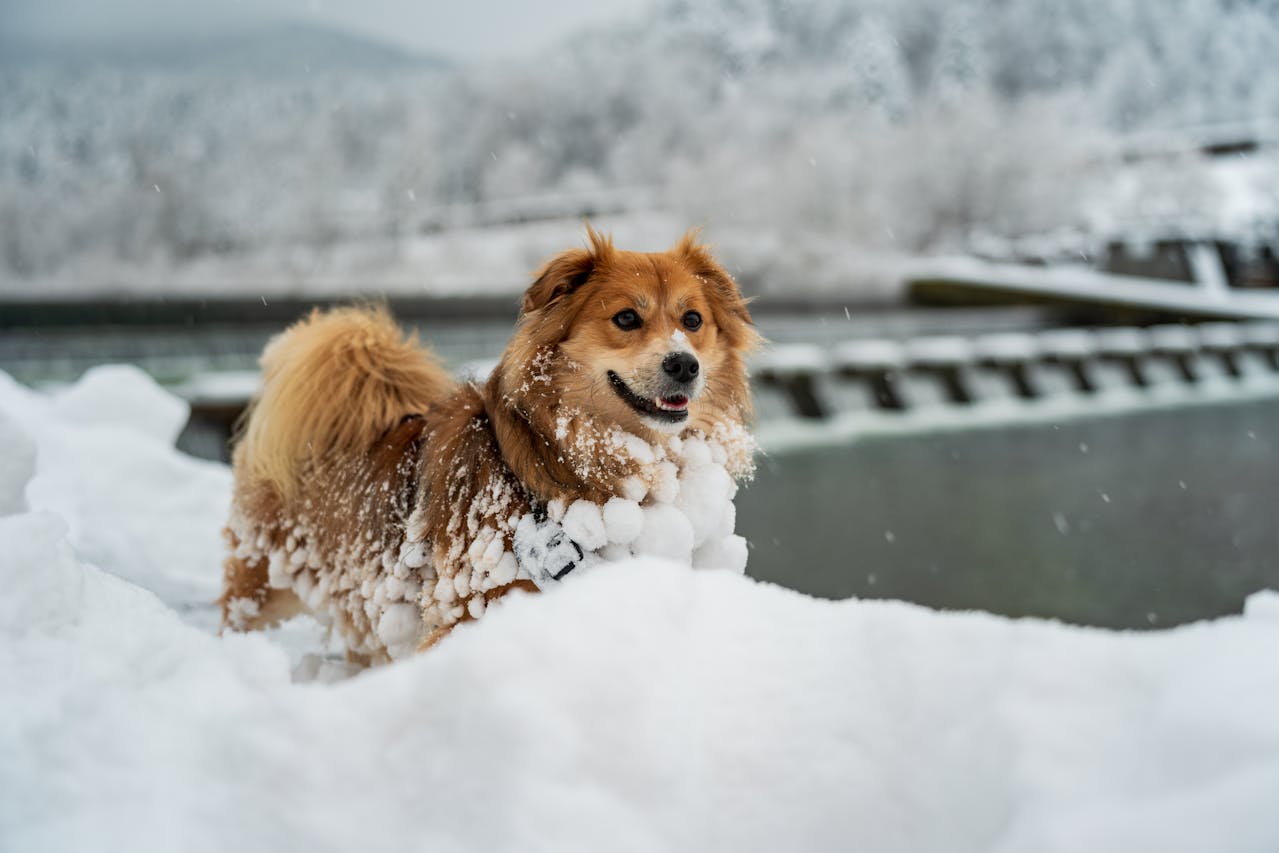
How to protect your dog’s paws in winter
Frost, ice and road salt leave a dog's pads irritated, cracked and sometimes frostbitten every winter. We explain how to pick a route and a protective wax before the walk, how to rinse and dry the paws properly once you are home, and which signs mean it is time to call the veterinary clinic.
-
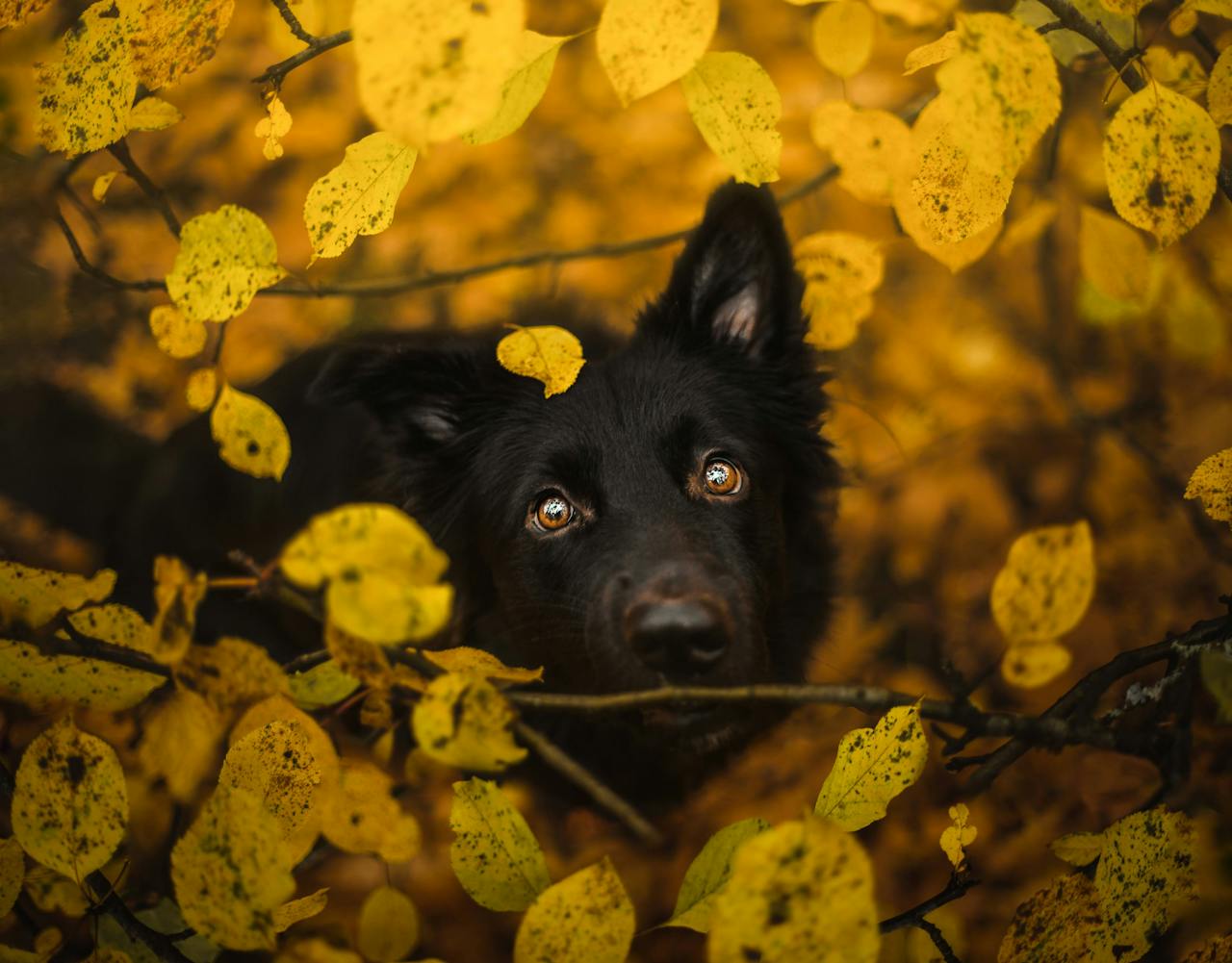
Horner’s syndrome in dogs and cats: signs, causes, diagnosis and treatment
A drooping eyelid, a smaller pupil and a visible third eyelid on one side add up to Horner's syndrome. It is not painful in itself and does not harm sight, but it often signals another, more serious condition underneath. We explain the causes, the diagnostic steps, the pharmacological tests and the treatment options.
What does a neurological examination of an animal involve?
Animals are most often referred to a neurologist by an internal medicine vet, who
carries out basic additional tests. The results obtained help make the specialist
consultation more efficient.
You can always call the Zviropolis clinic and ask a vet what the best
course of action would be in your case.
How should you prepare your pet for a neurology appointment?
No special preparation is needed for a neurology consultation, but it is helpful
to have a video recording of any worrying episodes.
A neurology consultation is non-invasive: the animal is examined by sight and touch. There is no
anaesthesia and no pain, so that the animal stays as comfortable as possible.
What does a neurological examination involve?
In the consulting room, the vet first assesses the patient’s level of consciousness, gait and posture. The visit
always begins with a conversation with the owner about the symptoms and the circumstances in which they
appeared. What should an owner know before their pet’s neurology consultation?