

-

Parasitic diseases in rabbits: the commonest threats and how to prevent them
Coccidiosis, encephalitozoonosis, ear mange and cheyletiellosis are the parasitic diseases pet rabbits meet most often, and they can go unnoticed for a long time. We explain how they are diagnosed in the laboratory, how they are treated, and which hygiene, quarantine and feeding rules keep infection at bay.
-

How to protect your dog’s paws in winter
Frost, ice and road salt leave a dog's pads irritated, cracked and sometimes frostbitten every winter. We explain how to pick a route and a protective wax before the walk, how to rinse and dry the paws properly once you are home, and which signs mean it is time to call the veterinary clinic.
-

Horner’s syndrome in dogs and cats: signs, causes, diagnosis and treatment
A drooping eyelid, a smaller pupil and a visible third eyelid on one side add up to Horner's syndrome. It is not painful in itself and does not harm sight, but it often signals another, more serious condition underneath. We explain the causes, the diagnostic steps, the pharmacological tests and the treatment options.
Truths and myths about vaccinating dogs and cats: what you should know
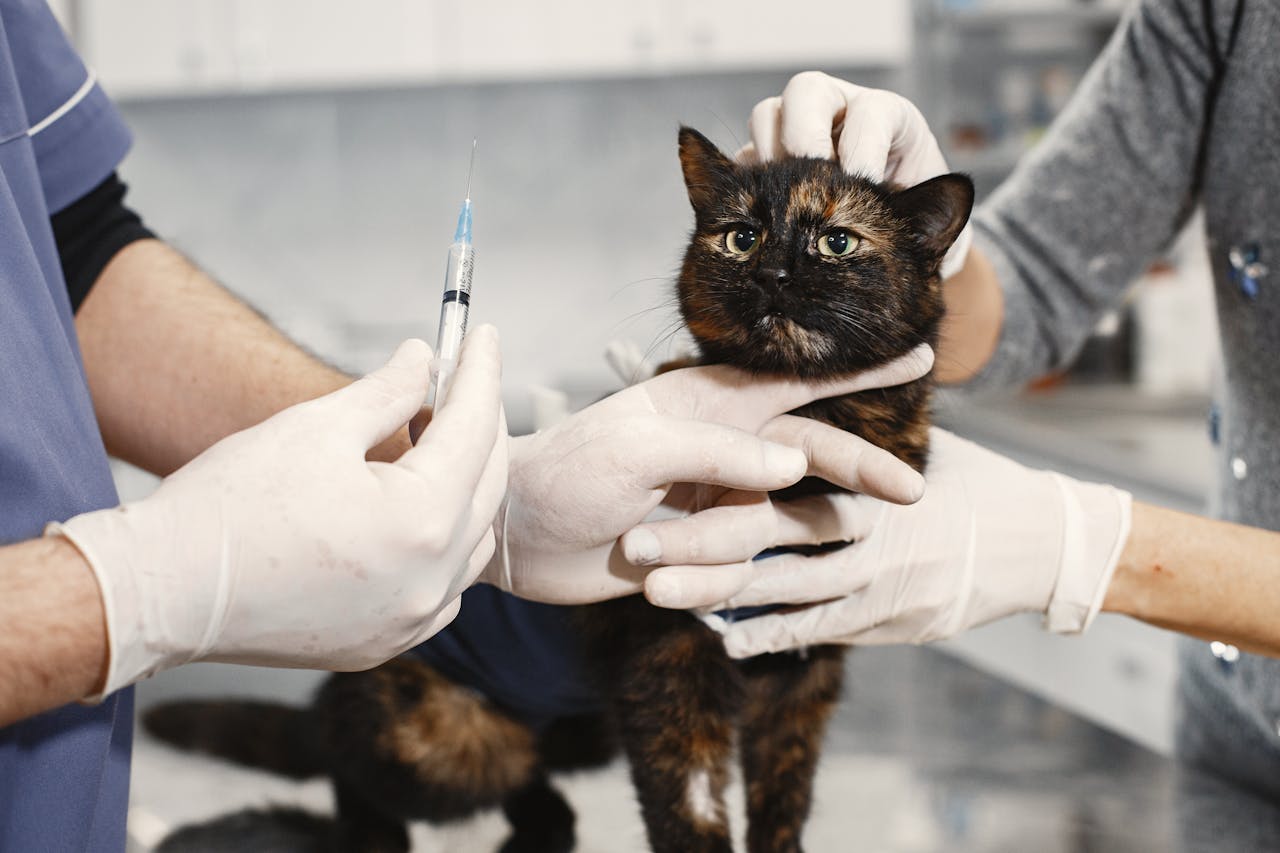
A great many questions, doubts and even myths have grown up around vaccinating our four-legged friends. As owners we want the best for our dogs and cats, so it is only natural that we look for reliable information. Vaccination is one of the most important parts of preventive care, protecting animals from many dangerous and often fatal diseases. Understanding why vaccines matter and how they work will help you make informed decisions about your pets’ health.
Why are vaccinations so important? The diseases they prevent
Vaccines work by “teaching” an animal’s immune system how to deal with particular pathogens before any real infection occurs. They introduce weakened or killed forms of viruses or bacteria into the body, which do not cause disease but do stimulate the production of antibodies. As a result, when the animal meets the real virus, its body is already prepared to fight.
Vaccinations protect against a number of serious diseases:
For dogs:
For cats:
Vaccination schedules: when and how often?
Vaccination schedules are tailored to the animal’s age and lifestyle, as well as to the regulations in force.
Puppies and kittens (primary course): the first vaccinations usually begin at 6-8 weeks of age. A series of 2-3 doses then follows at intervals of 3-4 weeks. This matters greatly, because the immunity acquired from the mother (maternal immunity) fades over time and the young body has to build its own protection. The final dose should be given after 12-16 weeks of age, to be sure that maternal antibodies do not interfere with the response to the vaccine.
Adult dogs and cats (booster vaccinations): once the full primary course is complete, animals need regular boosters. How often depends on the type of vaccine and on the recommendations of the manufacturer and the veterinarian. Most core vaccines are given every 1-3 years, whereas rabies vaccination in dogs is compulsory every year in Poland. For cats that go outdoors or mix with other cats, regular leukaemia boosters are also recommended.
Myths versus facts: clearing up the doubts
Myth 1: vaccines are dangerous and cause all kinds of illness. The truth: vaccines are safe and undergo rigorous testing. Potential side effects are usually mild and short-lived, such as a slight fever, lethargy or soreness at the injection site. Serious allergic reactions are rare, and the benefits of vaccination, namely protection against fatal diseases, far outweigh the risks.
Myth 2: my dog or cat never leaves the house, so it does not need vaccinating. The truth: although the risk is lower, pathogens can be carried into the home on clothing, shoes or by other animals. Viruses such as parvovirus or panleukopenia are extremely hardy and survive a long time in the environment. Vaccination therefore matters even for indoor animals.
Myth 3: after the first vaccination the animal is already protected. The truth: full protection develops only once the entire primary course is finished (usually 2-3 doses) and a few days have passed since the last dose. Until then, avoid contact with unvaccinated animals and places where many animals gather, such as parks or dog exercise areas.
Vaccinations and travel: what you need to know
If you are planning a trip with your pet, vaccinations are absolutely fundamental. Many countries require an up-to-date rabies vaccination as well as a pet passport. Some countries may have additional requirements, such as a rabies antibody titre test or extra vaccinations (against the hydatid tapeworm, for example). Always check the current rules of your destination and of any transit countries well before you travel. A consultation with a veterinarian, who will issue the passport and advise on the required vaccinations and preventive treatments, is essential.