

-
Parasitic diseases in rabbits: the commonest threats and how to prevent them
Coccidiosis, encephalitozoonosis, ear mange and cheyletiellosis are the parasitic diseases pet rabbits meet most often, and they can go unnoticed for a long time. We explain how they are diagnosed in the laboratory, how they are treated, and which hygiene, quarantine and feeding rules keep infection at bay.
-

How to protect your dog’s paws in winter
Frost, ice and road salt leave a dog's pads irritated, cracked and sometimes frostbitten every winter. We explain how to pick a route and a protective wax before the walk, how to rinse and dry the paws properly once you are home, and which signs mean it is time to call the veterinary clinic.
-

Horner’s syndrome in dogs and cats: signs, causes, diagnosis and treatment
A drooping eyelid, a smaller pupil and a visible third eyelid on one side add up to Horner's syndrome. It is not painful in itself and does not harm sight, but it often signals another, more serious condition underneath. We explain the causes, the diagnostic steps, the pharmacological tests and the treatment options.
The Role of Water in a Cat’s Life: How to Keep Your Pet Properly Hydrated
Why proper hydration matters for cats
Proper hydration is essential to a cat’s health and to the way its body works, because water performs a number of vital roles. It is the main component of blood, which carries oxygen and nutrients to the cells and removes carbon dioxide and waste products. Water also regulates the cat’s body temperature through sweating and evaporation, which is particularly important in hot weather. Digestive enzymes need enough water to break food down efficiently in the digestive tract, supporting digestion and the absorption of nutrients. Water is also essential for the kidneys: without adequate hydration they cannot filter toxins and waste from the body effectively, which can lead to serious health problems. Good hydration also supports joint health by keeping the joints properly lubricated, which matters especially in older cats. Maintaining the body’s water balance is therefore the foundation of a cat’s health and well-being, and any disruption to it can have serious consequences.
How much water a cat needs each day
A cat’s daily water requirement depends on many factors, including its weight, age, activity level and diet. As a general rule, a cat should take in 50 to 75 ml of water per kilogram of body weight per day. A 4 kg cat, for example, needs between 200 and 300 ml of water daily. Bear in mind, however, that a cat can get a large part of its daily requirement from food, especially if it eats wet food, which contains around 70-80% water. Cats fed on dry food, which has a moisture content of only around 7-10%, need to drink more from the bowl to make up the difference. It is also worth remembering that cats may drink less when they are in a cool environment or are less physically active.
The consequences of poor hydration in cats
Poor hydration can have serious, even life-threatening consequences for a cat. Dehydration affects the kidneys, impairing their ability to filter toxins and remove waste from the body. This in turn can lead to urinary tract problems such as the formation of crystals and kidney stones, causing pain, infections, and sometimes urine dribbling and life-threatening kidney failure. In addition, insufficient water makes a cat’s metabolism less efficient, which can lead to problems with digestion and the absorption of essential nutrients. Signs of dehydration may include a dry mouth, reduced urine output, loss of skin elasticity, as well as drowsiness and general weakness. In extreme cases, prolonged dehydration can lead to serious complications and even death. That is why it is so important to give your cat constant access to fresh water, keep an eye on how much it drinks and report any worrying symptoms to your veterinarian.
Causes of dehydration in cats
Dehydration in cats can result from a variety of factors, often linked to their eating habits, environment and state of health. Many cats, especially those fed on dry food, do not feel the urge to drink much water, which can lead to a chronic fluid deficit. Cats also tend to avoid food or water that has been standing for a while, an instinct inherited from the wild, where stagnant water may be contaminated. Environmental factors such as ambient temperature and air humidity can also affect a cat’s water needs. Health problems such as kidney disease, diabetes or dental issues may influence a cat’s willingness to drink as well. Finally, stress or changes in the household, such as moving house or a new pet, can make a cat feel uncomfortable, which in turn may reduce how much it drinks.
How to keep your cat properly hydrated
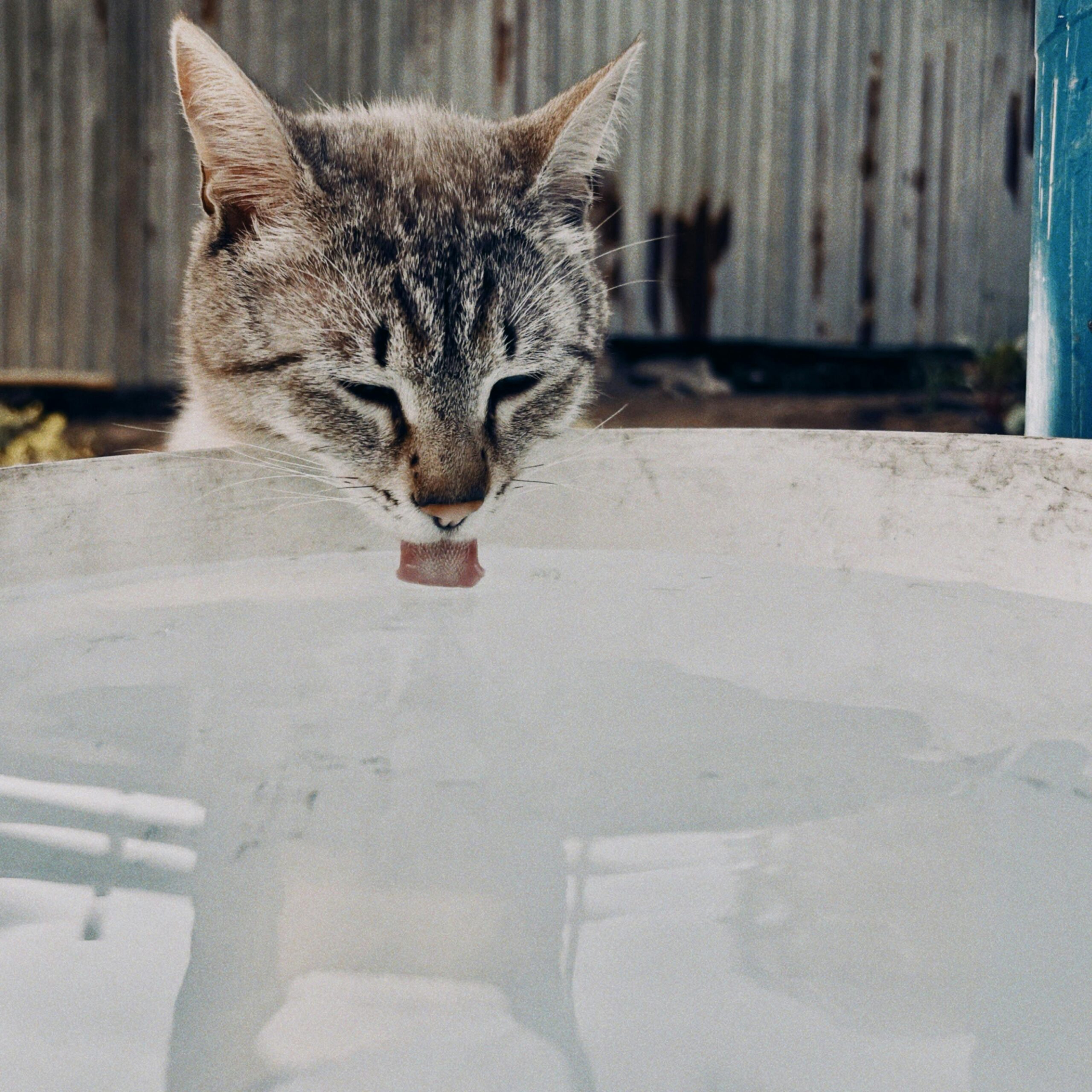
A few simple but effective habits can make a big difference. First of all, always give your cat easy access to fresh, clean water and change it regularly to prevent bacteria and dirt from building up. It is a good idea to place several water bowls around the home, which encourages the cat to drink while playing or relaxing. Many cats prefer moving water, so a cat fountain can be a worthwhile investment: it attracts their attention and increases fluid intake. Diet matters a great deal too; if your cat eats mainly dry food, consider introducing wet food, which contains far more water. You can also add water to dry food to make a paste or moist mixture, making hydration easier. Finally, keep an eye on how much water your cat drinks and how it behaves, so that any hydration problems can be picked up early.