

-

Parasitic diseases in rabbits: the commonest threats and how to prevent them
Coccidiosis, encephalitozoonosis, ear mange and cheyletiellosis are the parasitic diseases pet rabbits meet most often, and they can go unnoticed for a long time. We explain how they are diagnosed in the laboratory, how they are treated, and which hygiene, quarantine and feeding rules keep infection at bay.
-

How to protect your dog’s paws in winter
Frost, ice and road salt leave a dog's pads irritated, cracked and sometimes frostbitten every winter. We explain how to pick a route and a protective wax before the walk, how to rinse and dry the paws properly once you are home, and which signs mean it is time to call the veterinary clinic.
-

Horner’s syndrome in dogs and cats: signs, causes, diagnosis and treatment
A drooping eyelid, a smaller pupil and a visible third eyelid on one side add up to Horner's syndrome. It is not painful in itself and does not harm sight, but it often signals another, more serious condition underneath. We explain the causes, the diagnostic steps, the pharmacological tests and the treatment options.
The Importance of Routine Blood Tests in Preventive Pet Care: How Regular Testing Can Prevent Disease
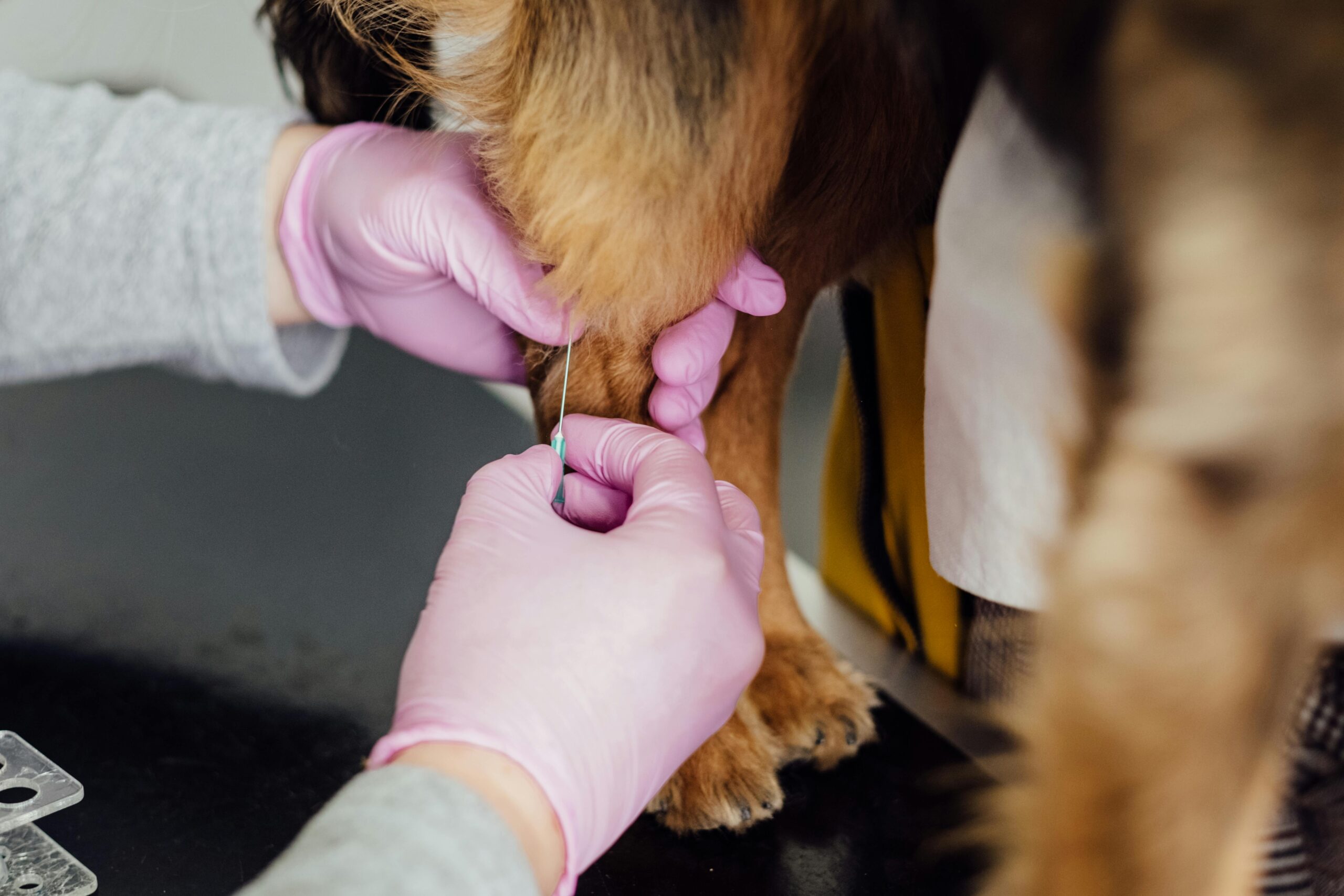
Looking after our pets’ health is a priority for every owner. One of the most important aspects of preventive care is routine blood testing, which allows many diseases to be detected early and prevented. Regular tests not only help keep our pets in good shape but can also significantly extend their lives.
Why is a routine blood test important?
A routine blood test plays a key role in preventive pet care because it makes early detection of many diseases and health problems possible. By analysing blood samples, vets can assess a pet’s overall health, identifying abnormalities in the levels of various blood components such as red and white blood cells, platelets and blood chemistry. The test can detect conditions such as anaemia, infections, liver or kidney dysfunction, as well as metabolic problems such as diabetes and thyroid disease. It is often recommended before planned surgery to assess the animal’s general condition and minimise the risk of complications related to anaesthesia. Regular blood testing is therefore essential to keeping animals healthy, allowing prompt intervention if a serious disease appears.
Preparing your pet for a blood test
To ensure reliable results, it is essential to prepare your pet properly before the sample is taken. A blood test should be carried out on an empty stomach, so avoid giving your pet any food for 9–12 hours before the visit to the vet. Otherwise the results may be distorted and the blood may turn out to be lipaemic, meaning the tests have to be repeated. Beyond dietary preparation, it is also worth keeping stress to a minimum. A short walk before the visit can help burn off excess energy. It is also worth consulting your vet about any medication your pet may be taking before the test, to make sure it will not affect the results. Proper preparation will help produce the most reliable results possible, which in turn means better diagnosis of your pet’s health.
Basic blood tests
A complete blood count is a test that assesses the number and quality of the various blood cells, such as erythrocytes (red blood cells), leukocytes (white blood cells) and platelets. Analysing the blood count can identify problems such as anaemia, infections and inflammation, as well as cancer. For example, a low red cell count may indicate iron deficiency or haemolysis, while a raised white cell count often suggests an ongoing inflammatory process or infection.
Blood biochemistry, on the other hand, gives a broader insight into how the internal organs are working. It examines the function of various organs by analysing liver enzymes such as ALT, AST and ALP, which, when elevated, may suggest liver damage. Kidney health markers are also important, such as urea and creatinine levels, as is glucose, which allows blood sugar to be monitored and is key to diagnosing diabetes. The final element is the electrolytes (sodium, potassium, chloride), whose balance is vital for the body to function properly, along with total protein and albumin, low levels of which may point to problems with the liver, kidneys or intestines.
When is the best time for routine blood tests?
Routine blood tests are best carried out at least once a year, though the frequency should be tailored to the individual animal’s needs. For young, healthy pets, annual tests are often enough to keep track of their health. For older animals, which are more prone to all kinds of disease, more frequent testing is recommended, even every 6 months. In addition, routine blood tests should be considered before planned surgery to assess the pet’s general condition and make sure it is healthy enough to undergo anaesthesia. It is also worth running tests if you notice any worrying signs, such as a change in appetite, weight loss, excessive thirst or changes in behaviour. Regular blood tests allow potential problems to be detected early and appropriate action to be taken, contributing to a longer, healthier life for our four-legged companions.
What does taking blood from an animal involve?
Taking blood from an animal is a procedure that is usually straightforward and does not take long. After the appropriate preparation, the veterinarian assesses the pet’s overall condition and chooses the most suitable site for the needle, most often a vein in the front leg. After disinfecting the site, the vet inserts the needle into the vein and draws the required amount of blood for the sample.
Once the blood has been taken, the puncture site is carefully wrapped in a dressing to minimise the risk of bleeding and infection. Remember to remove this dressing after about 5–10 minutes to check that the site is not bleeding and to let the skin breathe freely. If you notice any signs of bleeding or swelling, contact your vet. The whole process is generally safe, and when carried out correctly by a professional it is comfortable for the animal.
Summary
It is worth remembering that prevention is always better than cure, and a quick response to changes in your pet’s health can lead to a longer and healthier life. Keeping up with routine blood tests not only strengthens the bond between owner and pet but is also an expression of care and responsibility for its wellbeing. We encourage all pet owners to schedule check-ups and have blood tests done regularly so that you can enjoy many more years together.