
-
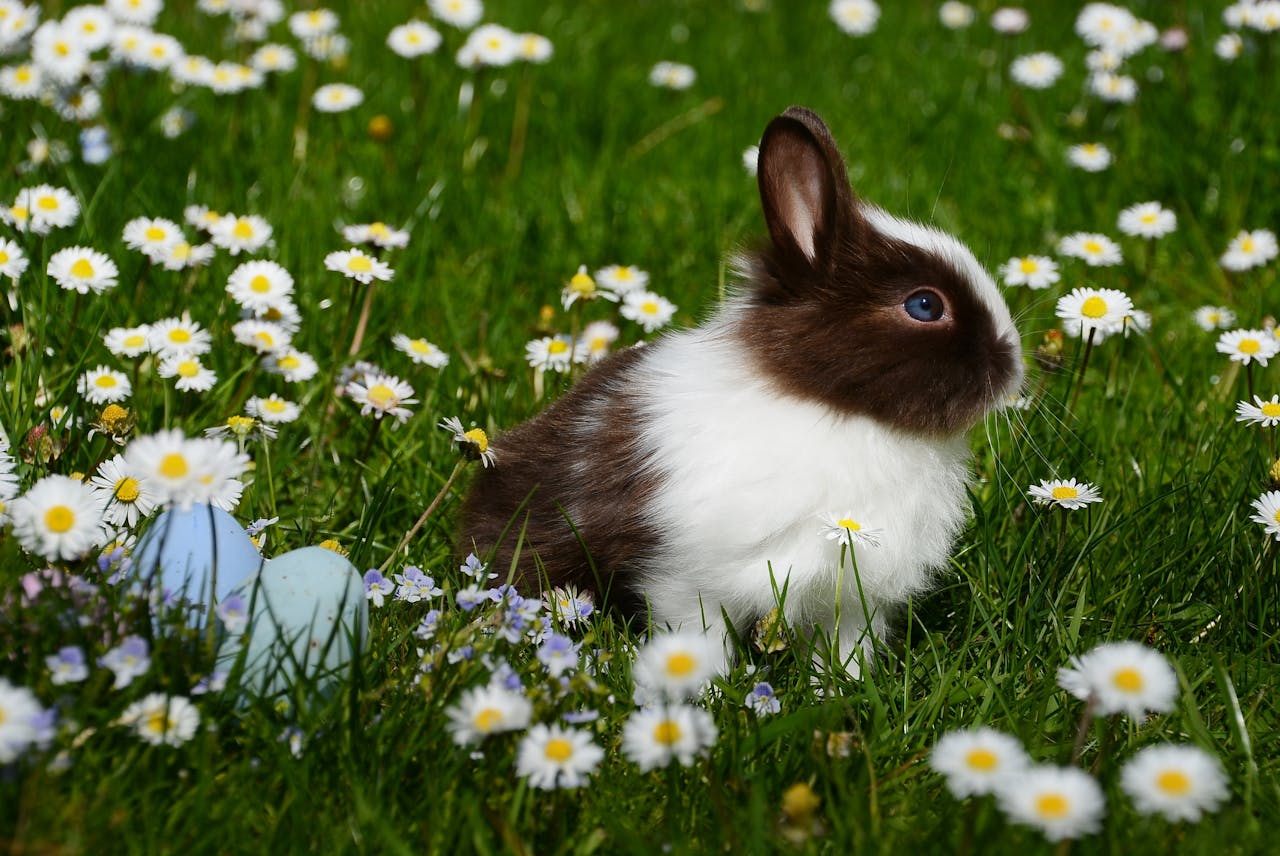
Parasitic diseases in rabbits: the commonest threats and how to prevent them
Coccidiosis, encephalitozoonosis, ear mange and cheyletiellosis are the parasitic diseases pet rabbits meet most often, and they can go unnoticed for a long time. We explain how they are diagnosed in the laboratory, how they are treated, and which hygiene, quarantine and feeding rules keep infection at bay.
-

How to protect your dog’s paws in winter
Frost, ice and road salt leave a dog's pads irritated, cracked and sometimes frostbitten every winter. We explain how to pick a route and a protective wax before the walk, how to rinse and dry the paws properly once you are home, and which signs mean it is time to call the veterinary clinic.
-

Horner’s syndrome in dogs and cats: signs, causes, diagnosis and treatment
A drooping eyelid, a smaller pupil and a visible third eyelid on one side add up to Horner's syndrome. It is not painful in itself and does not harm sight, but it often signals another, more serious condition underneath. We explain the causes, the diagnostic steps, the pharmacological tests and the treatment options.
Slow feeder mats for cats and dogs: the key to healthy eating
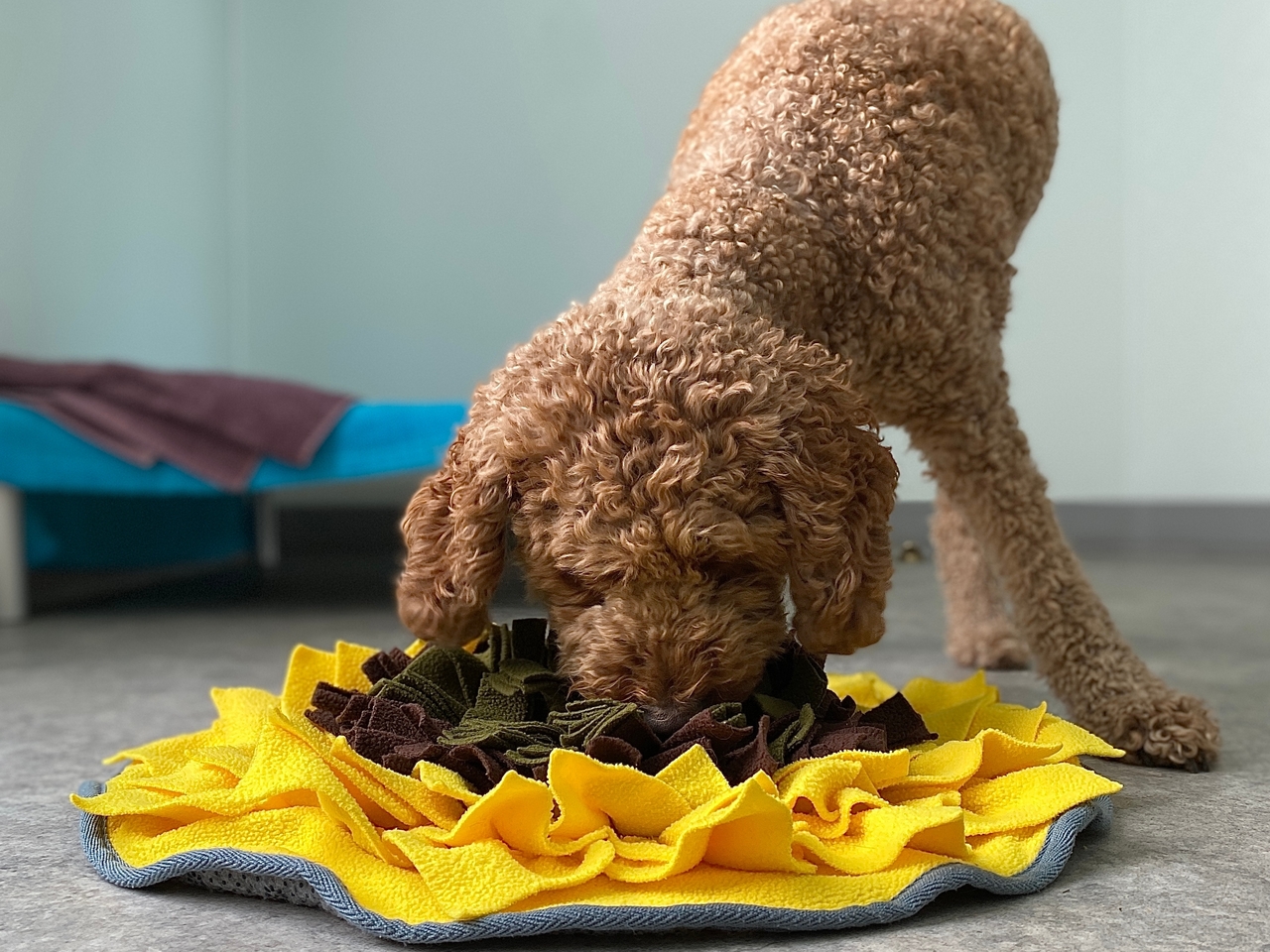
Slow feeder mats are an increasingly popular accessory that can transform the way our animals eat. Used properly, they can improve not only our pets’ quality of life but their health as well.
What is a slow feeder mat for?
A slow feeder mat is a special accessory designed to slow the pace at which our animals eat, with the aim of improving their health and wellbeing. The main purpose of these mats is to make a dog or cat work longer and harder to find its food. Thanks to their varied textures, obstacles, grooves and hollows, the mat means an animal cannot simply bolt its portion but has to put real effort into getting at the food. Slowing mealtimes down brings a whole range of health benefits: it helps prevent digestive problems such as bloating, regurgitation, indigestion and even obesity. Eating too fast often means food is poorly digested, which can lead to discomfort and long-term health problems. Slow feeder mats also stimulate an animal’s natural hunting instincts, engaging it both physically and mentally. By exploring and working at the mat, animals put their natural skills to use, which lowers stress and boredom. As a result, mealtimes become more interesting and more satisfying, which can improve our pets’ mood and mental health. Chewing food more slowly also aids digestion, and with it the absorption of nutrients.
At what age is it safe to introduce a slow feeder mat?
Slow feeder mats can safely be introduced at a young age, once animals are able to eat solid food, which for dogs and cats is usually at around three to four months. At this stage young animals are generally ready to learn new feeding habits and can benefit from the challenge a slow feeder mat presents. It is worth remembering, though, that every dog and cat is different, and their abilities and interest in new accessories will vary. With youngsters it is a good idea to start with simpler mats and gentler obstacles, so as not to put them off. For older animals whose eating habits are already established, introducing a slow feeder mat may take a little more patience and time to adjust, but it is perfectly possible and worthwhile for them too. Whatever the animal’s age, the key is to watch how it responds to this new way of eating and to match the mat to its individual needs and abilities.
How to teach a dog or cat to use a slow feeder mat
Learning to use a slow feeder mat should be a gradual and enjoyable process for animal and owner alike. To begin with, place some favourite treats or a few pieces of the daily ration on the mat to encourage your dog or cat to engage with the new accessory. It is important to give the animal time to explore the mat; a simpler layout at first will avoid discouraging your pet from trying. Once the animal starts using it, praise it or reward it with treats, which will reinforce positive associations with the mat. If you notice your dog beginning to chew or eat the mat itself, step in straight away. In that case, stop using the mat and do not leave it with the animal for long, so that destroying it does not become a habit. You could try other mats with a more hard-wearing structure, or focus on toys that naturally satisfy the urge to chew. The important thing is not to punish the animal but to redirect its attention to other toys or activities, while teaching it that the mat is for eating only, not for playing or chewing.
What can you serve on a slow feeder mat?
A slow feeder mat can hold a wide variety of foods to meet an animal’s nutritional needs and make its meals more engaging. Dry kibble is the most commonly used, as it is easy to scatter across the surface of the mat, forcing the animal to explore actively. Wet food works too: spread it over the mat first, which lengthens mealtimes further, since the animal has to scrape or lick it out. Besides these staples, you can also use fresh vegetables, fruit (pieces of carrot, apple or berries, for example) or treats made specially for dogs and cats. It is important that everything you use suits the individual animal’s nutritional and health needs. Steer clear of forbidden foods such as chocolate, onion and garlic, which can be toxic to our pets.
How to choose the right slow feeder mat
Choosing the right slow feeder mat means considering several key points: size, material and structure. Match the mat to the size of your animal; it should be big enough to allow it to move and eat freely, but also suited to the space at home where it will be used. The material matters too: the best mats are made of durable, easy-to-clean materials such as silicone, rubber or polyester fabrics, which resist damage and staining. It is also worth looking at the texture of the mat, as varied patterns and obstacles stimulate an animal’s natural foraging behaviour, so choose mats with a range of surfaces that invite exploration. Mats with a non-slip base will also stay put in use.