

-
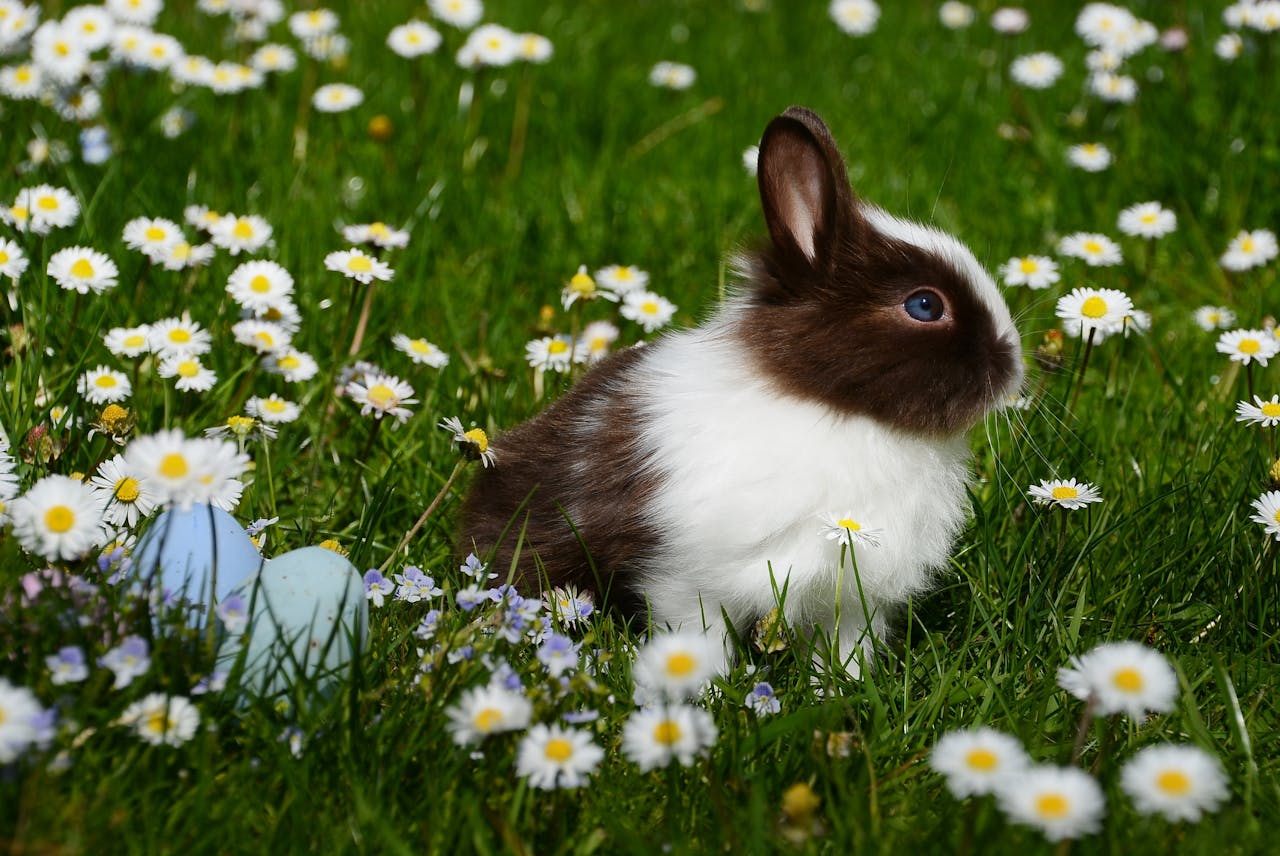
Parasitic diseases in rabbits: the commonest threats and how to prevent them
Coccidiosis, encephalitozoonosis, ear mange and cheyletiellosis are the parasitic diseases pet rabbits meet most often, and they can go unnoticed for a long time. We explain how they are diagnosed in the laboratory, how they are treated, and which hygiene, quarantine and feeding rules keep infection at bay.
-

How to protect your dog’s paws in winter
Frost, ice and road salt leave a dog's pads irritated, cracked and sometimes frostbitten every winter. We explain how to pick a route and a protective wax before the walk, how to rinse and dry the paws properly once you are home, and which signs mean it is time to call the veterinary clinic.
-
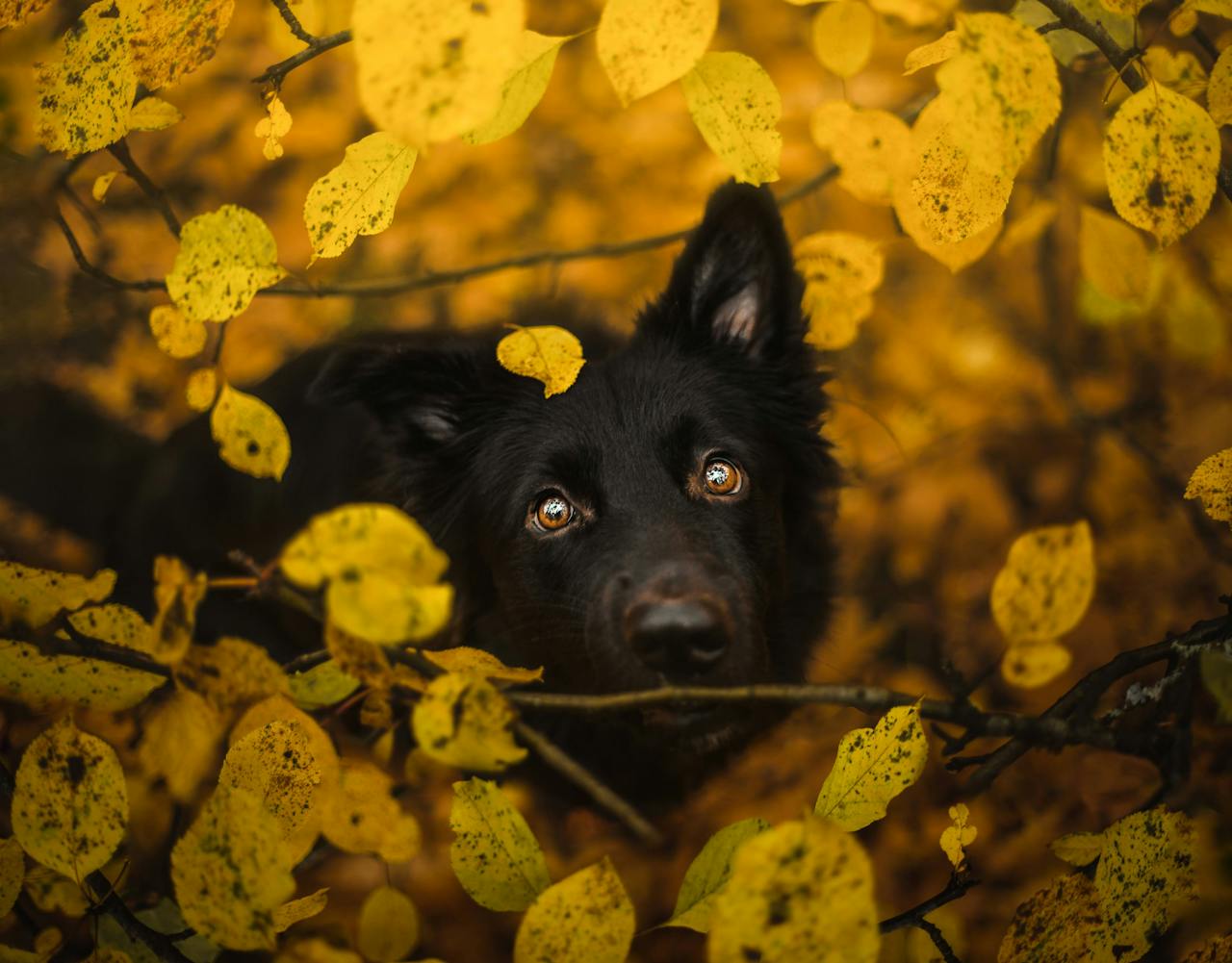
Horner’s syndrome in dogs and cats: signs, causes, diagnosis and treatment
A drooping eyelid, a smaller pupil and a visible third eyelid on one side add up to Horner's syndrome. It is not painful in itself and does not harm sight, but it often signals another, more serious condition underneath. We explain the causes, the diagnostic steps, the pharmacological tests and the treatment options.
Pneumonia in cats: how to recognise and treat it
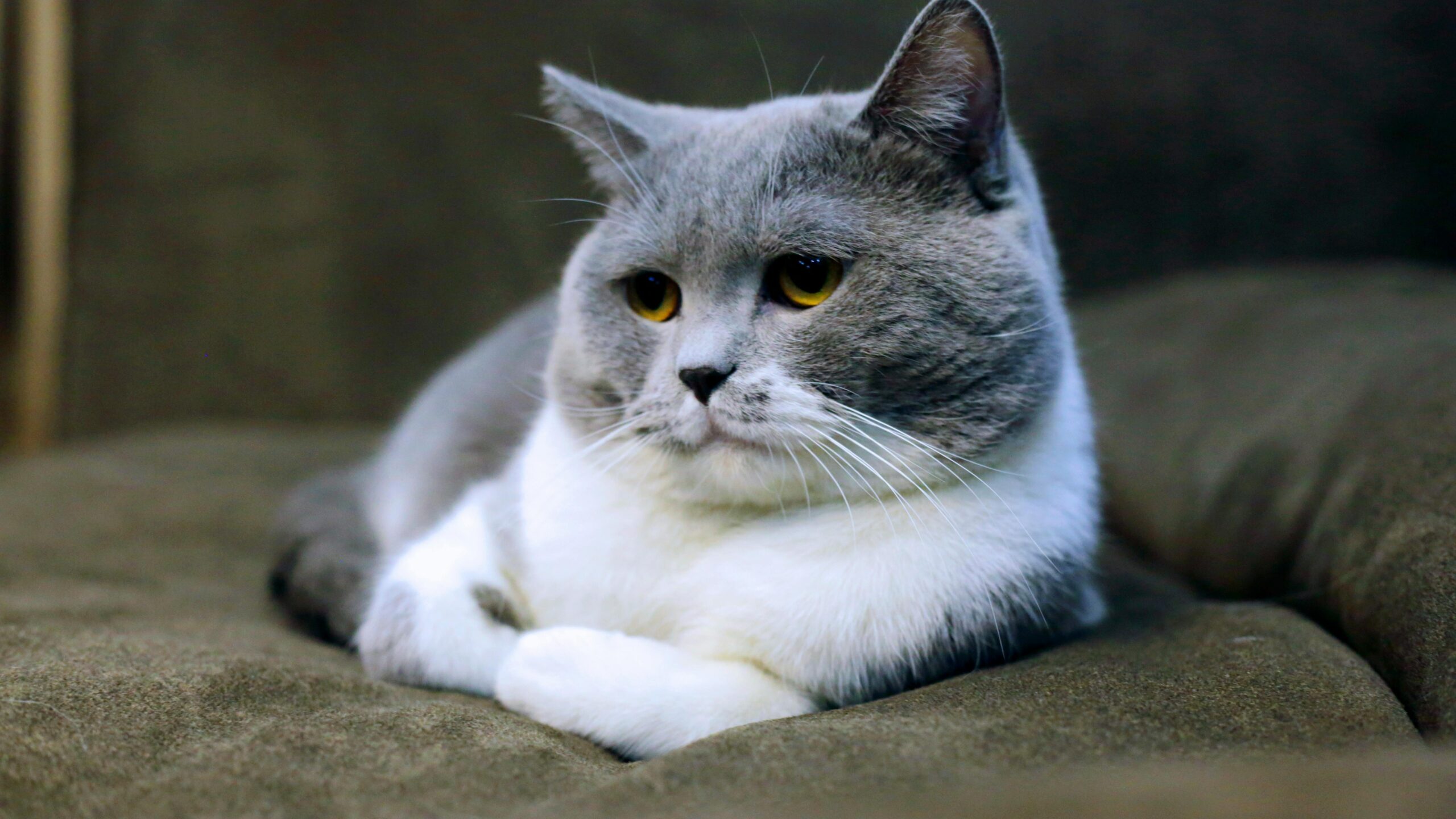
Pneumonia can affect any cat, yet it is often underestimated: the signs vary widely and are easily confused with other respiratory problems. It is a serious illness that calls for prompt diagnosis and effective treatment, otherwise complications can become life-threatening. Cat owners should know the earliest signs of pneumonia and understand how to react when they appear.
What is pneumonia in cats?
Pneumonia is inflammation of the lung tissue that leads to swelling and a build-up of fluid in the alveoli, which makes gas exchange far more difficult. As a result, the lungs are less able to carry oxygen into the blood and remove carbon dioxide, and the body may become starved of oxygen. The usual cause is a bacterial, viral or fungal infection, but the condition can also follow an allergy, the aspiration of a foreign body or the inhalation of irritant substances. Several types of pneumonia occur in cats: bacterial pneumonia, caused by organisms such as Bordetella bronchiseptica or Pasteurella multocida; viral pneumonia, often linked to feline herpesvirus or the panleukopenia virus; and fungal pneumonia, which may be caused by fungi such as Cryptococcus or Histoplasma. Each type has its own causes and signs, which is why early diagnosis and the right treatment matter so much.
Causes of pneumonia
Pneumonia in a cat can develop in a range of situations that affect general health and immunity. When the immune system is weakened, for instance by the stress of a change of surroundings such as a house move or a new set of circumstances, a cat becomes more susceptible to infection. Chronic conditions such as diabetes or cancer further reduce the body’s ability to fight off pathogens. Contact with other animals in places where cats are kept in large groups, such as shelters, can lead to infection with the viruses or bacteria that cause pneumonia.
Accidentally inhaling food, liquid or a foreign body is dangerous too: it irritates the airways and triggers an inflammatory reaction in the lungs. Cats living in poor-quality air, exposed to tobacco smoke or other pollutants, can quickly develop lung irritation, which paves the way for inflammation. Exposure to cold and damp, especially where a cat has nowhere to shelter, weakens the body. It is also worth remembering that older cats, who often carry a range of health problems, as well as overweight cats, tend to have a less efficient immune system, which leaves them more prone to pneumonia.
Signs of pneumonia in cats
The key sign is a cough, which may be dry or productive, along with breathlessness that shows itself as laboured and rapid breathing. Owners may notice that their cat avoids activity, seems weak, and becomes listless and off its food. Behavioural changes may also include seeking out warm places to rest, a sign of discomfort. In more severe cases you may see cyanosis, an abnormal colouring of the mucous membranes caused by a lack of oxygen, as well as unusual discharge from the nose or lungs, which can point to complications. Cats with pneumonia may also run a raised body temperature, a sign of the ongoing inflammatory process. Every one of these signs should be taken seriously: as soon as one appears, owners should consult a veterinarian without delay for an accurate diagnosis and treatment.
Treatment options and keeping your cat comfortable
Care
Alongside medical treatment, cat owners should think about keeping their pet comfortable while it recovers. Creating a calm, quiet setting in which the cat can rest is essential. Make sure the animal has easy access to fresh water and suitable food that will not only supply the nutrients it needs but also tempt its appetite. It is worth considering premium food with a high nutritional value, or a veterinary diet that can support the immune system.
Regular check-ups with the vet to monitor how treatment is progressing are also essential, and it pays to keep a close eye on any changes in your pet’s behaviour. Emotional support and the presence of a familiar person can make a real difference to how a cat feels during a difficult illness. A warm, comfortable and peaceful place to rest, the removal of stressful stimuli and time spent together will all help your cat recover more quickly.
Diet and supplements
Diet and supplements play a key part in supporting cats with pneumonia, above all by helping the immune system. During convalescence it is important that the cat has access to high-quality food rich in protein, vitamins and minerals. Wet food can be particularly helpful, as it is easier to swallow and helps keep the cat hydrated. Supplements such as omega-3 fatty acids can also help reduce inflammation and support lung health. Probiotics are beneficial too, as they maintain a healthy gut flora, which in turn has a positive effect on overall immunity. Supplements containing vitamins C and E and zinc can strengthen the body’s immune response and aid tissue repair. It is worth talking to your veterinarian to work out the best diet and the right supplements for your individual cat, which will help it recover more quickly and feel better overall.
Summary
Pneumonia in cats is a serious condition that calls for a swift response and the right treatment. Owners play a key role: they are the ones who spot the signs and provide support during treatment and recovery. Working with your veterinarian and attending regular check-ups is essential in order to monitor your cat’s health effectively and respond to any changes in good time. Making sure your cat is comfortable, calm and well looked after during illness not only supports treatment but also strengthens the bond between cat and owner. Together we can improve the quality of life of our four-legged companions by caring for their health and wellbeing!