

-
Parasitic diseases in rabbits: the commonest threats and how to prevent them
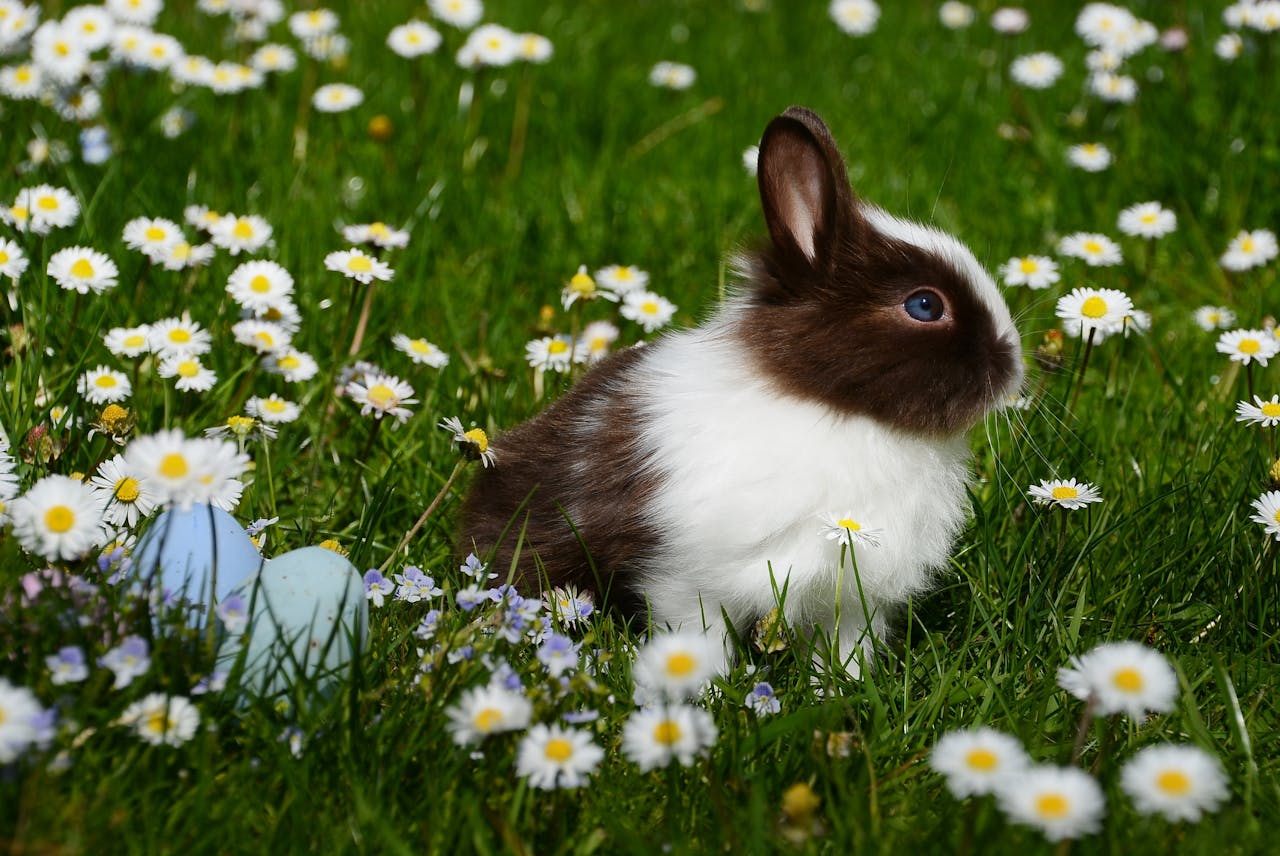
Coccidiosis, encephalitozoonosis, ear mange and cheyletiellosis are the parasitic diseases pet rabbits meet most often, and they can go unnoticed for a long time. We explain how they are diagnosed in the laboratory, how they are treated, and which hygiene, quarantine and feeding rules keep infection at bay.
-
How to protect your dog’s paws in winter
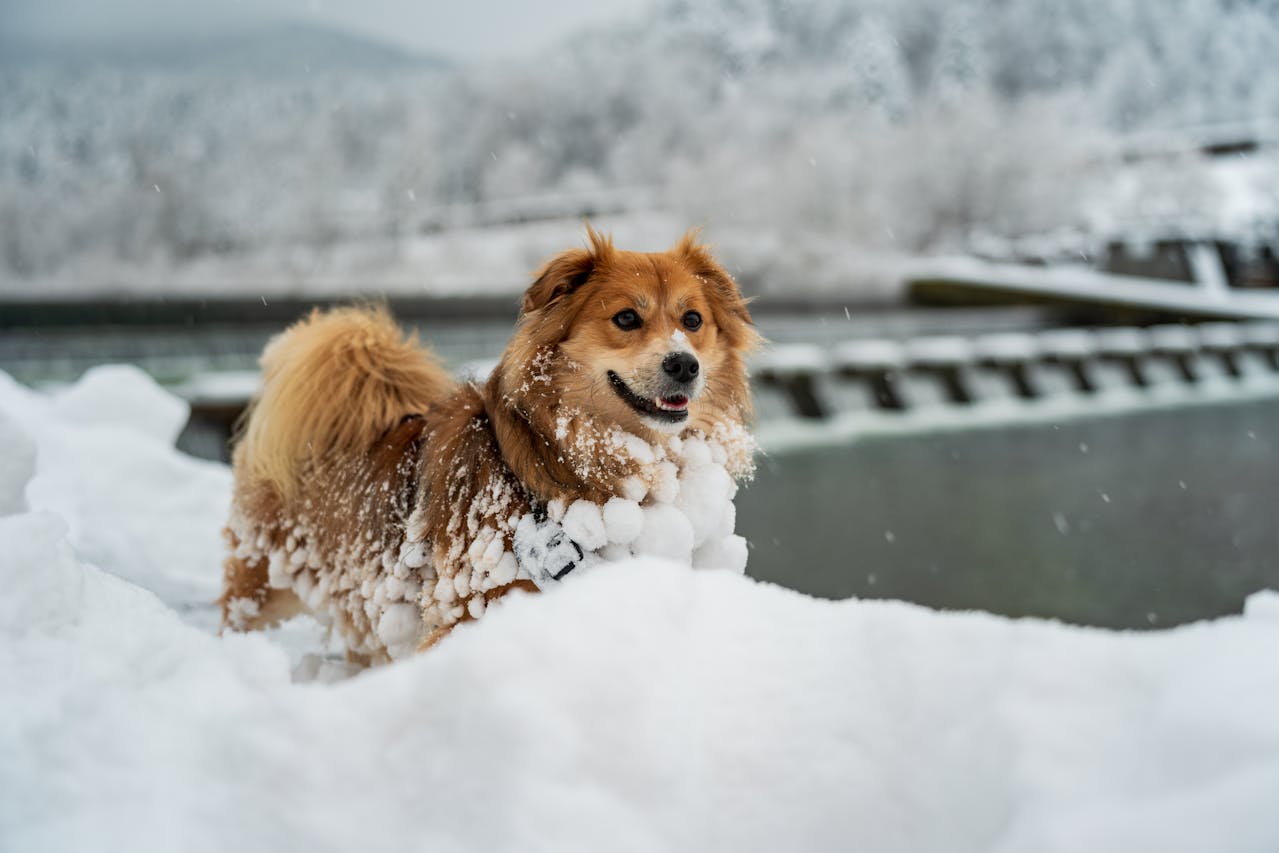
Frost, ice and road salt leave a dog's pads irritated, cracked and sometimes frostbitten every winter. We explain how to pick a route and a protective wax before the walk, how to rinse and dry the paws properly once you are home, and which signs mean it is time to call the veterinary clinic.
-
Horner’s syndrome in dogs and cats: signs, causes, diagnosis and treatment
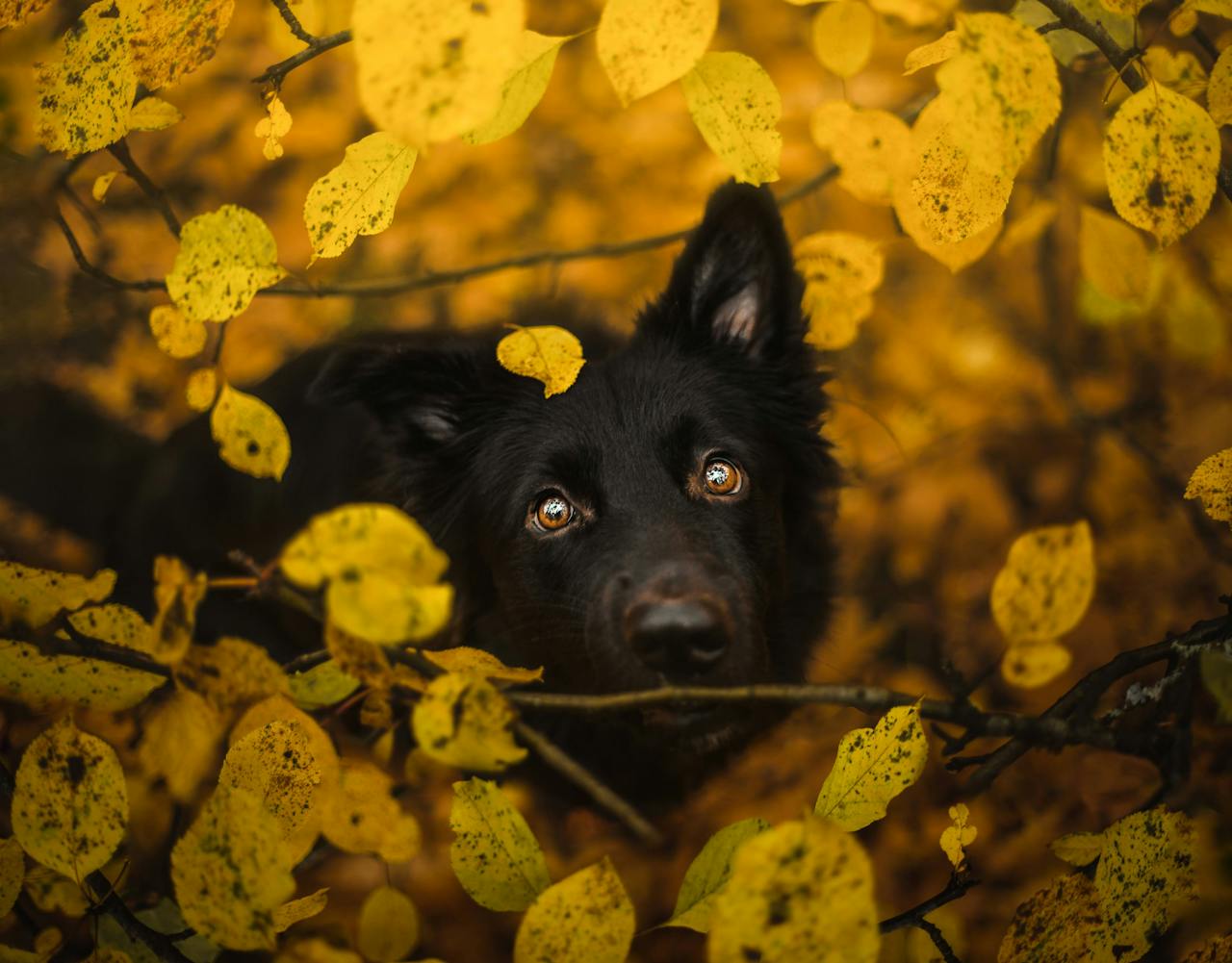
A drooping eyelid, a smaller pupil and a visible third eyelid on one side add up to Horner's syndrome. It is not painful in itself and does not harm sight, but it often signals another, more serious condition underneath. We explain the causes, the diagnostic steps, the pharmacological tests and the treatment options.
Pixie-bob: Wild Looks, Friendly Nature – The Perfect Companion for You!
History and origins of the breed
The Pixie-bob breed emerged in the early 1980s in the United States, in Washington State. Its founder, Susan McMillan, was captivated by a cat that looked remarkably like a wild bobcat. She began experimenting by crossing it with local domestic cats and other breeds, aiming to create a unique breed that would combine a wild look with a gentle temperament.
The Pixie-bob’s connection to wild bobcats goes no further than appearance — the breed retains the friendly nature of a domestic cat. After several years of breeding and selection, the Pixie-bob won recognition for its looks, intelligence and sociability.
In 1994, thanks to the work of McMillan and other breeders, the breed was officially recognised by the Cat Fanciers’ Association (CFA). The Pixie-bob’s popularity grew as more people came to appreciate its unique qualities, leading to the creation of numerous breed clubs and organisations devoted to these cats.
What the Pixie-bob looks like
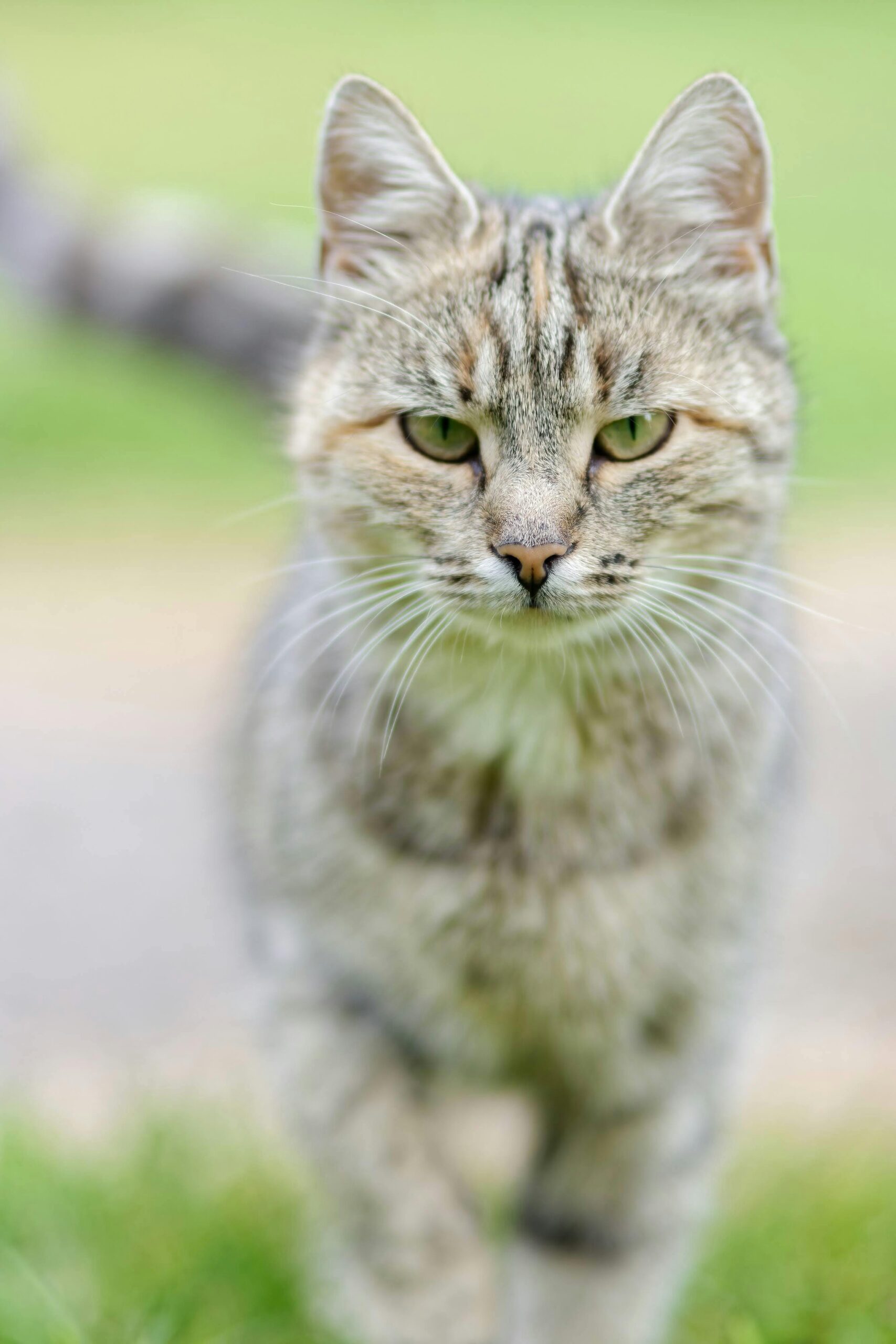
The Pixie-bob is a breed with a striking, wildcat-like appearance. These are medium-sized cats weighing roughly 3.5 to 9 kg, with an average lifespan of 12–15 years. They have a sturdy build, strong muscles and a solid frame. Pixie-bobs have rounded heads with broad cheekbones, large round eyes in various shades of green or gold, and tufted ears that give them their expressive, wild look.
The Pixie-bob’s coat is dense and semi-long, and comes in a range of colours — from tabby and torbie to other colour combinations. The coat pattern varies, with distinctive stripes and spots that lend these cats their unique, wild appearance. Another hallmark of the breed is the short tail, which may be full-length or partially shortened, adding to their charm even further.
The Pixie-bob temperament
Pixie-bobs are known for their friendly, sociable nature, which makes them excellent family companions. These cats are exceptionally intelligent and therefore easy to train. Their natural curiosity and need for play make them very active, and they love interacting with family members and other animals alike. Pixie-bobs get on very well with other cats and with dogs too, which makes them an ideal choice for homes that already have other pets.
Thanks to their patient, gentle character, Pixie-bobs make great companions for children. They are generally tolerant of the playful and sometimes rather chaotic behaviour of the youngest family members, which allows them to form strong bonds with the whole family. Their sociability and enthusiasm for play make them a joyful addition to any home.
Preparing your home for a Pixie-bob
Getting your home ready for a Pixie-bob is a key step in making sure it is comfortable and has the right living conditions. Before the new cat arrives, set up a quiet, safe spot where it can rest and feel at ease. Pixie-bobs are active animals, so make sure there is room to play. Invest in a variety of toys, scratching posts and comfortable climbing spots to stimulate their natural curiosity and energy.
Pixie-bobs have no special dietary requirements, but it is worth choosing a high-quality food to give them the nutrients they need. Make sure you have water and food bowls, and a litter tray in a quiet, accessible spot. It is also important to secure windows and balconies, as these cats are naturally curious and not always careful. And if you have other pets, consider introducing them gradually to create a harmonious, safe atmosphere at home.
Pixie-bob health
Pixie-bobs are generally healthy cats, but like any breed they can be prone to certain health problems. Among the most common conditions that may affect the breed is hypertrophic cardiomyopathy (HCM), which affects the heart and its ability to pump blood. Regular veterinary check-ups are key to catching any problems early. In addition, because of their heavy build, Pixie-bobs may be prone to joint problems such as hip dysplasia; diet and appropriate exercise can help prevent them. It is also important to care for their coat, as it can be prone to skin problems, particularly in semi-longhaired individuals. To give your Pixie-bob a long, healthy life, regular vet visits, appropriate vaccinations, a healthy diet and plenty of exercise are recommended — this helps avoid health problems and supports the overall wellbeing of this charmingly wild cat.
Summary
The Pixie-bob is a cat breed that combines the wild and the domestic. For many cat lovers, its unique appearance and friendly temperament make it the ideal companion. Anyone considering adopting a Pixie-bob should bear in mind its need for exercise and company, so as to give it a happy and healthy life.