

-
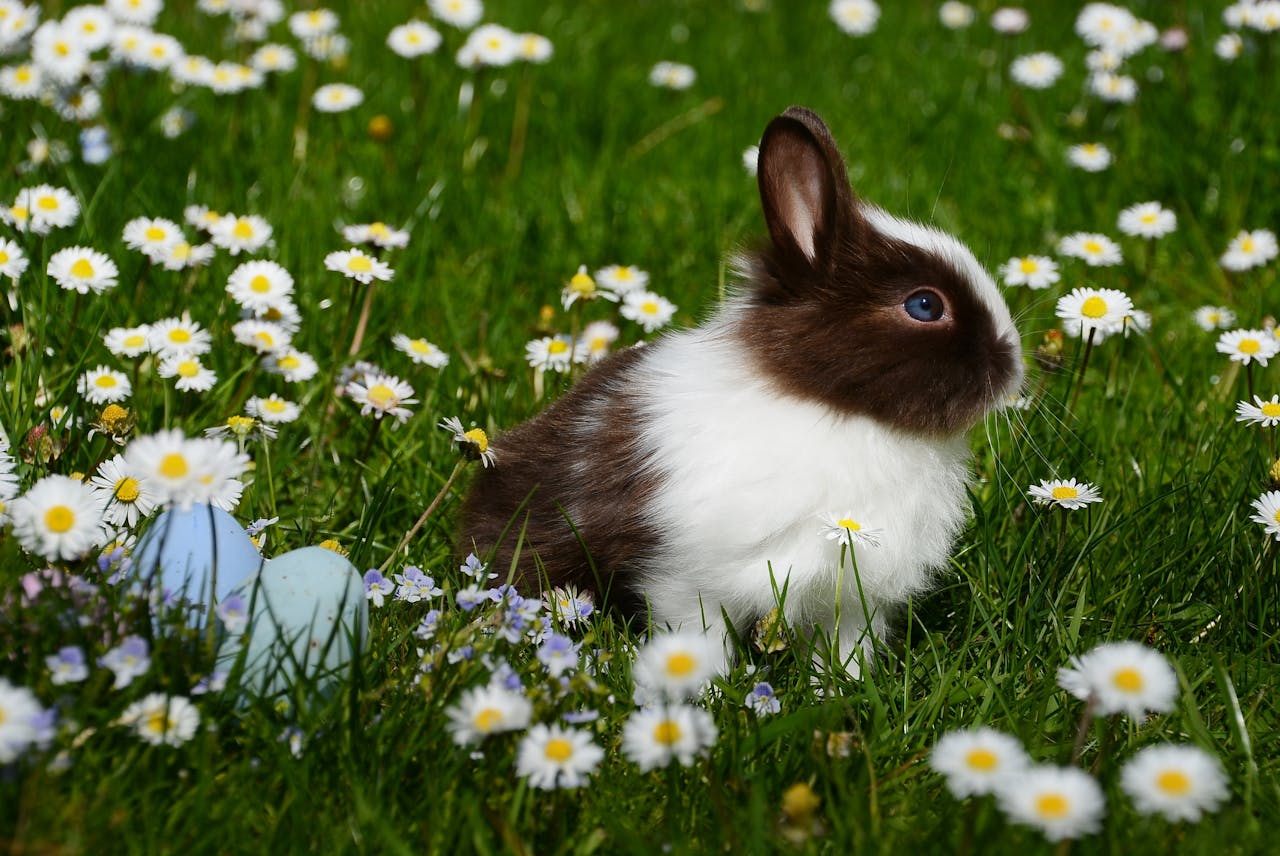
Parasitic diseases in rabbits: the commonest threats and how to prevent them
Coccidiosis, encephalitozoonosis, ear mange and cheyletiellosis are the parasitic diseases pet rabbits meet most often, and they can go unnoticed for a long time. We explain how they are diagnosed in the laboratory, how they are treated, and which hygiene, quarantine and feeding rules keep infection at bay.
-

How to protect your dog’s paws in winter
Frost, ice and road salt leave a dog's pads irritated, cracked and sometimes frostbitten every winter. We explain how to pick a route and a protective wax before the walk, how to rinse and dry the paws properly once you are home, and which signs mean it is time to call the veterinary clinic.
-
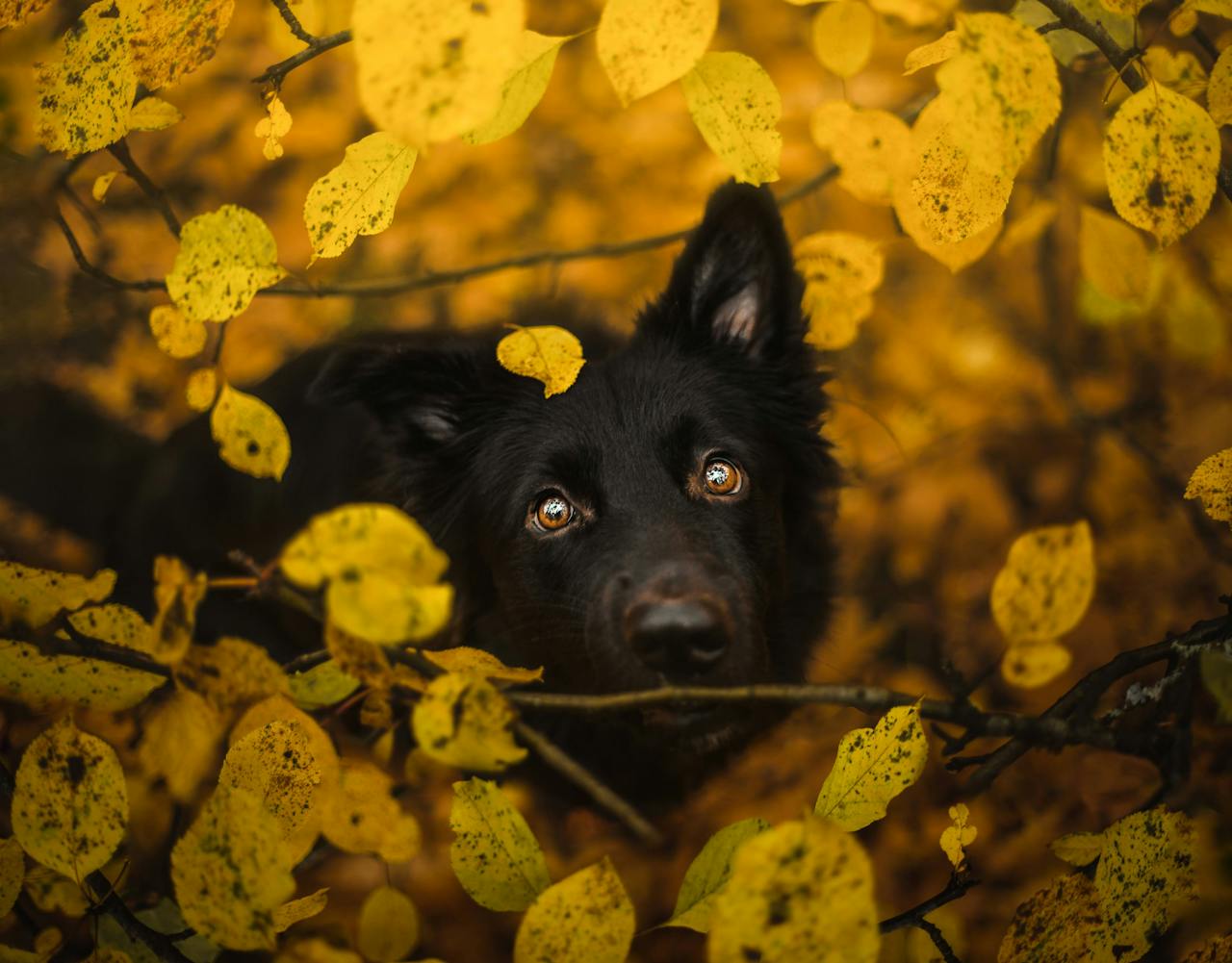
Horner’s syndrome in dogs and cats: signs, causes, diagnosis and treatment
A drooping eyelid, a smaller pupil and a visible third eyelid on one side add up to Horner's syndrome. It is not painful in itself and does not harm sight, but it often signals another, more serious condition underneath. We explain the causes, the diagnostic steps, the pharmacological tests and the treatment options.
Obesity in dogs: causes, consequences and prevention
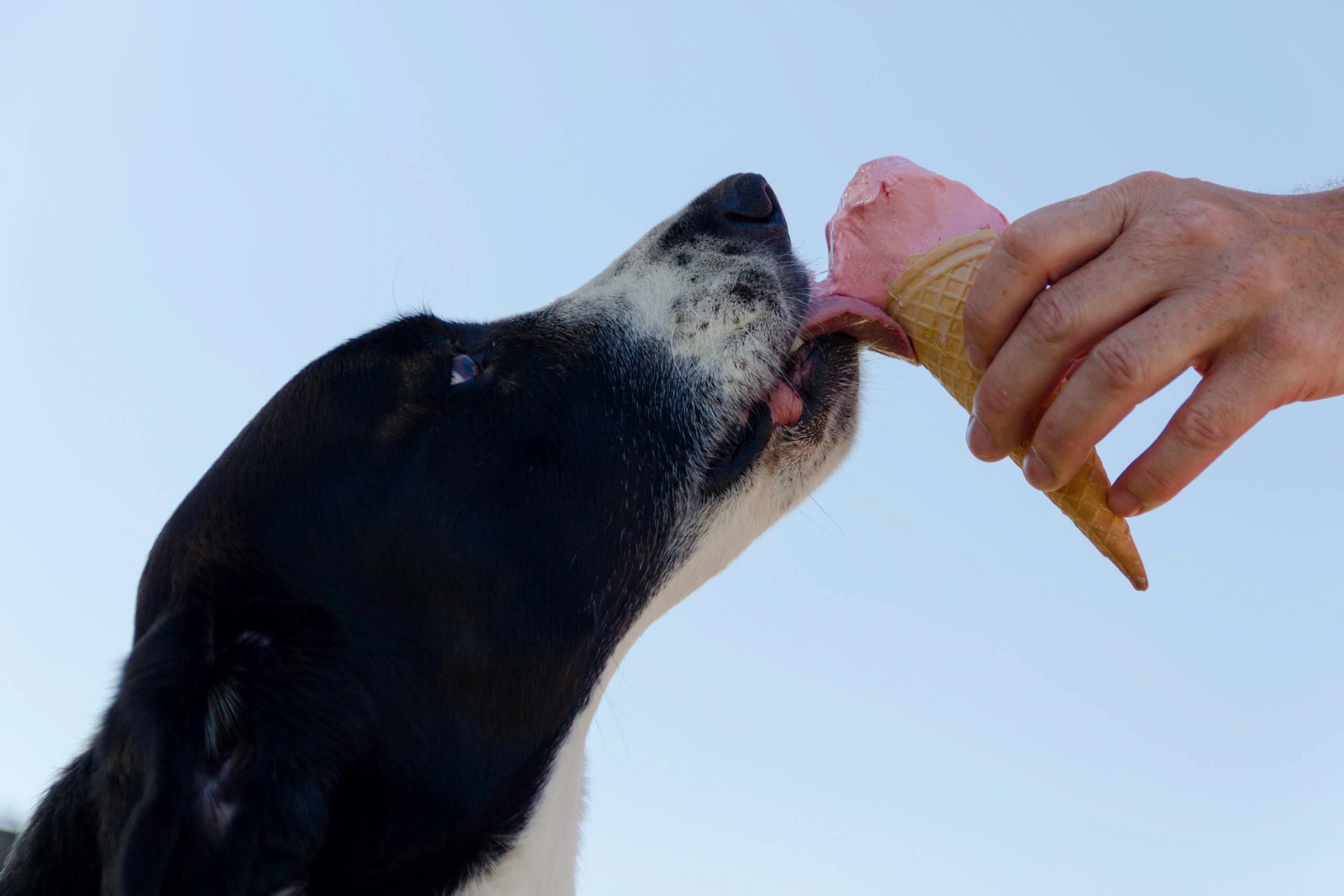
Obesity is one of the most serious health problems facing pets today. Studies suggest that as many as 30-60% of dogs and cats are overweight or obese. Understanding what causes obesity, what it leads to and how to prevent it is key to giving our four-legged companions a long and healthy life
Causes of obesity in dogs
Obesity in dogs is a complex health problem that usually stems from a combination of factors. The most important of these is an unbalanced diet — many dogs eat too much calorie-dense food or too many treats that do not match their energy requirements. Owners often give their pets leftovers from the table or high-calorie snacks, without realising that these extra calories can lead to weight gain. A lack of physical activity is another significant problem; many dogs lead a sedentary life, particularly in cities, where opportunities for long walks are limited and access to space for play is restricted.
The most common feeding mistakes include:
In addition, some breeds are genetically predisposed to obesity, meaning they gain weight more easily than others. Breeds such as the beagle, cocker spaniel, labrador retriever, English bulldog and boxer are especially prone to it. Their natural tendency to put on weight calls for particular attention from owners when it comes to diet and activity levels. Health conditions such as thyroid disease or insulin resistance can also affect a dog’s weight, which is why regular health checks with a veterinarian matter. Finally, owners’ emotional habits, such as rewarding a pet with food in response to stress, can contribute to weight gain, making education about healthy eating habits and exercise a key element in preventing obesity in dogs.
How to tell whether your dog is obese
First of all, pay attention to weight and to the body mass index (BMI). Weighing your dog regularly is recommended so that you can track any fluctuations in body mass. A dog is considered obese when its weight exceeds the range recommended for its breed. Another important factor is assessing body shape. At a healthy weight, a dog’s waist should be narrower than its chest, and the ribs should be easy to feel under gentle pressure. If the waist is no longer visible or the ribs are hard to find, this may indicate that the dog is overweight or obese. Reduced physical activity can be another sign of excess weight — if a dog tires quickly on walks or shows less interest in play, its weight may already be affecting its fitness. It is also worth watching for problems with movement, such as difficulty getting up, running or jumping, which can be the result of strain on the joints.
How to prevent obesity in dogs
A balanced diet
The first step in preventing obesity is choosing the right food. It is important that the food suits the dog’s age, breed, size and activity level. For puppies and young dogs, foods rich in protein and nutrients that support growth are recommended, while older dogs may need food with a lower calorie content. It is also worth paying attention to:
Physical activity:
Alongside diet, regular exercise is enormously important in preventing obesity in dogs. Dogs should get their daily dose of movement, the amount depending on their age, breed and condition. Daily walks are the basic form of exercise — they should be long and varied, combining brisk walking with time for play, and the target of at least 30-60 minutes of walking a day should be adapted to each dog’s individual needs. Besides walks, games in the garden or the park, such as throwing a ball or a frisbee or using interactive toys, encourage a dog to burn energy. Teaching a dog new commands or tricks is another excellent way of increasing activity, as this kind of training engages both mind and body. Many places also offer group classes for dogs, such as agility, flyball or obedience training, which not only support physical health but also encourage socialisation and interaction with other dogs and their owners.
Summary
Obesity in dogs is a serious health problem that can lead to numerous complications and shorten a dog’s life. Every owner should understand what causes excess weight and what it can lead to. A balanced diet, regular veterinary check-ups and exercise tailored to the pet’s needs make it possible to prevent obesity effectively and support a dog’s health. Getting feeding and exercise right affects not only weight but also wellbeing and the bond between a dog and its owner. A long-term commitment to your pet’s health pays off in a healthier, more active and happier companion.