

-

Parasitic diseases in rabbits: the commonest threats and how to prevent them
Coccidiosis, encephalitozoonosis, ear mange and cheyletiellosis are the parasitic diseases pet rabbits meet most often, and they can go unnoticed for a long time. We explain how they are diagnosed in the laboratory, how they are treated, and which hygiene, quarantine and feeding rules keep infection at bay.
-

How to protect your dog’s paws in winter
Frost, ice and road salt leave a dog's pads irritated, cracked and sometimes frostbitten every winter. We explain how to pick a route and a protective wax before the walk, how to rinse and dry the paws properly once you are home, and which signs mean it is time to call the veterinary clinic.
-

Horner’s syndrome in dogs and cats: signs, causes, diagnosis and treatment
A drooping eyelid, a smaller pupil and a visible third eyelid on one side add up to Horner's syndrome. It is not painful in itself and does not harm sight, but it often signals another, more serious condition underneath. We explain the causes, the diagnostic steps, the pharmacological tests and the treatment options.
Mange in dogs and cats: what to know, how to treat it and whether you can catch it
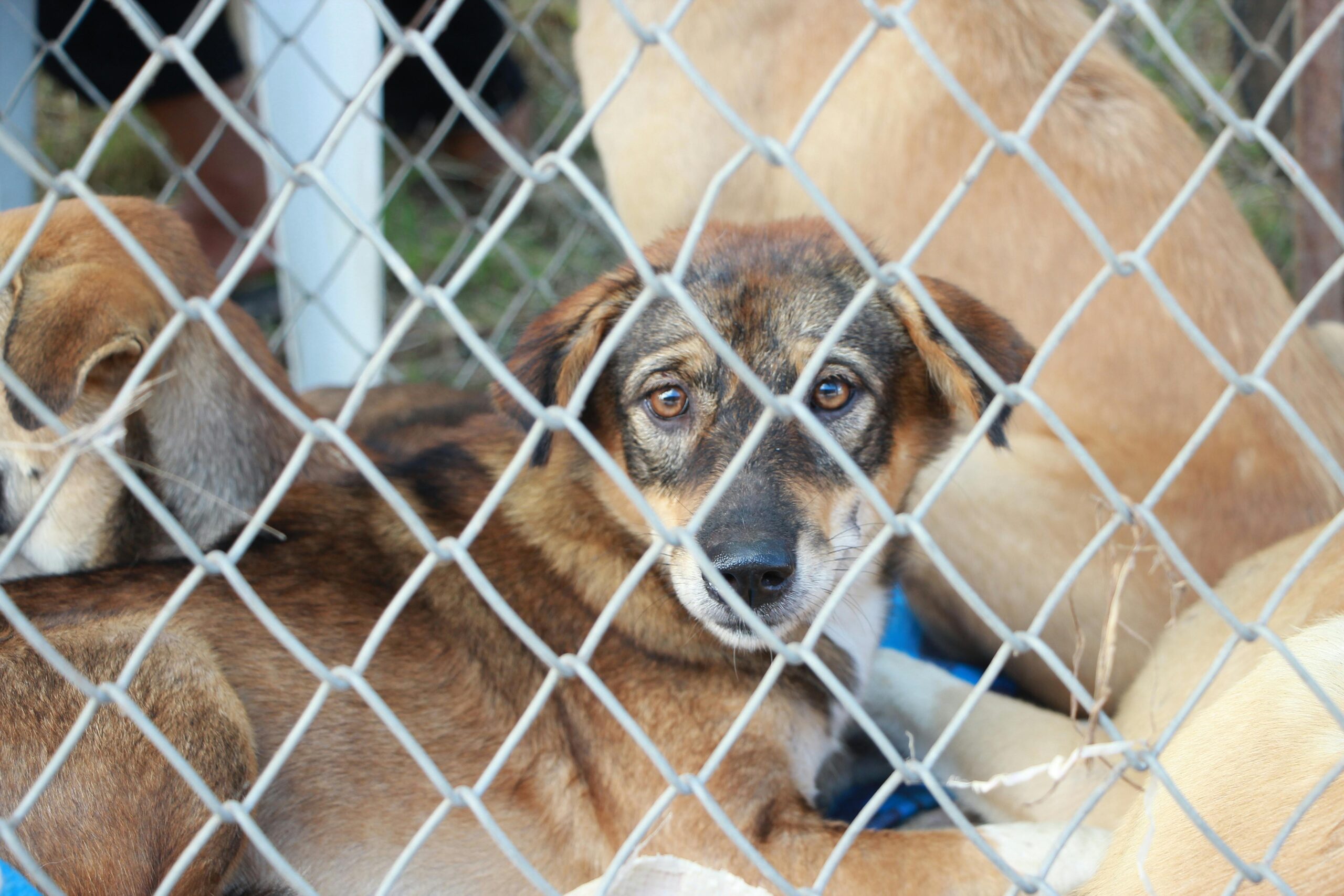
Mange is one of the most common skin diseases in pets and is caused by parasitic mites. It affects both dogs and cats, causing not only discomfort but also serious health problems if left untreated. In this article we take a closer look at the condition, its signs, how it is treated and the risk of infection in people.
What is mange in dogs and cats?
Mange, also known as sarcoptic mange, is a skin condition caused by parasitic mites of the genus Sarcoptes scabiei. These microscopic organisms live in the upper layer of an animal’s skin, from where they burrow into the deeper layers, irritating the tissue and causing inflammation. Mange can affect both dogs and cats, and it goes hand in hand with intense itching that leaves animals thoroughly uncomfortable.
These mites are extremely contagious and are most often passed on through direct contact with an infected animal. Brief contact is enough for adult mites to move on to a new host. The parasites can also survive off the host for a while on contaminated items such as beds, toys and other cat and dog accessories. Infection most commonly occurs in kennels and animal shelters, and among animals living rough with limited access to veterinary care.
Signs of mange
Mange shows itself through a range of signs, which vary depending on the species and on how far the disease has progressed. The most common are:
How does infection happen?
Dogs and cats pick up mange easily and quickly, which is what makes the disease so contagious. Infection occurs mainly through direct contact with an infected animal. The Sarcoptes scabiei mites responsible for mange are passed on through touch, when a healthy animal comes into contact with a sick one – while playing, lying together or even simply rubbing against one another. It is worth stressing that the mites can survive on surfaces for a short time, which means infection can also occur through contact with contaminated items such as beds, blankets, bowls, toys or grooming equipment. Caring for animals in shelters, breeding kennels or boarding facilities also raises the risk of mange spreading, as animals in these places are often kept close together and have limited access to veterinary care.
Can you catch it?
Mange is essentially not transmissible to people. In rare cases, however, some parasites can cause skin reactions in humans, particularly after contact with an infected animal. Such cases are occasional, and people are more susceptible to other parasites, such as fleas or lice.
Do bear in mind that if you notice signs of mange in your pet, you should consult a veterinarian straight away so that treatment can begin.
Treating mange in dogs and cats
Treating mange in dogs and cats is a process that should be carried out under the close supervision of a veterinarian. The key element of therapy is antiparasitic medication, which eliminates the mites effectively. The veterinarian may recommend various forms of treatment, including oral medicines, injections or spot-on drops applied topically to the animal’s skin. It is important that the treatment plan is properly matched to the individual pet’s needs and to how far the disease has progressed.
In addition, to relieve signs such as itching and skin irritation, the veterinarian may recommend special medicated shampoos and ointments that help cleanse the skin and speed up healing. If secondary infections develop, typically concentrated in wounds caused by scratching, antibiotics may be necessary.
Another important aspect of treatment is hygiene in the animal’s environment. Owners should regularly wash bedding, toys and any other items the affected pet has been in contact with, in order to minimise the risk of reinfection.
Summary
Mange in dogs and cats is a significant health problem that calls for both accurate diagnosis and effective treatment. Pet owners should be aware of the potential risks this disease carries and of how important it is to act quickly when signs appear. Knowing what mange is, what causes it and how it is treated and prevented is key to protecting pets’ health and preventing infection in the animals around them. Regular veterinary visits and good hygiene go a long way towards keeping animals in good health and minimising the risk of skin disease.