

-
Parasitic diseases in rabbits: the commonest threats and how to prevent them
Coccidiosis, encephalitozoonosis, ear mange and cheyletiellosis are the parasitic diseases pet rabbits meet most often, and they can go unnoticed for a long time. We explain how they are diagnosed in the laboratory, how they are treated, and which hygiene, quarantine and feeding rules keep infection at bay.
-
How to protect your dog’s paws in winter
Frost, ice and road salt leave a dog's pads irritated, cracked and sometimes frostbitten every winter. We explain how to pick a route and a protective wax before the walk, how to rinse and dry the paws properly once you are home, and which signs mean it is time to call the veterinary clinic.
-
Horner’s syndrome in dogs and cats: signs, causes, diagnosis and treatment
A drooping eyelid, a smaller pupil and a visible third eyelid on one side add up to Horner's syndrome. It is not painful in itself and does not harm sight, but it often signals another, more serious condition underneath. We explain the causes, the diagnostic steps, the pharmacological tests and the treatment options.
Malassezia dermatitis in dogs – symptoms, types, diagnosis and treatment
What is Malassezia dermatitis in dogs?
Malassezia dermatitis in a dog is an infection caused by the overgrowth of yeasts on the animal’s skin, most often the yeast Malassezia pachydermatis. These yeasts are normal residents of healthy canine skin and usually cause no trouble at all. They only become a problem when the skin’s microbial balance is disturbed, allowing them to multiply unchecked.Infections of this kind can lead to skin inflammation, causing intense itching, painful skin lesions and a characteristic unpleasant, yeasty smell.
Where does Malassezia dermatitis most often appear in dogs?
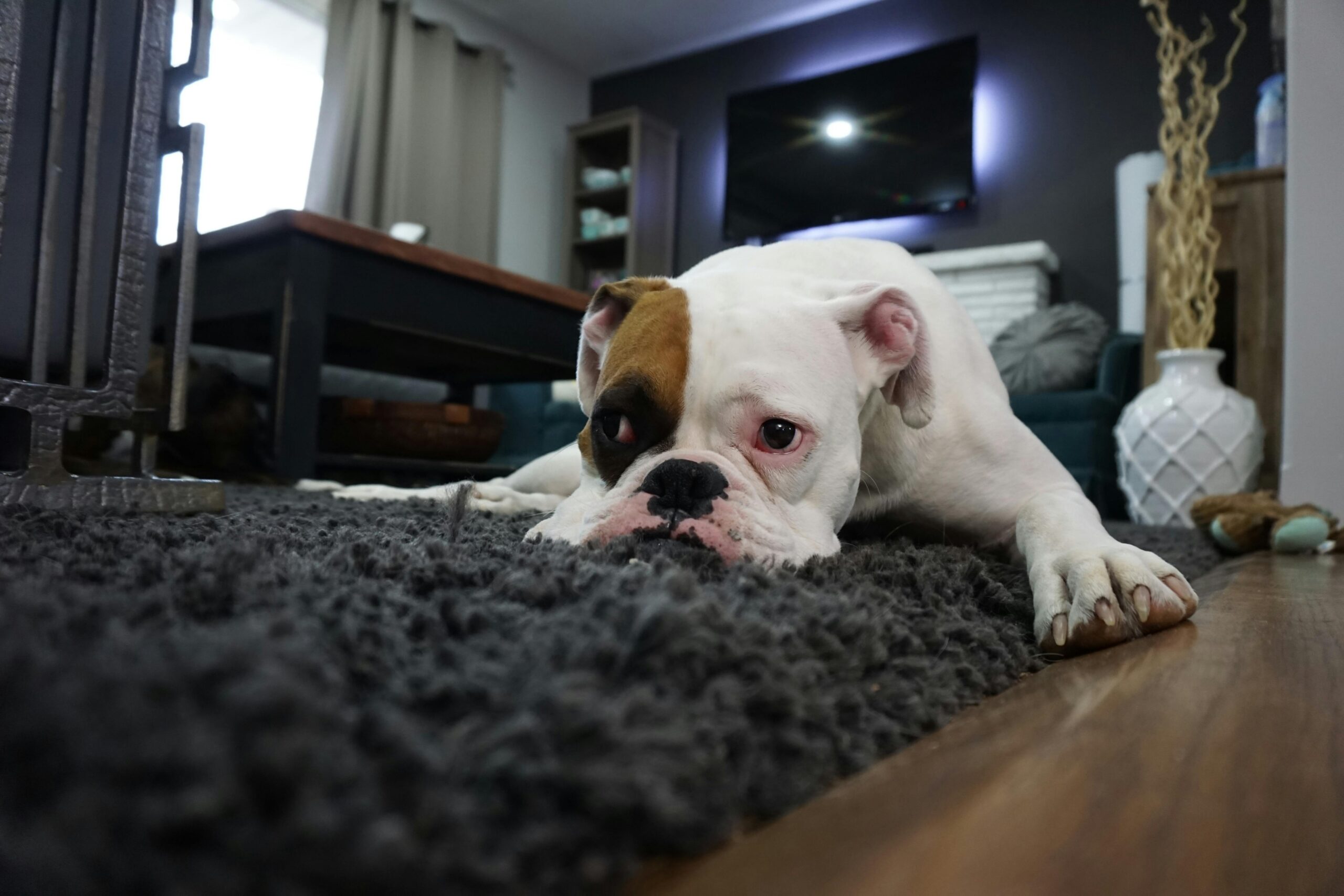
Malassezia dermatitis can develop on various parts of a dog’s body, and where it settles usually depends on which areas offer the yeasts the conditions they like. The ears are one of the most common sites. Dogs with drop ears, which trap moisture and warmth, are especially prone to it. In the ears the infection shows up as inflammation, severe itching and often a discharge with a distinctive smell. The next high-risk area is the skin folds, particularly in breeds with loose skin such as bulldogs or shar peis. Moisture and skin-on-skin contact encourage the yeasts to thrive, leading to redness, irritation and an unpleasant smell within the folds.
Other areas that may be affected include the groin, the belly and the armpits, where moisture also tends to collect. Malassezia dermatitis can appear on the paws too, especially between the toes, where the skin is more delicate and prone to abrasions. Finally, the infection may show up on the body as focal skin lesions – reddened patches, papules or flaking areas that can be itchy and sore.
What causes Malassezia dermatitis?
The reasons behind this uncontrolled yeast growth vary and may involve a number of factors. One of the main ones is a weakened immune system, which can result from chronic conditions such as diabetes, liver disease or kidney failure. On top of that, food allergies or allergies to environmental triggers (pollen or dust mites, for instance) can cause skin inflammation, which in turn favours yeast overgrowth.
Other factors include excessive moisture and warmth, which raise the risk of infection, particularly in long-coated dogs or those with drop ears where moisture builds up. Certain medicines, especially long-term use of antibiotics and corticosteroids, can also upset the balance of the skin’s microflora and open the door to Malassezia. An unsuitable diet lacking in nutrients may likewise weaken a dog’s immunity and make skin problems more likely.
What are the symptoms of Malassezia dermatitis?
The symptoms of Malassezia dermatitis in dogs vary and depend on where the infection is located.
How is it diagnosed?
Diagnosing Malassezia dermatitis in dogs calls for a careful, detailed clinical examination along with a range of tests. The veterinarian starts by reviewing the dog’s medical history and the signs that point to an infection. A physical examination follows, focusing on the affected areas of skin and on the ears. To confirm that yeasts are present, a skin scraping or a sample of ear discharge is usually taken for microscopic analysis. In some cases, to rule out other skin conditions, allergy testing or further laboratory work may be ordered.
What might treatment involve?
Treatment usually combines medication with changes to the dog’s grooming and care routine. The standard approach involves topical antifungal shampoos or rinses that reduce the number of yeasts on the skin and in the ears. In more severe infections the veterinarian may prescribe oral antifungal medication. Supportive therapy matters just as much: removing the factors that encouraged the infection in the first place, such as switching to a more suitable diet, treating allergies, and keeping moisture-prone areas clean and dry. The aim is not only to clear the yeasts but also to restore the balance of the skin’s microflora and prevent the problem from coming back. Regular check-ups with the veterinarian are essential for monitoring progress and keeping an eye on the dog’s overall health.
Treatment is chosen by the veterinarian according to each patient’s condition and needs. If you notice worrying signs in your dog, get in touch with a veterinary clinic.
Summary
Malassezia dermatitis in dogs can be a nuisance, but with the right approach it is a condition that can be kept under control and treated effectively. Regular veterinary check-ups, watching for symptoms and acting early on any warning signs can make a real difference to a dog’s comfort and prevent long-term complications.