

-

Parasitic diseases in rabbits: the commonest threats and how to prevent them
Coccidiosis, encephalitozoonosis, ear mange and cheyletiellosis are the parasitic diseases pet rabbits meet most often, and they can go unnoticed for a long time. We explain how they are diagnosed in the laboratory, how they are treated, and which hygiene, quarantine and feeding rules keep infection at bay.
-
Horner’s syndrome in dogs and cats: signs, causes, diagnosis and treatment
A drooping eyelid, a smaller pupil and a visible third eyelid on one side add up to Horner's syndrome. It is not painful in itself and does not harm sight, but it often signals another, more serious condition underneath. We explain the causes, the diagnostic steps, the pharmacological tests and the treatment options.
How to protect your dog’s paws in winter
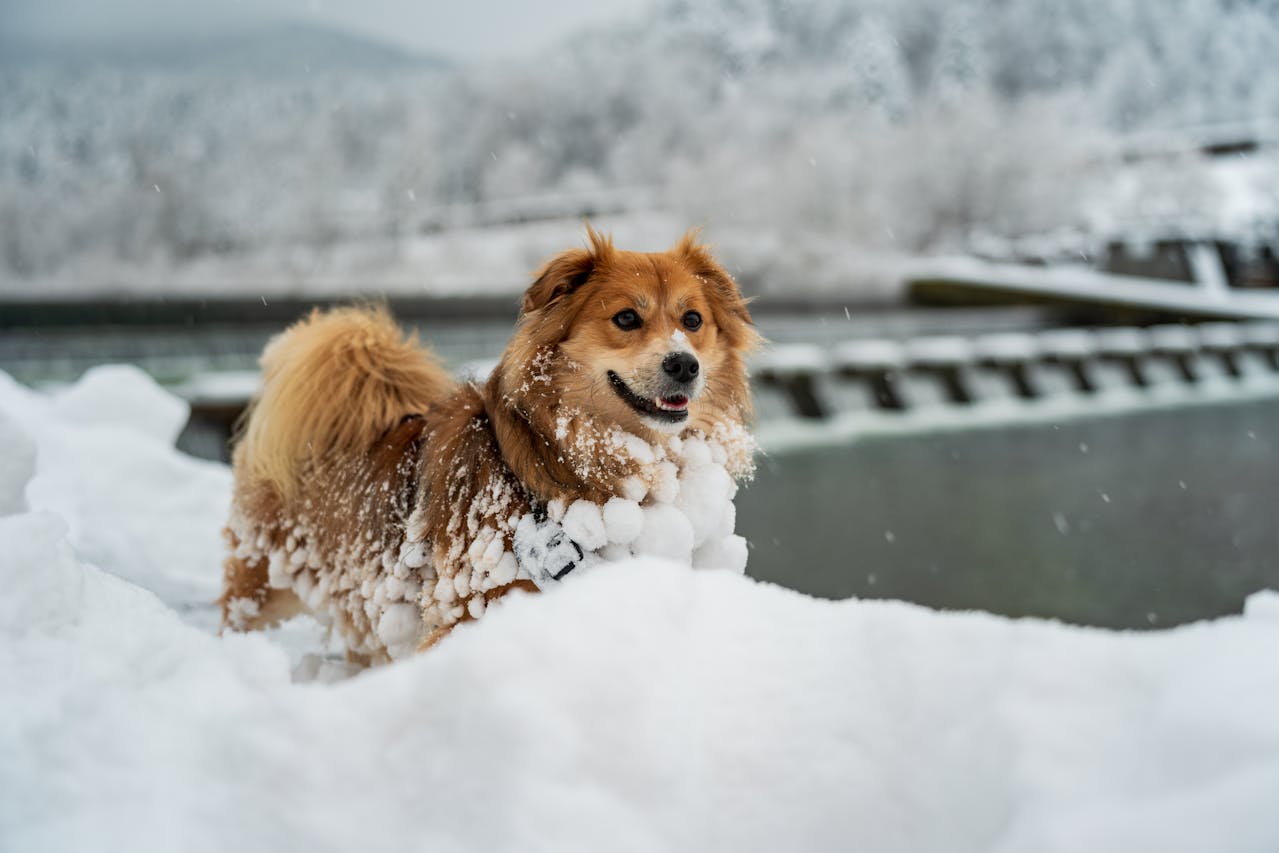
For many of us winter means beautiful landscapes and playing in the snow. For our four-legged friends, though, it can be a real challenge — especially when it comes to protecting their paws. Caring for and protecting a dog’s paws through the winter months matters not only for their comfort but, above all, for their health. Low temperatures, ice, damp and chemical de-icers such as the salt spread on pavements can all lead to irritation, cracking and even frostbite. In this article, put together by the experts at Zviropolis, we look at why winter paw care is so important and at the practical steps you can take to keep your pet safe and comfortable on walks in cold weather.
In a nutshell: the key rules of winter paw care
Protecting your dog’s paws in winter is essential if you want to prevent the skin irritation and frostbite caused by low temperatures and road salt.
Why winter paw protection matters so much: how the damage happens
Protecting a dog’s paws in winter is extremely important, because low temperatures and the salt spread on pavements can cause a whole series of health problems for our four-legged friends.
Urban hazards: road salt and frost
The greatest enemy of a dog’s paws in winter is road salt (sodium chloride and other de-icing mixtures). Salt dries out the delicate skin of the pads and robs it of its elasticity, which leads to cracked pads, a burning sensation and severe irritation. On winter walks dogs are exposed to skin irritation that can end in cracked paw pads.
What is more, when a dog licks its paws to ease the discomfort, it may swallow those chemicals, which in turn causes stomach problems.
Frostbite is another problem that can arise when a dog spends too long out in the cold. Extreme cold and prolonged contact with ice or snow can cause frostbite, particularly around the edges of the paws and between the toes. It shows up as a change in the colour of the skin on the paws and as swelling, which makes walking painful and uncomfortable. The skin may turn pale or bluish and, in more severe cases, black, with a loss of sensation.
Looking after your dog’s paws in winter is key to their health and comfort. A few simple rules will help you avoid the problems that come with winter walks:
Sticking to these habits will keep your dog’s paws in good condition all winter long and keep them comfortable and healthy during their daily time outdoors.
Proper paw care: the golden rule for coming home
When caring for your dog’s paws in winter, there are a few key points worth bearing in mind that will keep your pet comfortable and healthy on walks in low temperatures.
The golden rule: after every walk the paws must be cleaned immediately and thoroughly. Simply wiping them is not enough!
How to wash and dry the paws
Coat care and moisturising
It is then worth applying a moisturising balm or ointment to help the pads recover and protect them from cracking. Massage balm or ointment into the pads regularly, ideally at bedtime, to keep them supple and crack-free.
Important: remember to trim the hair between the paw pads regularly. Hair that is too long collects ice and snow into balls that injure the paw.
On frosty days it is worth cutting down the time spent outdoors but going out more often. That way your dog still gets to move about without any risk of frostbite.
| Step | What to do | Expert tip |
| Rinsing | Wash your dog’s paws straight away. | Use lukewarm water (never hot!) to remove salt, ice and chemicals effectively. Take particular care to rinse between the toes (a dedicated jug or bowl makes this easier). |
| Drying | Dry the paws thoroughly after washing. | Gently but thoroughly dry the paws with a towel. Moisture left between the toes encourages inflammation, which is why this step matters so much. |
| Coat care | Remove anything that could cause injury. | Trim the hair growing between the paw pads regularly. Hair that is too long collects ice and snow into hard, sharp balls that damage the skin mechanically. |
Protection from the outside: waxes, balms and boots
Protecting your dog’s paws on winter walks is extremely important. There is a wide range of products on the market that can help shield them from harsh weather.
Choosing a protective product (before the walk)
Choosing the right product for your dog’s paws in winter is key to keeping them comfortable and protected from the weather.
Protective boots
One popular solution is a set of protective boots. Their main advantage is that they insulate the paw effectively from cold ground and shield it from the damaging effects of road salt.
Common mistakes and first aid
Dog owners often make mistakes when caring for their pets’ paws in winter, and those mistakes can have unpleasant health consequences.
Mistakes to avoid
First aid for frostbite
If you notice signs of frostbite (the paws feel hard or look pale, or your dog is limping), cut the walk short immediately and:
Summary and what to do next
Winter is the season when we have to take particular care of our four-legged friends’ health and comfort. Low temperatures and the salt on pavements can leave dogs with irritated, cracked paw pads.
The key is proactive protection (waxes or boots) combined with disciplined aftercare (rinsing in lukewarm water and drying thoroughly). With the right routine and a watchful eye, you can keep your dog healthy and comfortable even on the coldest days.
If, however, you notice severe irritation, deep cracks or signs of frostbite in your pet, please get in touch with our veterinary clinic. Our specialists will provide expert care so that your dog is soon back to full activity.
FAQ
Do dogs need protective boots in winter?
Protective boots can be very helpful for dogs, especially those that spend a lot of time outdoors in winter conditions. They shield the paws from cold, road salt and sharp surfaces. Not every dog will accept boots, though, so it is worth introducing this kind of protection gradually.
What are the signs of frostbite in a dog?
Frostbite in a dog can show up as a change in the colour of the skin on the paws, swelling and pain when walking. The skin may turn pale or bluish. If you notice any of these signs, consult a veterinarian as soon as possible.
Is road salt harmful to dogs?
Road salt can be harmful to dogs, as it irritates their skin and can lead to cracked paw pads. On top of that, if a dog licks its paws after a walk it may ingest the salt, which is dangerous to its health. That is why washing the paws after every walk is so important.
Which balms are best to use before a walk?
Before a walk it is worth using a conditioning balm based on wax or paraffin. These form a protective barrier on the dog’s paws, shielding them from moisture and road salt. Avoid petroleum jelly before heading out into the frost, as it can increase the risk of frostbite.
Can household remedies be used to care for a dog’s paws?
Yes, household remedies such as coconut oil or olive oil can be used as natural conditioners for a dog’s paws. That said, always make sure your dog is not allergic to any of the ingredients and watch how the skin reacts after you apply them.
How often should I check my dog’s paws in winter?
We recommend checking your dog’s paws after every winter walk. Look out for any redness, cracking or other changes to the skin, and act immediately if you find any.
Are there dog-safe alternatives to road salt?
Yes, there are alternatives to road salt that are safer for dogs. You can use sand or the special eco-friendly grits sold in pet shops and garden centres.