

-
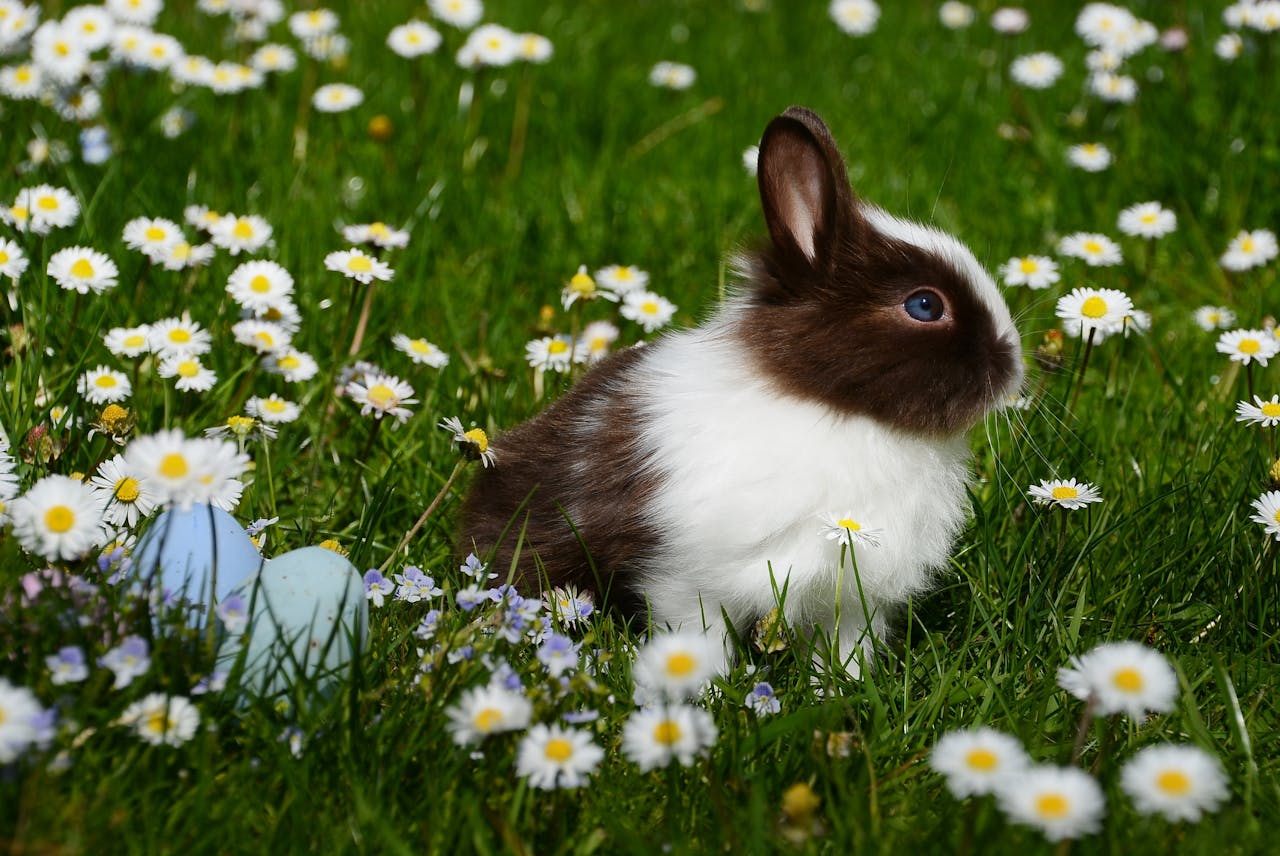
Parasitic diseases in rabbits: the commonest threats and how to prevent them
Coccidiosis, encephalitozoonosis, ear mange and cheyletiellosis are the parasitic diseases pet rabbits meet most often, and they can go unnoticed for a long time. We explain how they are diagnosed in the laboratory, how they are treated, and which hygiene, quarantine and feeding rules keep infection at bay.
-
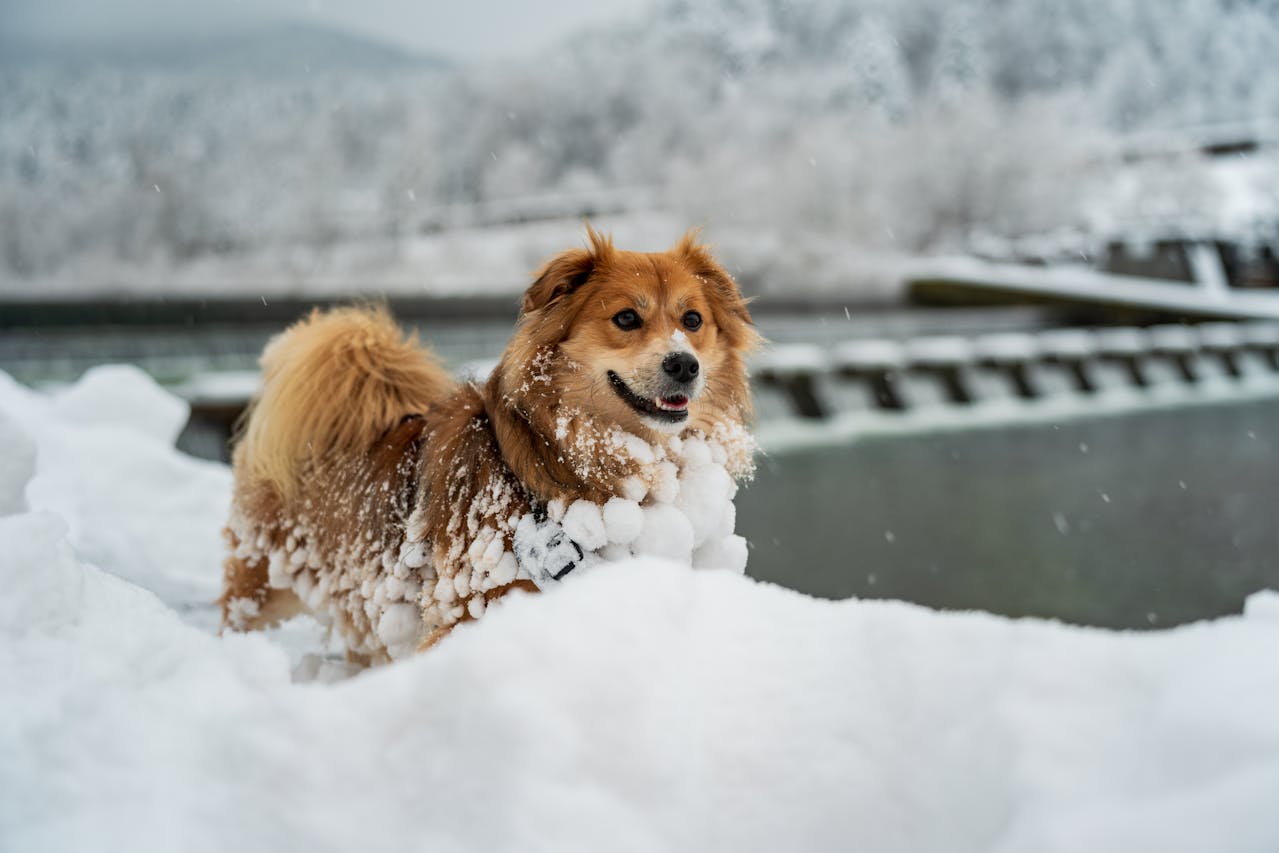
How to protect your dog’s paws in winter
Frost, ice and road salt leave a dog's pads irritated, cracked and sometimes frostbitten every winter. We explain how to pick a route and a protective wax before the walk, how to rinse and dry the paws properly once you are home, and which signs mean it is time to call the veterinary clinic.
-
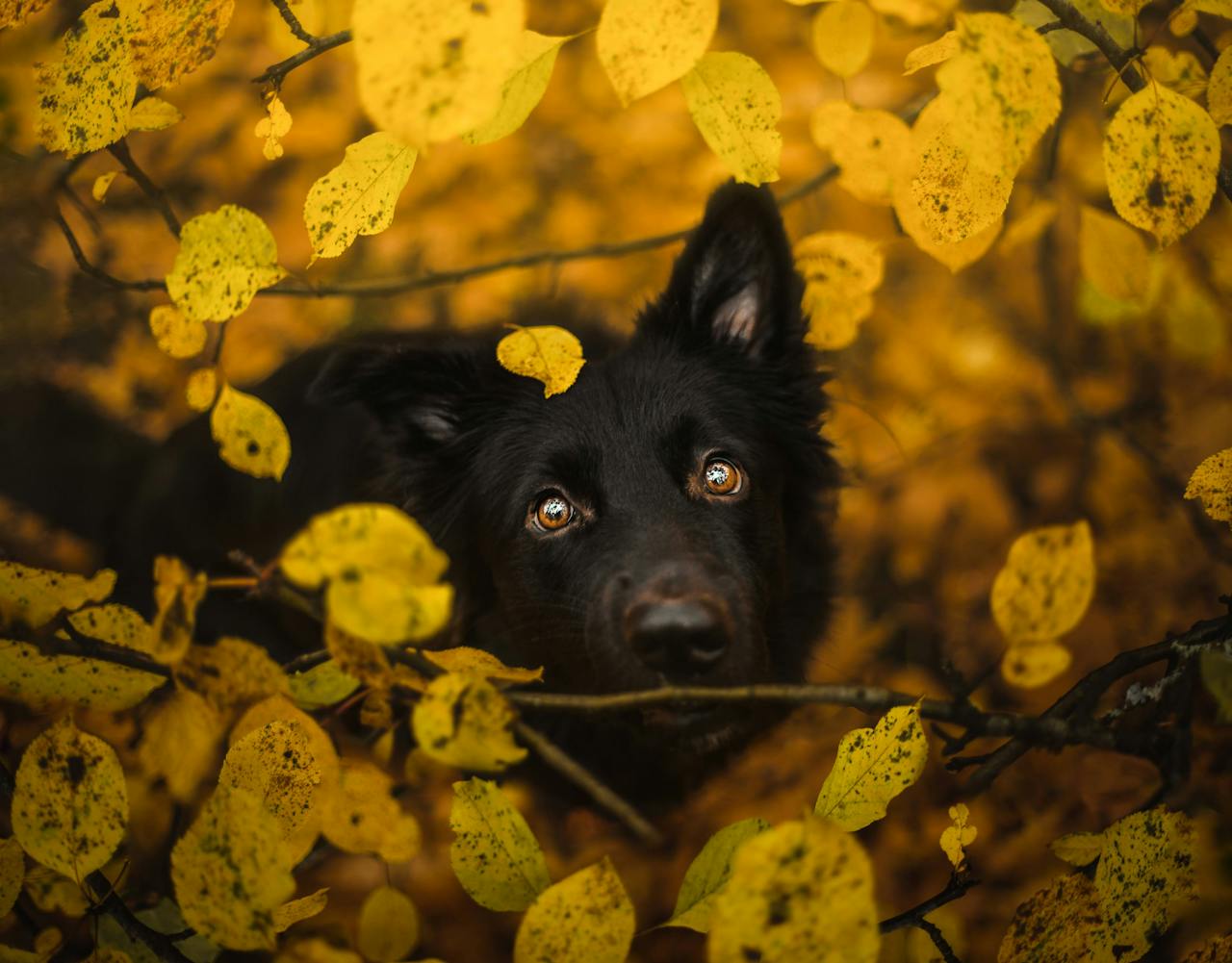
Horner’s syndrome in dogs and cats: signs, causes, diagnosis and treatment
A drooping eyelid, a smaller pupil and a visible third eyelid on one side add up to Horner's syndrome. It is not painful in itself and does not harm sight, but it often signals another, more serious condition underneath. We explain the causes, the diagnostic steps, the pharmacological tests and the treatment options.
How to Look After Your Dog on Hot Days
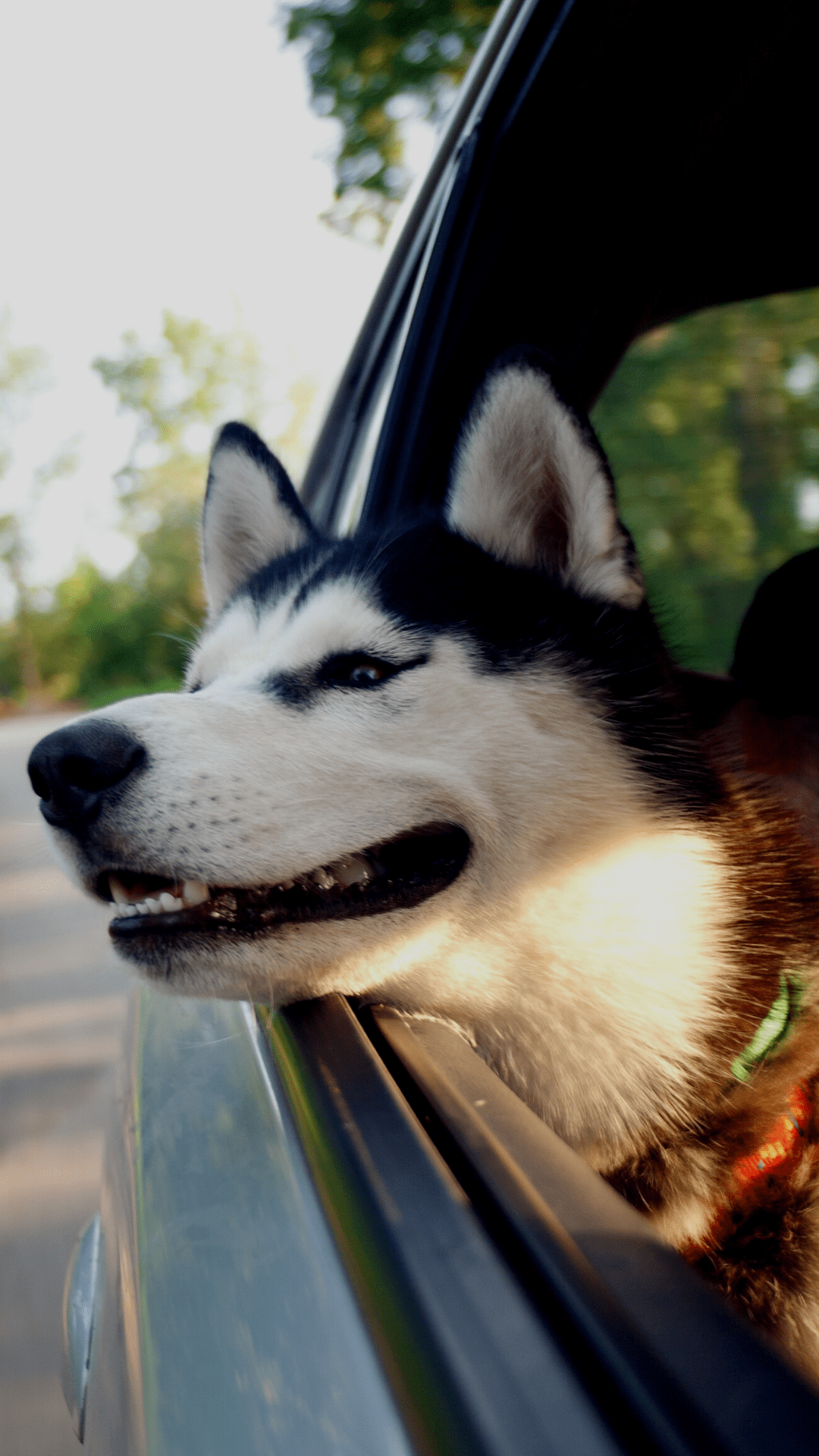
How to look after your dog on hot days
Every dog owner has at some point wondered how to help their pet on hot days. Here’s the answer! The most important thing is to understand that dogs are more vulnerable to the harmful effects of high temperatures than people are, and there are several reasons for this that not everyone knows about.
What affects a dog’s comfort in hot weather?
Firstly, dogs simply don’t have as many sweat glands as humans, which makes it harder for them to cool down on their own. Those glands are found mainly on the paw pads! So when your dog is resting, it’s a good idea to cool their paws with water.
Secondly, dogs with a thick coat have an even harder time. Their fur is genetically designed to retain heat. In their case, regular brushing out of dead hair is a must!
Thirdly, brachycephalic breeds have a very particular structure of the muzzle and nose. Narrowed nostrils, a short muzzle and an elongated soft palate make coping with the heat considerably harder.
How does a dog cool down?
Our friends cool down mainly by panting. A dog opens its mouth and, with its tongue out, breathes in that distinctive way every owner knows. This lets dogs release moisture from the mucous membranes and tongue, and in this way shed excess heat from the body. This is where the muzzle deserves a mention. Veterinary muzzles must never be used on walks, because they stop the dog opening its mouth and therefore panting!
What can I do to help my dog on warm days?
Make sure there is constant access to water and a shady spot. Setting up a paddling pool and wetting your dog down is a great idea. If your dog is indoors, let them rest on cool floor tiles. A cooling mat is a good buy. You can also offer chilled treats.
If your dog is drooling excessively, breathing faster than usual, reluctant to follow commands or to move at all, has an unnatural colour to the gums or mucous membranes, or even loses consciousness, go to the Zviropolis veterinary clinic immediately.