

-
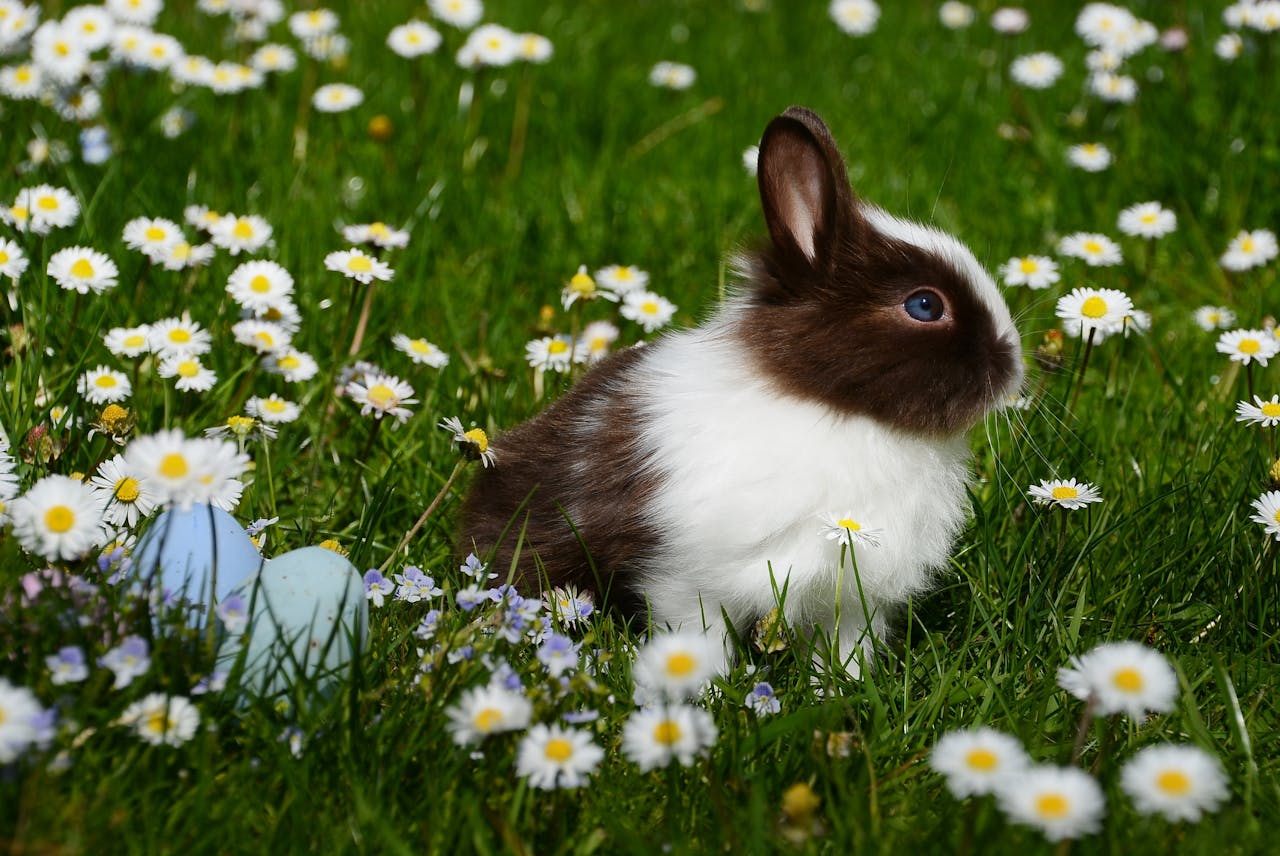
Parasitic diseases in rabbits: the commonest threats and how to prevent them
Coccidiosis, encephalitozoonosis, ear mange and cheyletiellosis are the parasitic diseases pet rabbits meet most often, and they can go unnoticed for a long time. We explain how they are diagnosed in the laboratory, how they are treated, and which hygiene, quarantine and feeding rules keep infection at bay.
-

How to protect your dog’s paws in winter
Frost, ice and road salt leave a dog's pads irritated, cracked and sometimes frostbitten every winter. We explain how to pick a route and a protective wax before the walk, how to rinse and dry the paws properly once you are home, and which signs mean it is time to call the veterinary clinic.
-
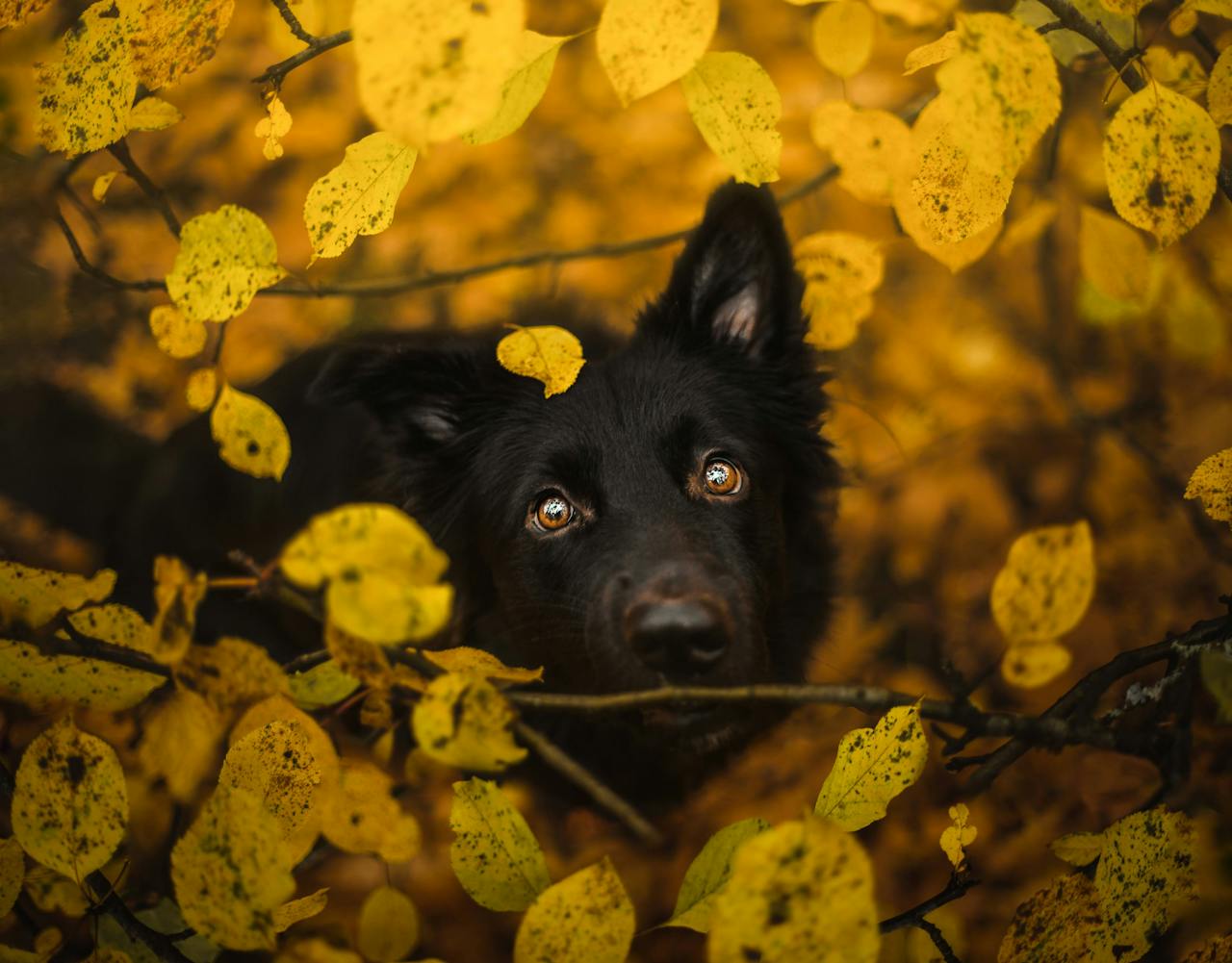
Horner’s syndrome in dogs and cats: signs, causes, diagnosis and treatment
A drooping eyelid, a smaller pupil and a visible third eyelid on one side add up to Horner's syndrome. It is not painful in itself and does not harm sight, but it often signals another, more serious condition underneath. We explain the causes, the diagnostic steps, the pharmacological tests and the treatment options.
How to Feed an Older Cat: Tips and Advice
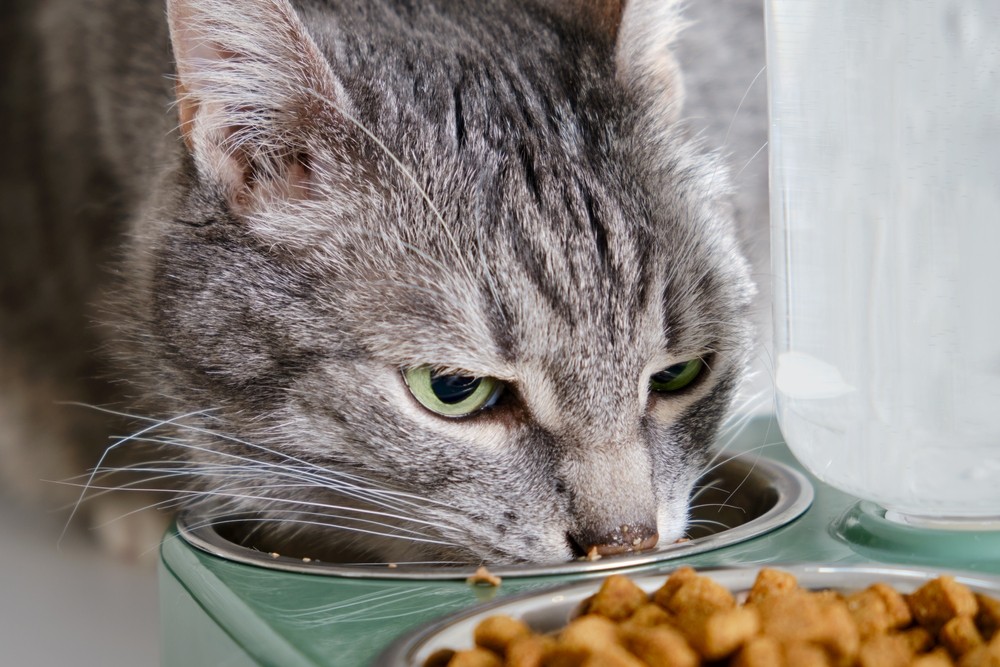
Sooner or later every cat owner notices that their pet is beginning to change. As cats age they become less active, and their needs and behaviour shift. How can you tell that your four-legged friend is entering its senior years? It is worth watching for the subtle signs that point to this natural process. In this article we look at the signs of ageing in cats and explain how best to look after their health and comfort in old age.
Signs of ageing in cats
Ageing is a natural process that affects a cat’s behaviour and appearance. Over the years you may notice your pet becoming less active and more inclined to rest for longer. Senior cats often avoid jumping onto high surfaces and may show less interest in play. It is important to observe these changes and watch for the subtle signs that may indicate ageing. Changes in sleep patterns, such as longer daytime naps, and reduced physical activity are typical signs of ageing in cats.
Some signs of ageing may call for a visit to the vet. If you notice lethargy, loss of appetite, or difficulty urinating or defecating in your cat, it is worth consulting a veterinarian. Regular check-ups are key to monitoring an older cat’s health and catching potential problems early. Remember that not every change is a normal part of ageing; some may point to more serious conditions.
A healthy weight for older cats
Older cats often struggle with weight problems, which can mean being either overweight or underweight. These changes result from a range of factors, such as a slower metabolism, reduced physical activity and health problems. It is worth noting that excess weight in older cats is usually the combined result of too much food and too little exercise. Cats may avoid physical activity because of joint pain or other ailments, which leads to the build-up of unwanted kilos. To prevent this, try to add more play and activity to your cat’s daily routine to help it maintain a healthy body weight.
On the other hand, being underweight can result from poor absorption of nutrients and loss of appetite. Older cats often find eating difficult because of dental problems or a diminished sense of smell. In such cases it is advisable to offer food with a higher energy density, enriched with essential nutrients. It is also important to monitor your cat’s weight and visit the vet regularly so that any worrying changes can be dealt with quickly. Here are a few tips on weight control in older cats:
How a cat’s nutritional needs change with age
As cats grow older, their nutritional needs change significantly. Young cats need a diet rich in protein and energy to support growth and physical activity. With age, however, the metabolism slows down and older cats may have difficulty absorbing certain nutrients. That is why it is important to adapt the diet to the changing needs of a senior cat. Nutrients such as taurine, methionine and arginine, which support the heart and nervous system, are particularly important in an older cat’s diet.
When a cat reaches around 10 years of age, protein digestibility can drop considerably, which means the amount of protein in the diet should be increased accordingly. It is also important to keep an eye on the phosphorus level in the food so as not to put a strain on the kidneys, which become more prone to disease with age. Here are a few tips on feeding older cats:
Remember that every cat is different and needs an individual approach to feeding. Regular visits to the vet will help you monitor your pet’s health and adapt its diet to its current needs.
How to choose food for a senior cat
Choosing the right food for an older cat takes care and an understanding of a senior cat’s specific nutritional needs. First of all, look at the nutrients the food contains. Older cats often have trouble absorbing protein, so the food should contain enough of it to support muscle mass and overall health. It is also important to avoid excess phosphorus, which can strain the kidneys. Look for food with added Omega-3 and Omega-6 fatty acids, which support joint health and improve coat quality.
Wet food plays an important role in an older cat’s diet. Thanks to its high moisture content, it helps prevent kidney problems and dehydration. Wet food is also easier to eat for cats with dental problems. When choosing food, look closely at the ingredients and avoid products containing large amounts of carbohydrates and artificial additives. Here are a few things to look out for when buying:
Feeding rules for older cats
Older cats often need a special approach to feeding. As cats age, their metabolism changes, which affects the way they absorb nutrients. That is why it is important to adjust the size and frequency of meals to their needs. Smaller but more frequent portions are recommended, even 5–6 times a day. Feeding this way can help maintain a steady energy level and prevent digestive problems. If your cat has a poor appetite, try warming the food to room temperature or adding a special cat broth to make it more appealing.
It is also important to monitor a senior cat’s body weight. Older cats may tend to gain weight because they are less active or, conversely, lose weight because of health problems. To counter this, it is worth using interactive feeders that encourage the cat to move while eating. For less mobile animals, it is better to place the bowls close to their bed. Remember to choose the right food: wet food is often better for older cats because it is easier to eat and the extra moisture supports kidney health. Avoid products high in carbohydrates and choose those rich in protein and essential fatty acids.
What not to feed a senior cat
Older cats have specific nutritional needs, and some foods can be harmful to them. It is important to avoid giving them anything that could adversely affect their health. For example, vegetables such as garlic, leek, onion and chives are toxic to cats and can lead to serious health problems. In addition, milk, often thought of as a treat, can be hard for older cats to digest and puts a strain on their kidneys. Also avoid foods intended for young animals, as they contain a different balance of nutrients, which can lead to obesity or other health problems.
Bear in mind, too, that a BARF (raw) diet can be risky for older cats. Although raw meat may be appealing in taste, its unbalanced protein and phosphorus content can overload a senior cat’s body. It is better to opt for a high-quality commercial wet food, which provides adequate moisture and is easier to digest. Here is a list of foods to avoid in an older cat’s diet:
Make sure your pet’s diet is suited to its age and state of health. Regular consultations with your vet will help you avoid feeding mistakes and give your cat a long and healthy life.
Summary
Ageing is a process that affects a cat’s everyday life. Over the years you may notice changes in your pet’s behaviour and appearance. Older cats become less active, rest more often and avoid jumping onto high surfaces. It is important to observe these changes and watch for signs such as lethargy, loss of appetite or difficulty urinating. Regular visits to the vet will help you monitor your cat’s health and respond quickly to any problems.
Senior cats also have specific nutritional needs. Their diet should take account of their changing metabolism and reduced ability to absorb nutrients. Choose foods rich in protein but low in phosphorus so as not to strain the kidneys. Avoid products such as garlic and onion, which are toxic to cats. Remember to monitor your pet’s weight regularly and adapt its diet to its individual health needs.
Frequently asked questions
What other signs of ageing might I notice in my cat?
Besides reduced activity and longer sleep, older cats may show memory problems, such as forgetting where the litter tray is. They may also have difficulty moving about as a result of joint pain or arthritis. Behavioural changes, such as increased irritability or reluctance to interact with people, can also be a sign of ageing.
Do older cats need special dietary supplements?
Yes, older cats can benefit from supplements that support joint health, such as glucosamine and chondroitin. Omega-3 fatty acids can help maintain a healthy coat and skin. Always consult your vet before adding new supplements to your cat’s diet.
How often should I take my older cat to the vet?
For older cats, check-ups at the vet are recommended at least twice a year. Regular examinations help monitor your cat’s health and allow a quick response to any changes or health problems.
Can I still play with my older cat?
Of course! Although older cats may be less active, they still need mental and physical stimulation. Choose games suited to their abilities, such as gently trailing a piece of string or interactive toys. Avoid intense activities that could put a strain on the joints.
How can I help my older cat stay clean?
Older cats may find it hard to groom themselves. Regular brushing will help keep them clean and prevent matting. If you notice problems with oral hygiene, consult your vet about suitable dental care products.
Do older cats have any special environmental needs?
Yes, it is worth adapting your home to an older cat’s needs. Make sure it has easy access to its favourite resting spots and the litter tray. You might also consider ramps or steps to make it easier for your cat to climb onto higher surfaces.
Is a BARF diet suitable for my older cat?
A BARF (raw) diet can be risky for older cats because of its unbalanced nutrient content. Older cats have specific nutritional needs, so it is better to opt for a high-quality commercial wet food formulated for their age.