

-
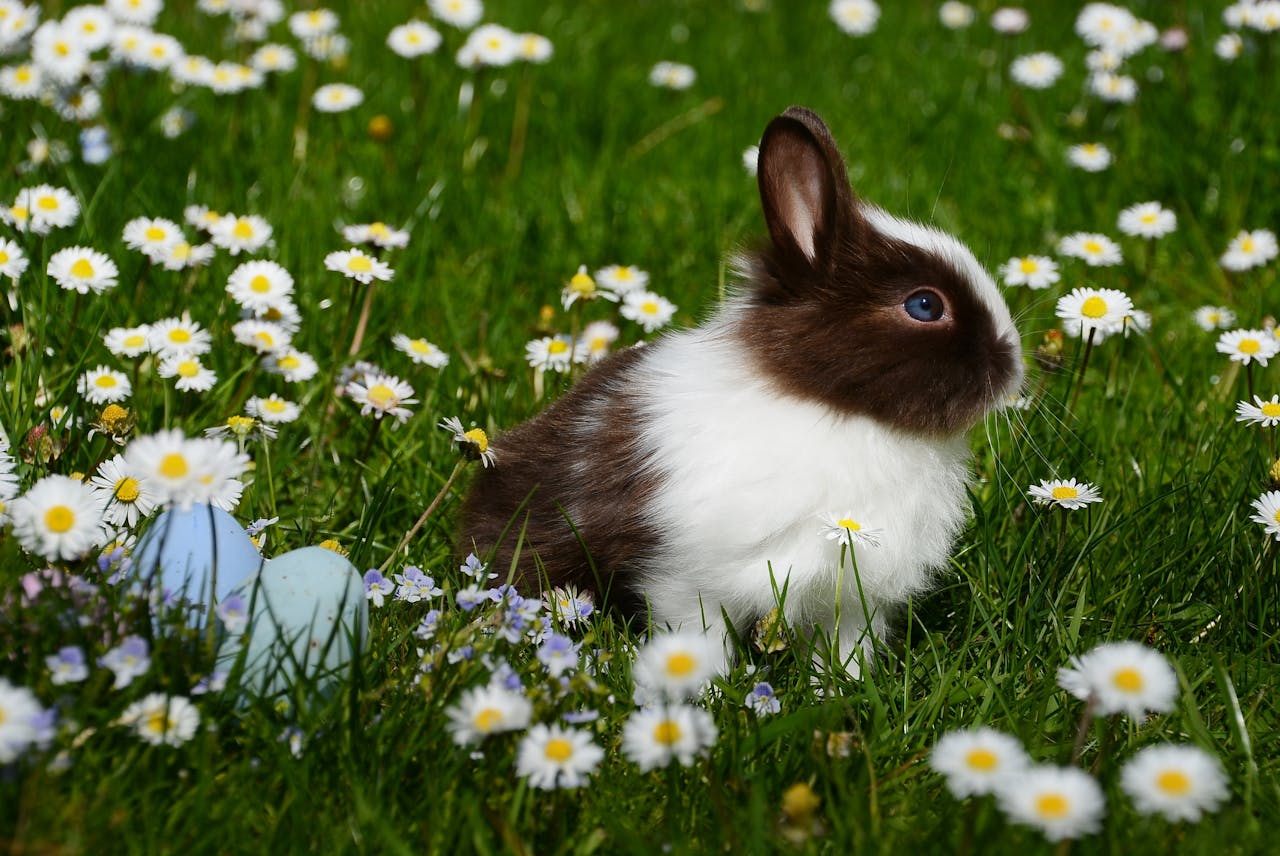
Parasitic diseases in rabbits: the commonest threats and how to prevent them
Coccidiosis, encephalitozoonosis, ear mange and cheyletiellosis are the parasitic diseases pet rabbits meet most often, and they can go unnoticed for a long time. We explain how they are diagnosed in the laboratory, how they are treated, and which hygiene, quarantine and feeding rules keep infection at bay.
-
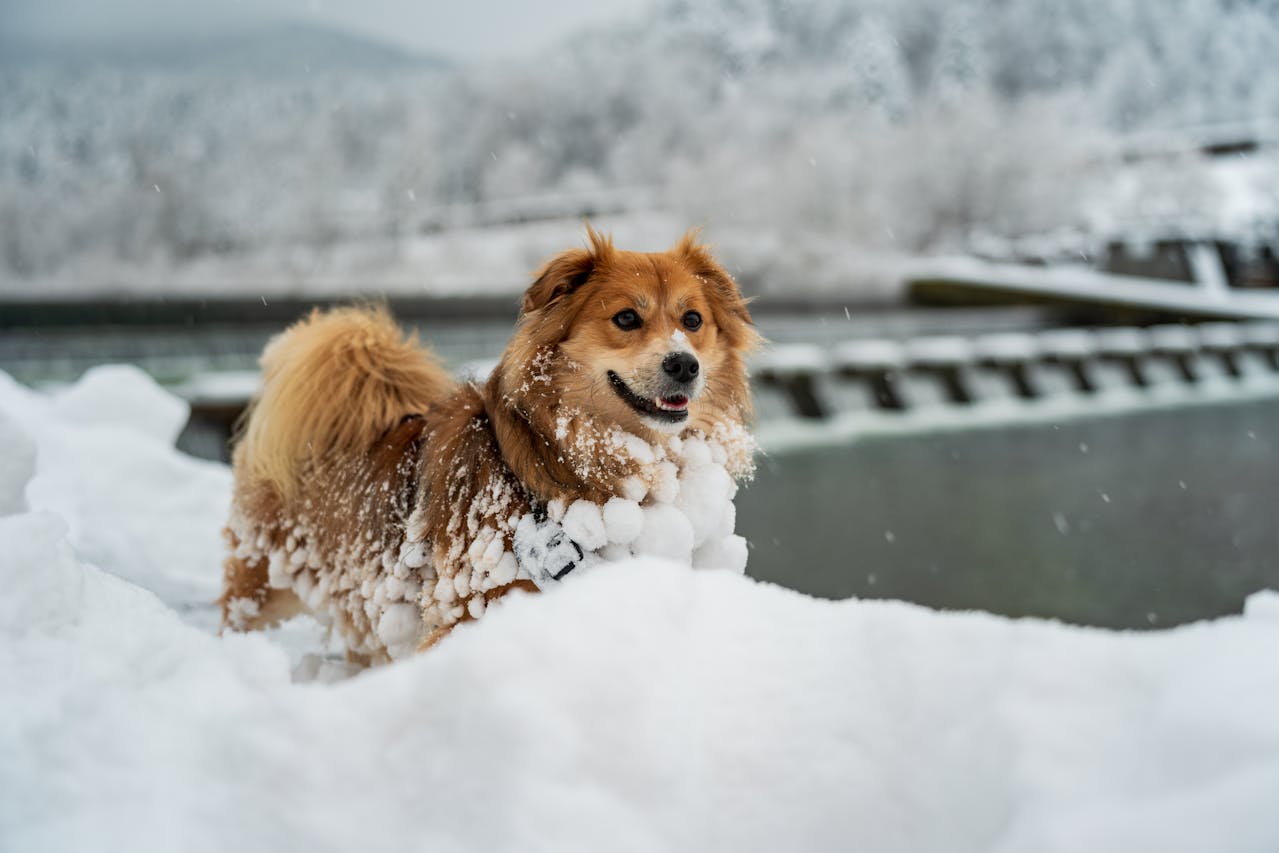
How to protect your dog’s paws in winter
Frost, ice and road salt leave a dog's pads irritated, cracked and sometimes frostbitten every winter. We explain how to pick a route and a protective wax before the walk, how to rinse and dry the paws properly once you are home, and which signs mean it is time to call the veterinary clinic.
-
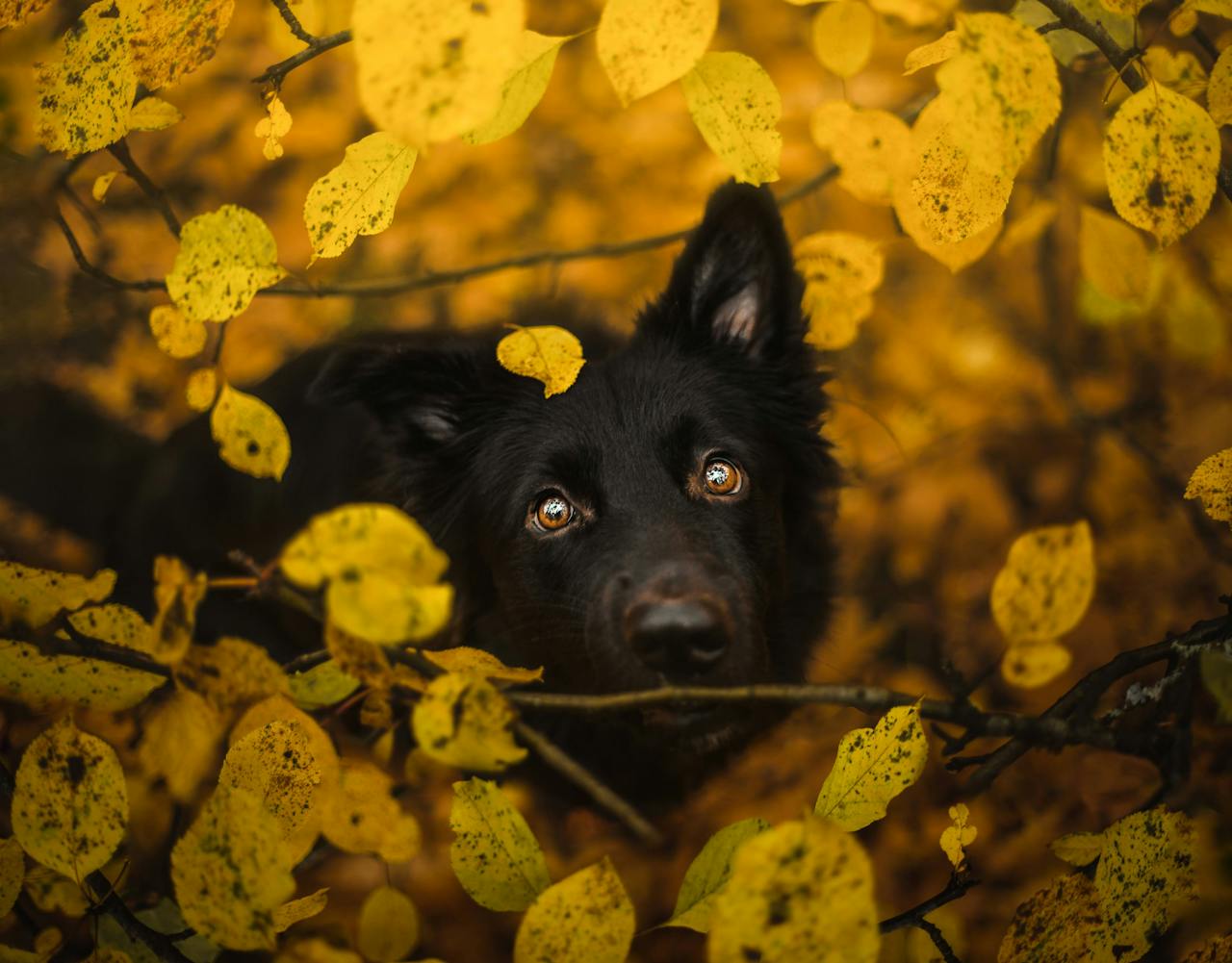
Horner’s syndrome in dogs and cats: signs, causes, diagnosis and treatment
A drooping eyelid, a smaller pupil and a visible third eyelid on one side add up to Horner's syndrome. It is not painful in itself and does not harm sight, but it often signals another, more serious condition underneath. We explain the causes, the diagnostic steps, the pharmacological tests and the treatment options.
How to Cool a Dog Down in a Heatwave and Help It Through Hot Days
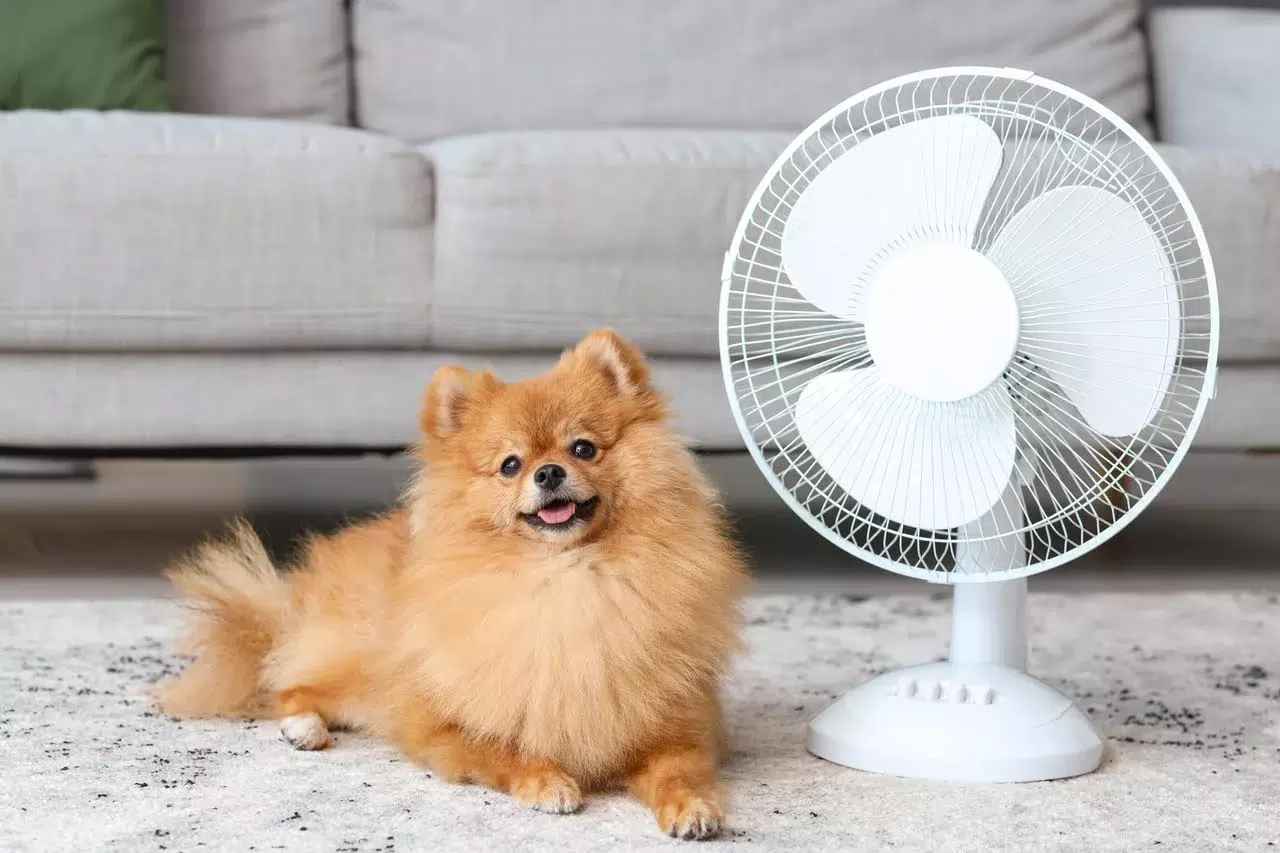
High temperatures can be extremely dangerous for dogs, leading to overheating and heatstroke, which is why looking after our four-legged friends is so important during the summer months. In this article we look at why heat is a threat to dogs, how they cool themselves naturally and what steps we can take to keep them comfortable and safe.
You will learn how to keep your pet properly hydrated, how to plan walks on hot days and why you should never leave a dog alone in a car. Our aim is to give you practical advice that will help you protect your dog from the effects of the heat and look after its health and wellbeing.
Why is heat dangerous for dogs?
High temperatures can be very dangerous for our four-legged friends. Unlike humans, dogs do not sweat in the same way, which makes regulating their body temperature much harder. Instead, dogs cool down mainly by panting and by sweating through the pads of their paws. In extreme conditions, however, these mechanisms may not be enough.
Overheating can lead to serious health problems such as heatstroke, which is a life-threatening condition. Signs of heatstroke in dogs include heavy panting, weakness, vomiting and even loss of consciousness. That is why it is so important for dog owners to be aware of the risks and know how to protect their pets from the heat.
Here are a few practical tips for keeping your dog safe on hot days:
It is also worth remembering that some breeds are more prone to overheating than others and cope poorly with the heat. Some breeds have an undercoat and others do not, which also affects how well they regulate their temperature. Brachycephalic breeds with short muzzles, such as bulldogs and pugs, struggle to pant effectively, which makes them more susceptible to heatstroke. They have trouble breathing even in moderate temperatures, so a little relief on hot days is essential. Older dogs and dogs with health problems may also be more sensitive to high temperatures.
By making sure our dogs stay cool on hot days, we can keep them comfortable and safe. Remember that our pets rely on us to protect them from the dangers of the heat.
How does a dog cool down on hot days?
On hot days dogs can find it hard to regulate their body temperature. Here are a few ways you can help your four-legged friend get through the heat.
Hydration is key. To help your dog in the heat, make sure it always has access to fresh, cool water. You can also add ice cubes to the water bowl to keep it cool for longer.
Avoid walks during the hottest part of the day. Choose mornings or evenings, when it is cooler. Asphalt and pavements can get very hot and burn your dog’s paws in a heatwave. Check the temperature of the surface by touching it with your hand before you set off.
Give your dog shade. If your dog spends a lot of time outdoors, make sure it has access to shady spots. You might also consider buying a special cooling mat to help keep your dog’s body temperature down.
It is important to watch for signs of overheating. Symptoms such as excessive drooling, rapid breathing in a dog, lethargy or vomiting may indicate overheating. If this happens, move your dog to a cool place immediately and contact a vet.
Here are a few more tips that can help keep your dog cool:
Baths – regular baths in lukewarm water can help your dog cope with the heat and bring its body temperature down.
Fans – placing a fan near the spot where your dog rests can help circulate the air and keep it cool.
Avoid enclosed spaces – never leave your dog in a closed car, even for a short time. The temperature inside a vehicle can rise to dangerous levels very quickly.
By taking care of these things, you can keep your dog comfortable and safe on hot days. Remember that dogs are more sensitive to high temperatures than humans, which is why they need extra attention in the heat.
How to look after your pet on a hot day
Offer light meals
On hot days dogs may have a smaller appetite. Light meals are easier to digest and help prevent overheating. You can also give your dog frozen treats, which will cool it down even more.
Dampen the coat regularly
Spraying your dog with water or wiping its coat with a damp cloth can help lower its body temperature. Do not use ice-cold water, though, as this can cause thermal shock.
Monitor your dog’s behaviour
Watch your dog for signs of overheating, such as excessive panting, drooling, lethargy or vomiting. If you notice any of these symptoms, contact a vet immediately.
Use sun protection
If your dog has a short coat or pale skin, sunscreen can help protect it from sunburn. Make sure you use products designed specifically for animals.
By taking care of these things, you will keep your dog comfortable and safe on hot days. Remember that keeping your dog cool is not just a matter of comfort but, above all, of health and safety.
Water is the best remedy for high temperatures!
When the sun is beating down, water becomes essential to your dog’s health and comfort. Here are a few practical tips on keeping your four-legged friend cool on hot days.
Constant access to fresh water
The most important thing is that your dog always has fresh water available. On hot days dogs lose more water through breathing and through sweating from their paws, so topping up the water bowl regularly is crucial. You might also consider placing several water bowls in different spots around the house and garden.
Adding ice cubes to the water
Adding a few ice cubes to the water bowl can help keep the water cool for longer. It is not only a refreshing way to cool down but also an extra bit of fun for your dog.
Using a pet water fountain
Pet water fountains are a great solution that provides a constant flow of fresh water. Moving water is more appealing to dogs, which encourages them to drink more often. Fountains also often have filters that help keep the water clean.
Hydration on walks
On walks during hot weather, always take a bottle of water and a portable bowl for your dog. Regular drink breaks are essential to prevent dehydration and overheating. It is also best to avoid walks during the hottest part of the day and opt for mornings or evenings instead.
Cooling mats and vests
Cooling mats and vests are great accessories that can help keep your dog’s body temperature at a safe level. Cooling mats work by absorbing heat from the dog’s body, while vests can be soaked in water for extra cooling.
Regular baths
A bath in lukewarm water can be a great way to cool your dog down. You can also use a garden hose, a wet towel or a paddling pool to give your four-legged friend a bit of relief outdoors.
Watching for signs of overheating
It is important to know the signs of overheating in dogs, such as excessive panting, drooling, weakness or vomiting. If you notice any of these, move your dog to a cool place immediately, offer it water and contact a vet.
By keeping your dog properly cool and hydrated, you can keep it comfortable and safe even on the hottest days. Remember, in a heatwave water is your dog’s best friend!
Never leave your dog alone in the car!
In hot weather, leaving a dog in a car can be deadly. Even with the windows cracked open, the temperature inside a vehicle can soar, leading to overheating and heatstroke. Never leave your pet in a hot car, not even for a moment.
Why is it so dangerous?
In a closed car the temperature can rise to dangerous levels in just a few minutes. Dogs cannot regulate their body temperature effectively, which makes them more prone to overheating. Even if it does not seem all that hot outside, the inside of a car can become unbearably hot.
Alternatives to leaving your dog in the car
Instead of leaving your dog in the car, consider other options. Take your pet with you to places where it is welcome, or leave it at home where it is safe and cool. If you have errands to run where a dog cannot come along, ask someone to look after it.
How to recognise the signs of overheating in a dog
It is important to know the signs of overheating in dogs so that you can react quickly. They can include excessive panting, drooling, weakness, vomiting and even loss of consciousness. If you notice any of these symptoms, move your dog to a cool place immediately and contact a vet. If your dog loses consciousness, seek help from a veterinarian as quickly as possible.
What should you do if you see a dog locked in a car?
If you spot a dog locked in a car, act quickly. Try to find the owner of the vehicle and let them know what is happening. If you cannot find them, call the police or the municipal guard. In some cases, if the situation is critical, you may have to take more drastic steps to save the animal’s life.
Summary
Remember that your dog’s safety comes first. Never leave it alone in the car, especially on hot days. Look after its comfort and health and you will avoid tragic consequences.