

-

Parasitic diseases in rabbits: the commonest threats and how to prevent them
Coccidiosis, encephalitozoonosis, ear mange and cheyletiellosis are the parasitic diseases pet rabbits meet most often, and they can go unnoticed for a long time. We explain how they are diagnosed in the laboratory, how they are treated, and which hygiene, quarantine and feeding rules keep infection at bay.
-

How to protect your dog’s paws in winter
Frost, ice and road salt leave a dog's pads irritated, cracked and sometimes frostbitten every winter. We explain how to pick a route and a protective wax before the walk, how to rinse and dry the paws properly once you are home, and which signs mean it is time to call the veterinary clinic.
-
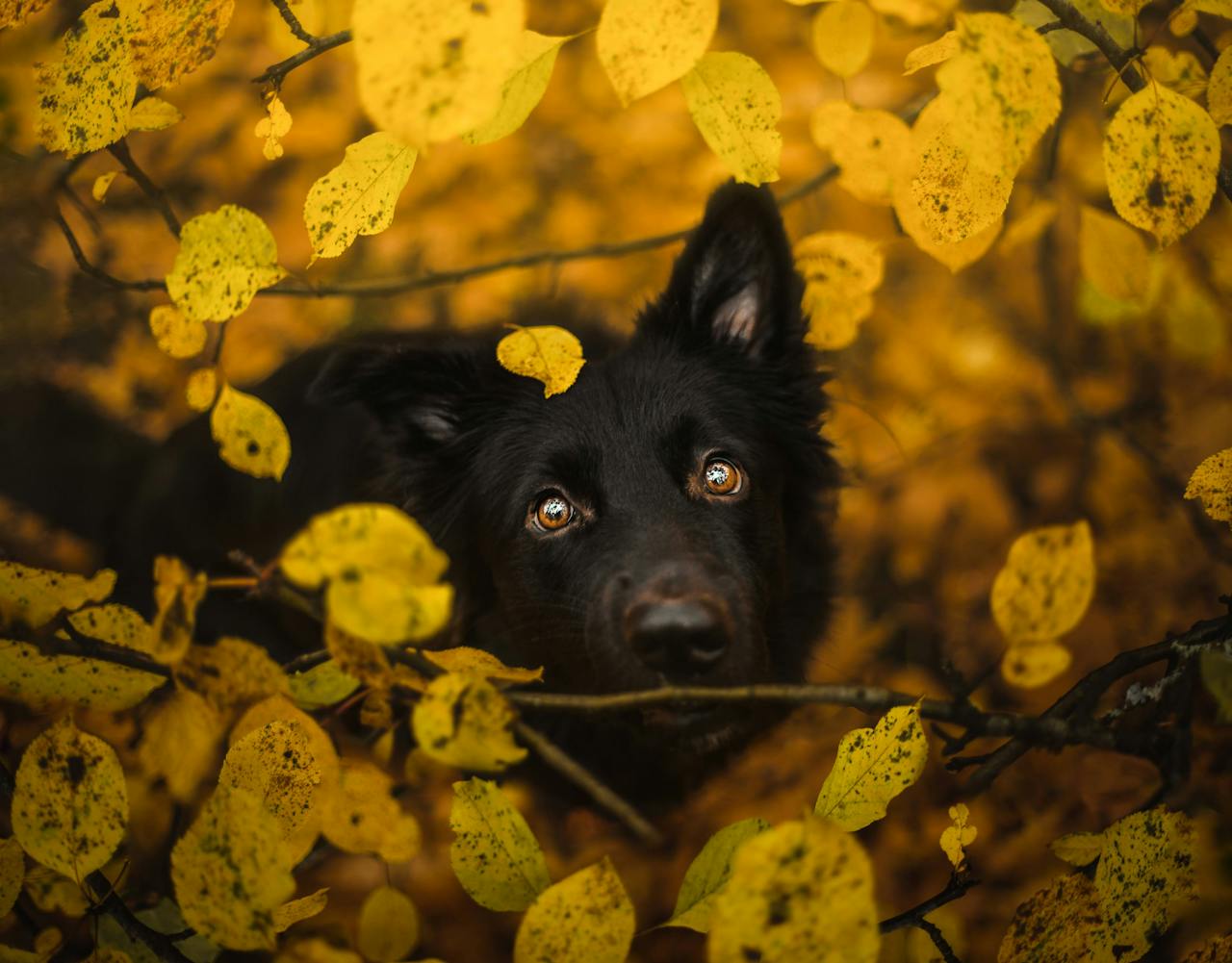
Horner’s syndrome in dogs and cats: signs, causes, diagnosis and treatment
A drooping eyelid, a smaller pupil and a visible third eyelid on one side add up to Horner's syndrome. It is not painful in itself and does not harm sight, but it often signals another, more serious condition underneath. We explain the causes, the diagnostic steps, the pharmacological tests and the treatment options.
How Owners Can Cope with Allergies Without Giving Up Their Pet

Dog allergy: how to live with it? Effective ways to keep your pet
A dog is a fully fledged member of the family, a best friend and a loyal everyday companion. When an owner or a child is diagnosed with an allergy, it often feels at first like a sentence. Difficult emotions surface, along with fear and the prospect of a painful parting from the animal. Many people wonder whether it is possible to live with a dog despite an allergy without putting their own health at serious risk. The experts’ answer is that in the vast majority of cases, it is. Modern human medicine, combined with up-to-date, holistic veterinary knowledge, makes a happy life under one roof possible. It does, however, require action on several fronts, strict discipline, proper management of the home environment and, crucially, looking after the health of the dog itself.
What actually triggers the allergy? The biggest myth about pet hair allergy
To fight an enemy effectively, you need to know it well. The first rule is this: it is not the dog’s hair itself that causes the runny nose or shortness of breath. Hair is merely a carrier for the real culprits. A true dog allergy is a reaction of an oversensitive immune system to specific proteins, or allergens, found in shed skin cells (dander), saliva, urine and the secretions of the sebaceous glands.
To build a complete picture, it is worth looking at the problem at the molecular level. So far, scientists and allergists have identified six main dog allergens, designated in medicine as Can f 1 to Can f 6. Each of these proteins has its own characteristics. For example, Can f 1 and Can f 2 are lipocalins produced mainly in the salivary glands, which the dog transfers to its coat with its tongue during daily grooming. Can f 3, meanwhile, is a serum albumin that can cross-react with allergens from other pets. Of particular interest from a veterinary point of view is the protein Can f 5, which we will discuss in more detail later in this article. Accurate diagnosis and pinpointing exactly which proteins the allergy sufferer reacts to are the foundation of an effective action plan.
Symptoms of dog allergy: more than a runny nose and sneezing
When airborne allergens, or those carried on the hands, reach the mucous membranes of an allergic person, the body begins to release histamine rapidly. The symptoms of dog allergy can vary widely and depend on how sensitive the individual patient is. The typical clinical picture includes allergic rhinitis, with a watery runny nose, swelling of the nasal lining, a blocked-nose feeling and intense bouts of sneezing. Allergic conjunctivitis very often comes with it. The eyes become red, stinging, swollen and watery, which makes everyday life considerably harder.
It is worth knowing, however, that the symptoms can extend well beyond the respiratory system. Direct contact with an animal’s saliva or dander often triggers skin reactions. These include contact urticaria, rashes, intense itching and flare-ups of atopic dermatitis. In the most serious cases, especially in people with a strong genetic predisposition, chronic exposure to dog allergens can lead to the development or worsening of bronchial asthma. This brings shortness of breath, chest tightness, a chronic cough and wheezing, which call for strict and ongoing care from a respiratory physician.
Tackling the source: how can a vet help an allergy sufferer?
This is an absolutely crucial issue that is still discussed far too rarely. Allergy sufferers usually focus solely on treating themselves with antihistamines. Yet managing the source of the allergen, the dog itself, produces spectacular results. This is where modern veterinary medicine comes in. As specialists, we know that a healthier pet means fewer problems for a sensitive owner.
Neutering and the Can f 5 protein: The molecule designated Can f 5 is prostatic kallikrein, a protein produced exclusively in the prostate gland of male dogs. It passes into the dog’s urine and from there onto its coat and into the home. Allergy studies show that up to thirty per cent of people allergic to dogs react solely or mainly to this particular protein. If diagnostic tests confirm this, the solution turns out to be remarkably simple and effective. Neutering the dog essentially stops the production of Can f 5 altogether, and some time after the operation the level of this allergen in the home drops dramatically.
Veterinary dermatology: The skin is the body’s largest organ, and its condition directly affects the amount of allergen in the environment. A dog with skin problems, such as dandruff, seborrhoea, food allergies, yeast infections or bacterial infections, suffers from intense itching. Constant scratching and a damaged skin barrier mean the animal sheds skin cells up to ten times faster than a fully healthy dog. Treating a dog’s skin disease brings direct relief to the owner. A proper diagnosis from a vet and treatment that brings the inflammation under control will significantly reduce the production of allergenic dander.
Omega-3 supplementation: Closely linked to this is caring for the body from within. To build a strong, intact skin barrier that does not flake excessively, a dog’s body needs the right support. Adding high-quality omega-3 fatty acids from certified fish oils to the diet has an anti-inflammatory effect on the skin. Regular supplementation keeps the skin moisturised and resistant to damage, which directly reduces the shedding of allergenic skin cells.
A dog for an allergy sufferer: do hypoallergenic breeds exist?
Almost every animal lover struggling with an allergy asks this question. When searching for dog breeds for allergy sufferers, you can come across a great deal of misleading and even harmful information. From a medical point of view, we must state clearly and unequivocally: there are no breeds that are one hundred per cent allergen-free. Every dog in the world has skin, produces saliva and passes urine.
We can, however, definitely talk about breeds with a lower allergenic potential. The gold standard here is dogs whose coat differs in structure from traditional fur. The key feature is the absence of a dense undercoat that sheds heavily with the seasons. Excellent choices in such cases include Poodles, Maltese, Yorkshire Terriers and Schnauzers. Their hair grows slowly and rarely falls out. In addition, its particular structure means that shed skin cells stay trapped close to the animal’s skin instead of scattering onto the carpets with every movement. This naturally requires regular visits to a groomer for clipping and brushing, but it allows the amount of allergen left around the home to be kept effectively under control.
How to reduce dog allergens at home? A checklist
Proper management of your living space is another pillar of shared success. When thinking about how to reduce dog allergens at home, it is worth putting a few iron rules into practice.
Is desensitisation to dogs effective?
If strict hygiene at home, treating the dog’s skin at the vet’s and the occasional use of antihistamines do not bring complete relief, medicine offers a final solution. Allergen-specific immunotherapy, commonly known as desensitisation, is a specialist treatment carried out by an allergist.
The therapy involves regularly administering to the patient strictly controlled doses of a vaccine containing an extract of dog allergens. The main aim is to slowly teach the human immune system to ignore these proteins so that it stops responding to them with aggressive, exhausting inflammation. The process demands a good deal of patience, as a full course of treatment usually takes three to five years. For many owners whose pet is an absolutely inseparable part of the family, successful immunotherapy becomes a ticket to a carefree life without a runny nose or breathlessness. Combining the expertise of a human allergist with sound veterinary care creates a strong protective shield that can save the beautiful bond between a person and their dog.