

-

Parasitic diseases in rabbits: the commonest threats and how to prevent them
Coccidiosis, encephalitozoonosis, ear mange and cheyletiellosis are the parasitic diseases pet rabbits meet most often, and they can go unnoticed for a long time. We explain how they are diagnosed in the laboratory, how they are treated, and which hygiene, quarantine and feeding rules keep infection at bay.
-

How to protect your dog’s paws in winter
Frost, ice and road salt leave a dog's pads irritated, cracked and sometimes frostbitten every winter. We explain how to pick a route and a protective wax before the walk, how to rinse and dry the paws properly once you are home, and which signs mean it is time to call the veterinary clinic.
-

Horner’s syndrome in dogs and cats: signs, causes, diagnosis and treatment
A drooping eyelid, a smaller pupil and a visible third eyelid on one side add up to Horner's syndrome. It is not painful in itself and does not harm sight, but it often signals another, more serious condition underneath. We explain the causes, the diagnostic steps, the pharmacological tests and the treatment options.
How Often Should You Worm Your Dog?
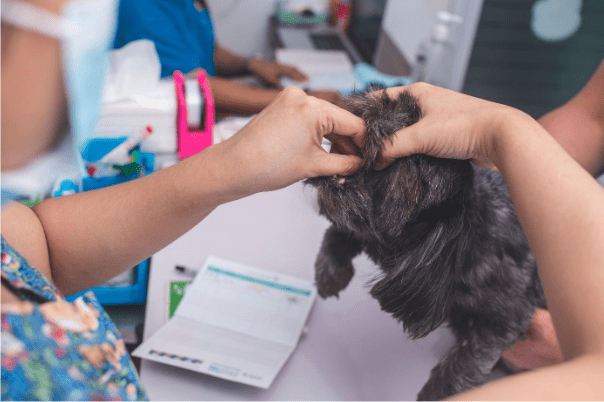
Keeping our four-legged friends healthy requires regular preventive care from their owners, including worming. Worming is a key part of preventing and controlling parasites in animals. In this article the Zviropolis Veterinary Centre in Warsaw answers the question: how often should you worm your dog?
Why is worming important?
As our dogs become an integral part of the family, so does our responsibility for their health. Parasites that can take up residence in a dog’s body not only affect its health but can also pose a risk to people. That is why it is important to worm your pet regularly. Parasites in dogs can lead to serious health problems such as:
How often should we worm a dog?
The answer depends on the dog’s age, lifestyle and general state of health.
Remember that even if your dog is wormed regularly, there is always a risk of parasite infection. So it is important to keep a regular eye on your pet and report any worrying symptoms to your vet.
What are the symptoms of a parasitic infection?
Symptoms vary depending on the type of parasite, but some of the most commonly seen are:
If you notice any of the above symptoms in your dog, contact a veterinarian without delay.
Summary
Remember that worming is essential to your dog’s health and wellbeing. Regular prevention helps keep our four-legged friend in good shape and protects our family from potential infection. If you have any questions about worming, get in touch with us at the Zviropolis Veterinary Clinic in Warsaw. Our team of specialists is ready to help.