

-
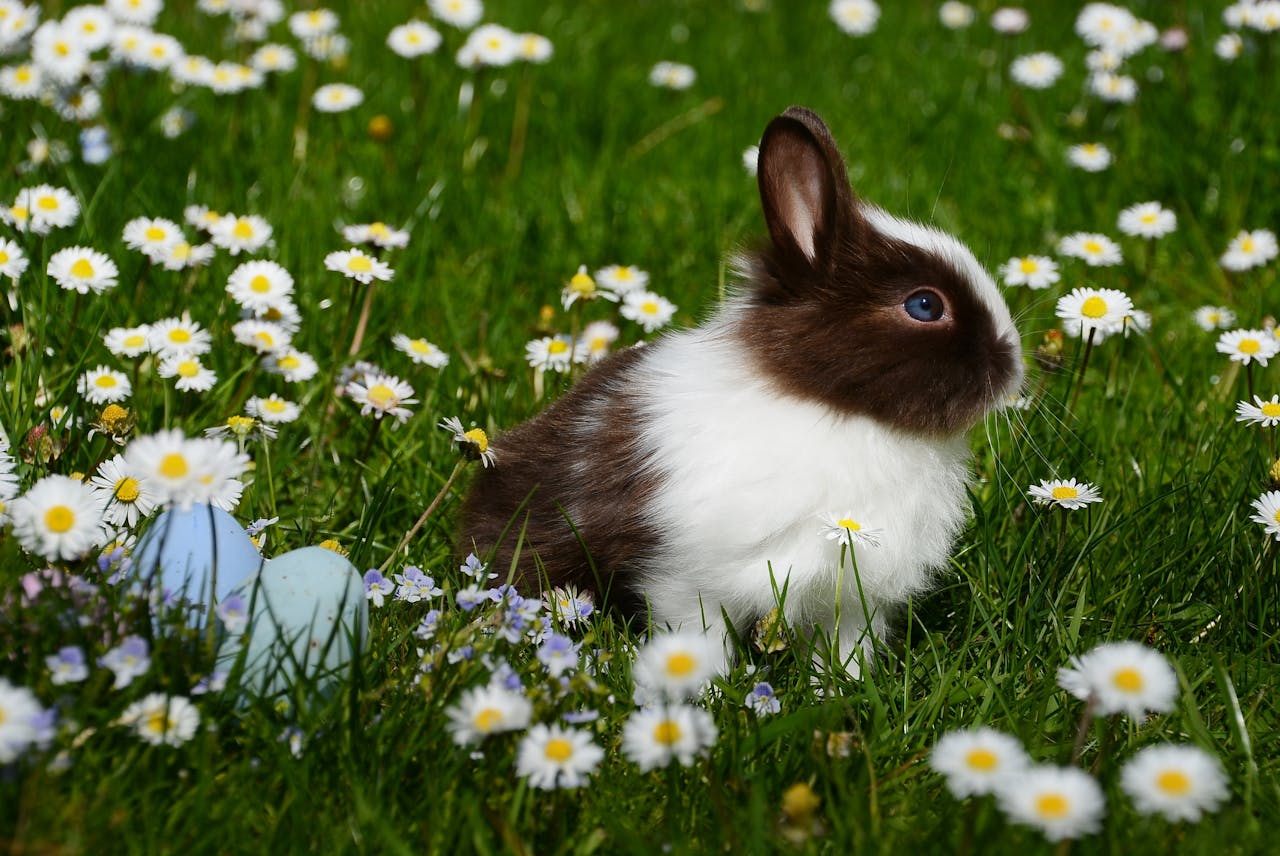
Parasitic diseases in rabbits: the commonest threats and how to prevent them
Coccidiosis, encephalitozoonosis, ear mange and cheyletiellosis are the parasitic diseases pet rabbits meet most often, and they can go unnoticed for a long time. We explain how they are diagnosed in the laboratory, how they are treated, and which hygiene, quarantine and feeding rules keep infection at bay.
-

How to protect your dog’s paws in winter
Frost, ice and road salt leave a dog's pads irritated, cracked and sometimes frostbitten every winter. We explain how to pick a route and a protective wax before the walk, how to rinse and dry the paws properly once you are home, and which signs mean it is time to call the veterinary clinic.
-
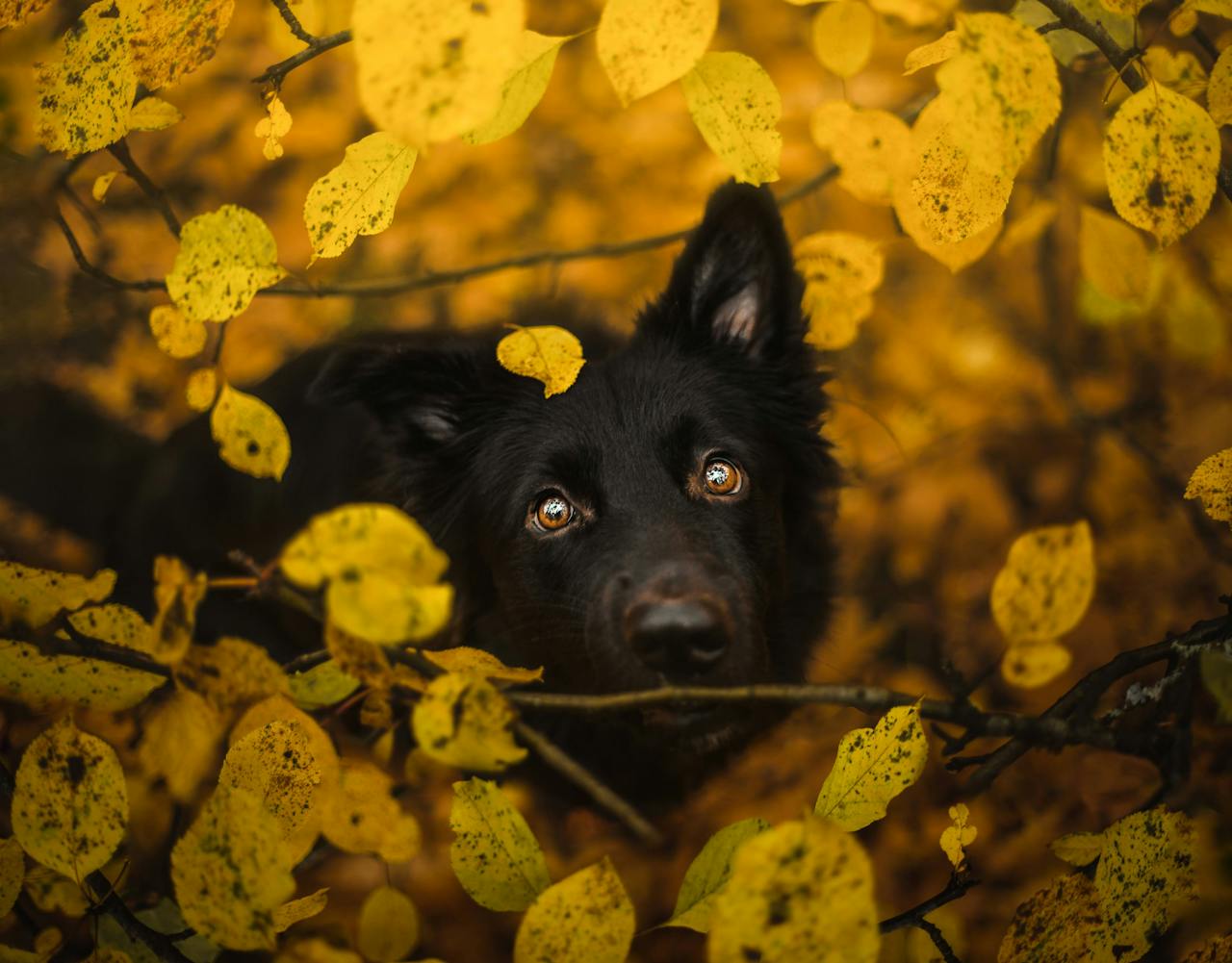
Horner’s syndrome in dogs and cats: signs, causes, diagnosis and treatment
A drooping eyelid, a smaller pupil and a visible third eyelid on one side add up to Horner's syndrome. It is not painful in itself and does not harm sight, but it often signals another, more serious condition underneath. We explain the causes, the diagnostic steps, the pharmacological tests and the treatment options.
Hernias in Dogs: Diagnosis, Breeds at Risk, Puppies and Treatment
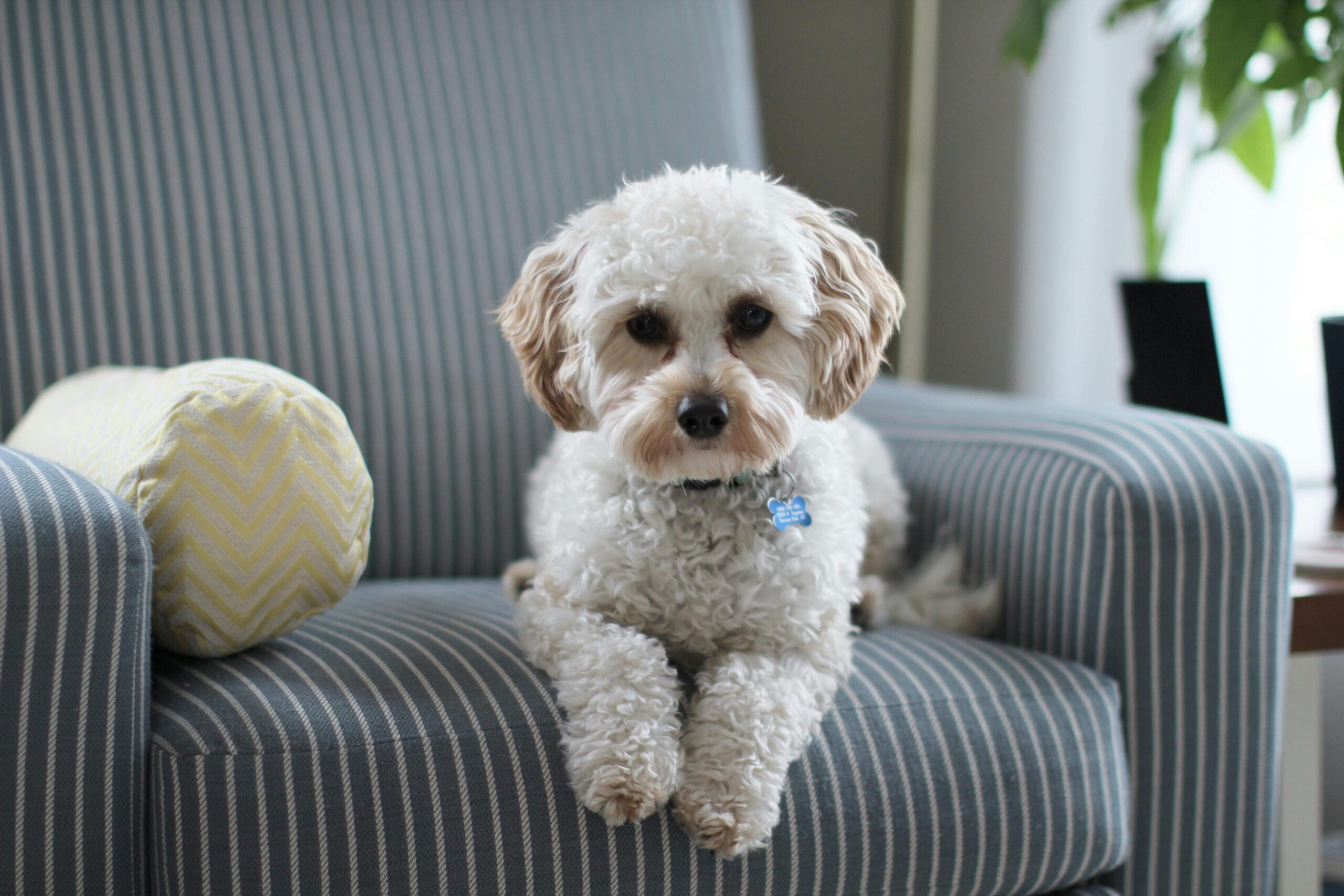
What is a hernia in a dog?
A hernia in a dog is a condition in which internal organs, such as the intestines, push out of the abdominal cavity through a weakened spot in the abdominal wall. Abdominal hernias are the most common and can result from congenital anatomical defects, injury or weakened muscles. As a result, a visible bulge may appear in the affected area, which can grow or shrink depending on the dog’s position and activity. A hernia can be dangerous: if organs become trapped, they may be damaged, which can put the dog’s life at risk. Early diagnosis and appropriate intervention are key to minimising the risk of complications.
Types of hernia in dogs
There are several types of hernia in dogs, the most common being abdominal, umbilical, inguinal and diaphragmatic hernias. An abdominal hernia occurs when internal organs such as the intestines protrude through a weak spot in the wall of the abdominal cavity. An umbilical hernia affects the area around the navel and is common in puppies as a congenital defect. An inguinal hernia occurs when organs push through the inguinal canal, which is more common in males. A diaphragmatic hernia, on the other hand, occurs when internal organs shift into the chest cavity through a weakness in the diaphragm, which can affect breathing. Each of these types requires proper diagnosis and treatment to avoid serious health complications.
Dog breeds most prone to hernias
Some dog breeds are particularly prone to hernias, which is often linked to genetic and anatomical predispositions. The risk group includes breeds such as the Yorkshire Terrier, Chihuahua, Bulldog, French Bulldog and Pekingese. In these breeds, body build – including excess weight, short legs and a short head, as well as a characteristic weakness of the abdominal muscles – can encourage hernias to form. In addition, factors such as congenital anatomical defects, which can occur in some dogs, increase the risk. In puppies these problems can also be hereditary, which contributes to the higher incidence of hernias in certain breeds. Owners of breeds prone to hernias should be especially vigilant and consult their veterinarian regularly to keep an eye on their pet’s health.
Puppies are particularly susceptible to hernias, both congenital and acquired. In puppies, congenital umbilical hernias are the most common and can often be noticed straight after birth. Owners should watch for any worrying signs such as vomiting, loss of appetite or whimpering, which may indicate more serious health problems.
Causes of hernias in dogs
Hernias in dogs can have a variety of causes, which can be divided into congenital and acquired. Congenital hernias are often present in puppies and are the result of anatomical defects that may stem from a genetic predisposition. Acquired hernias, in turn, can develop as a result of injuries such as falls, road accidents or intense physical activity that weaken the abdominal muscles. Other factors, such as obesity, chronic coughing or vomiting, can further increase the risk of a hernia because they raise the pressure inside the abdominal cavity. Regular monitoring of your dog’s health and avoiding situations that could lead to injury can help prevent hernias from developing.
Symptoms of hernias in dogs
The symptoms of a hernia in dogs vary and depend on the type and location of the hernia. Most often, owners notice a visible lump or bulge on the abdomen, which may shrink or grow depending on the dog’s position. Other signs may include pain in the affected area, possibly accompanied by general symptoms such as reluctance to eat, vomiting, difficulty passing stools, lethargy or inactivity. With an umbilical or inguinal hernia, additional problems such as coughing or difficulty breathing may occur, especially if internal organs enter the chest cavity. Any unusual symptoms should prompt the owner to seek urgent veterinary advice to minimise the risk of serious health complications.
Treatment
Treating a hernia in dogs usually requires surgery, although in some cases minor hernias can simply be monitored. Treatment options include:
Summary
A hernia in a dog is a serious health problem that requires prompt diagnosis and treatment. Dog owners should be alert to the symptoms of this condition and always consult a veterinarian if in any doubt. The 24-hour Zviropolis Veterinary Clinic has specialists in surgery and orthopaedics as well as experienced internal medicine veterinarians. If you notice worrying symptoms in your pet, contact us for expert help and advice on diagnosis and treatment. Our specialists will give your pet comprehensive care to identify the problem quickly and effectively and put the right treatment in place. Your trust and your pet’s health are what matter most to us!