
-
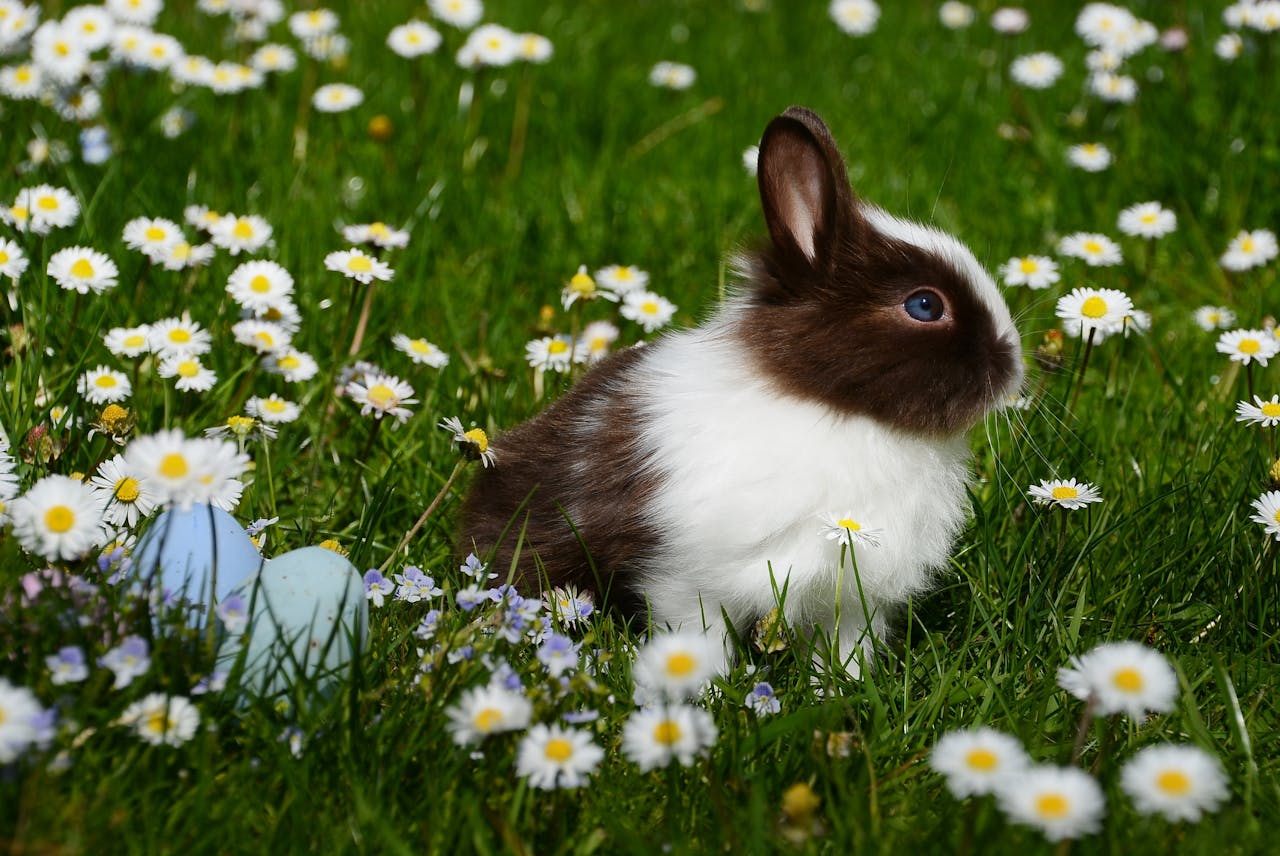
Parasitic diseases in rabbits: the commonest threats and how to prevent them
Coccidiosis, encephalitozoonosis, ear mange and cheyletiellosis are the parasitic diseases pet rabbits meet most often, and they can go unnoticed for a long time. We explain how they are diagnosed in the laboratory, how they are treated, and which hygiene, quarantine and feeding rules keep infection at bay.
-
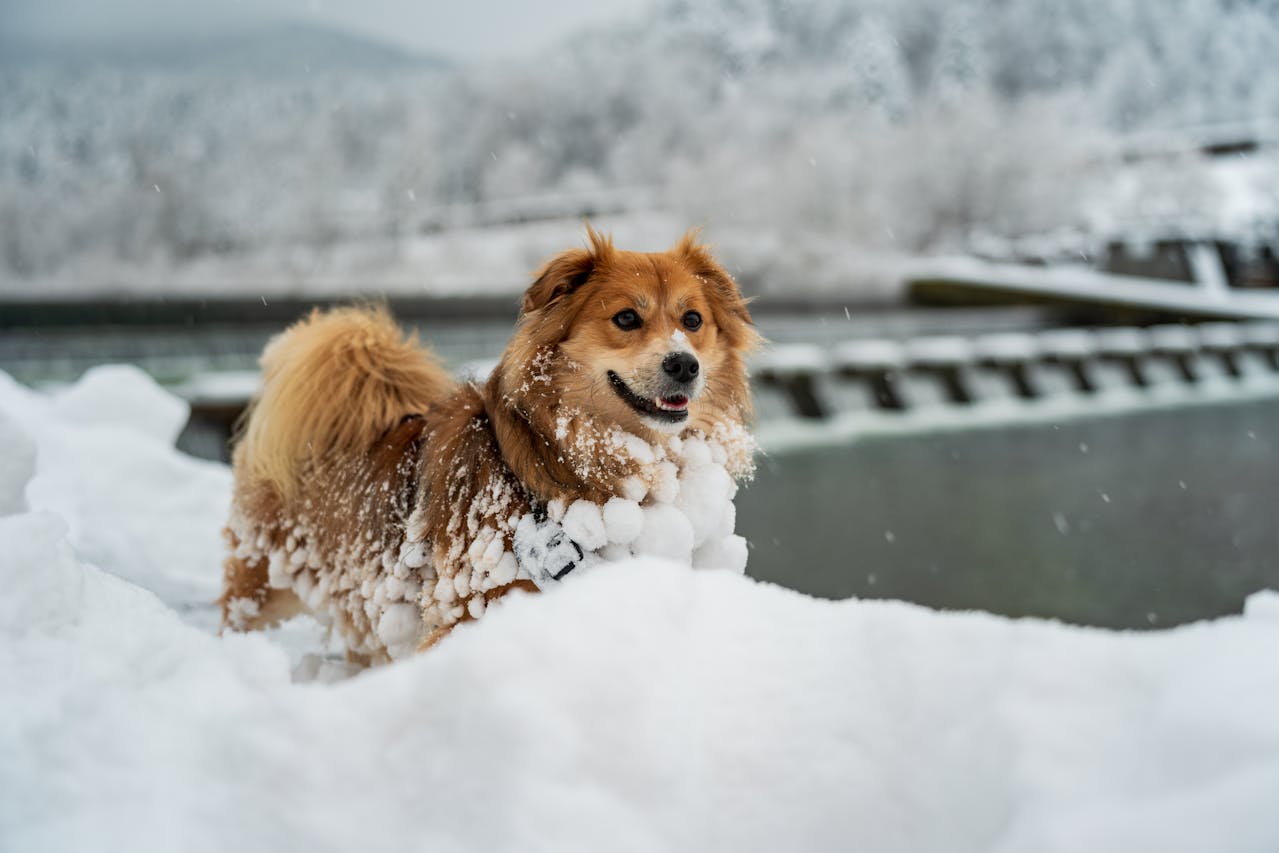
How to protect your dog’s paws in winter
Frost, ice and road salt leave a dog's pads irritated, cracked and sometimes frostbitten every winter. We explain how to pick a route and a protective wax before the walk, how to rinse and dry the paws properly once you are home, and which signs mean it is time to call the veterinary clinic.
-
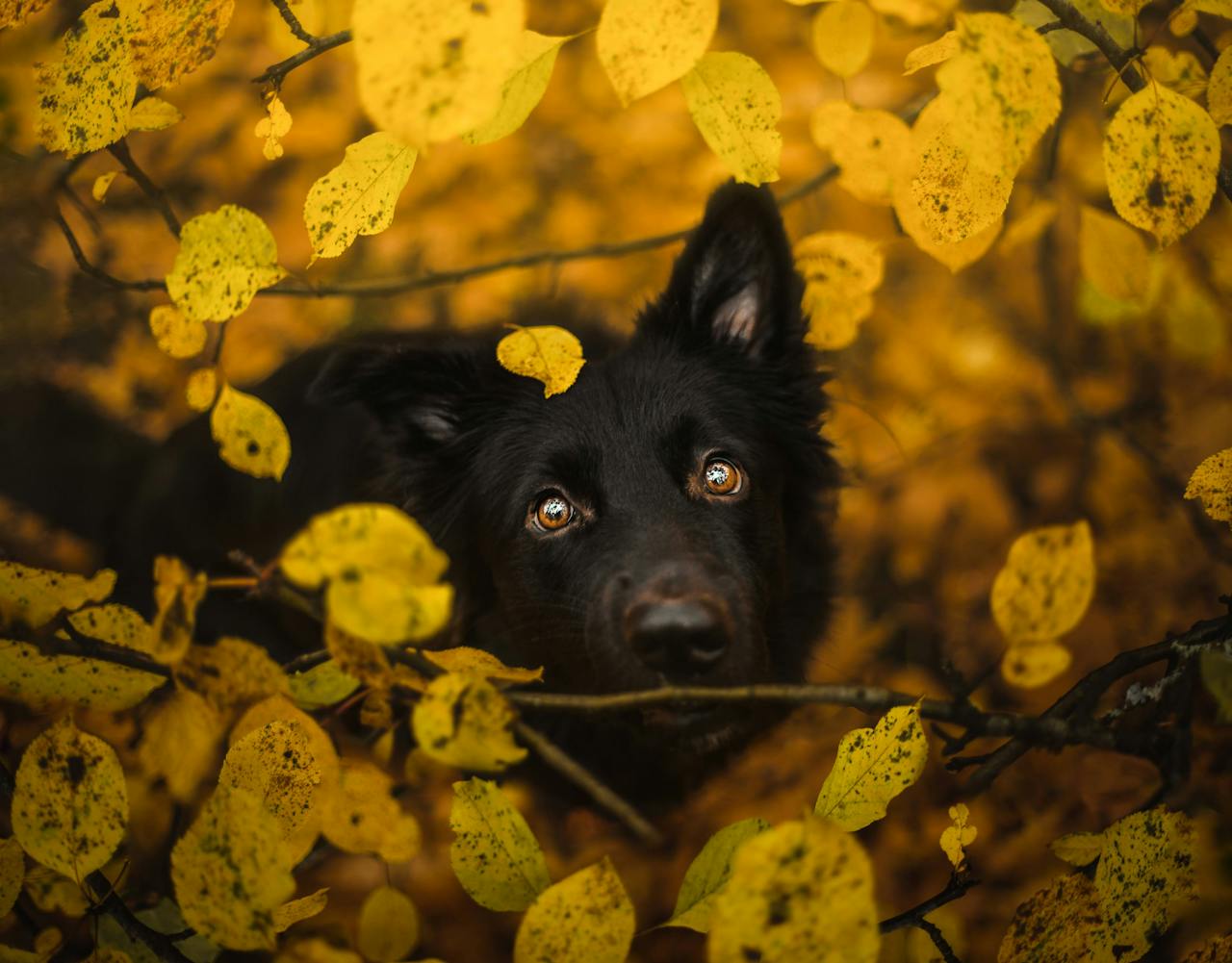
Horner’s syndrome in dogs and cats: signs, causes, diagnosis and treatment
A drooping eyelid, a smaller pupil and a visible third eyelid on one side add up to Horner's syndrome. It is not painful in itself and does not harm sight, but it often signals another, more serious condition underneath. We explain the causes, the diagnostic steps, the pharmacological tests and the treatment options.
Gastric torsion in dogs. What it is and how to recognise it
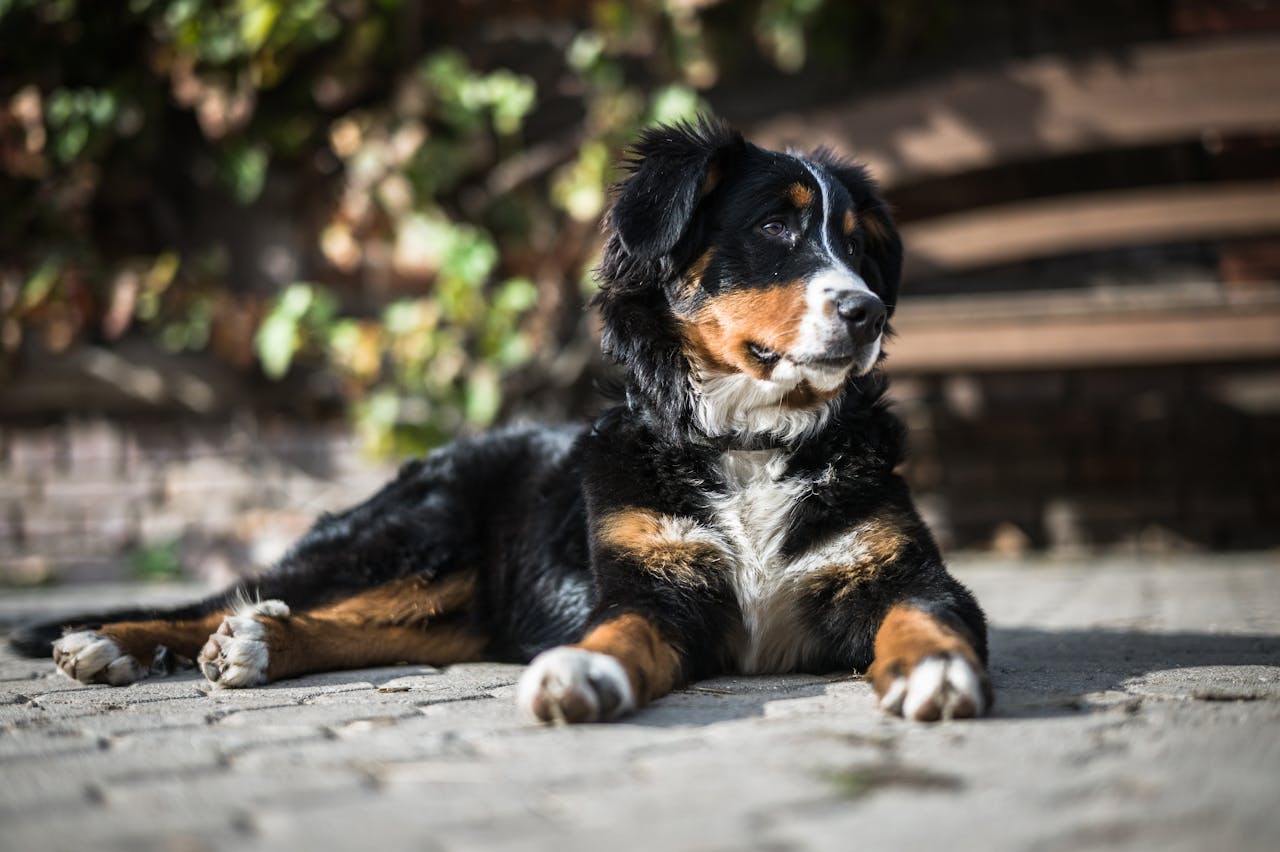
Gastric torsion, also known as gastric dilatation-volvulus (GDV), is an emergency and life-threatening condition that requires immediate veterinary intervention. It is a disorder in which the dog’s stomach fills with gas, fluid or food, distends and then twists around its own axis. This twist cuts off the blood supply to the stomach and spleen, and the animal’s condition deteriorates rapidly. As a dog owner, it is extremely important that you can recognise the signs of gastric torsion, because a fast response can save your pet’s life.
Signs of gastric torsion you must not miss
Recognising the signs is crucial to getting help in time. They usually appear suddenly and escalate fast. Above all, look out for a swollen, distended abdomen, particularly in its upper part. The belly may feel hard and tight to the touch. The dog may show signs of severe pain, such as restlessness, attempts to vomit that bring up no stomach contents (so-called “dry vomiting” or retching), drooling, and excessive panting and rapid breathing. The animal may also become apathetic and weak, with pale mucous membranes and difficulty moving. In advanced cases collapse may follow. Remember that any one of these signs, even on its own, should prompt you to contact a veterinarian immediately.
What to do if you suspect gastric torsion
If you suspect your dog has gastric torsion, the most important thing is to act immediately. Do not wait for the signs to worsen: every minute counts. Contact a veterinary clinic as quickly as you can and tell them what you suspect. The veterinarian will be able to give you instructions and prepare to receive the patient. Do not try to relieve the dog yourself, for instance by giving medication or trying to induce vomiting. That can make its condition worse. Transport the dog gently, avoiding extra stress and jolting. Professional veterinary care is the only chance of saving the animal’s life in such a situation.
Diagnosis and treatment: what to expect at the clinic
Once you arrive at the veterinary clinic with a dog suspected of gastric torsion, the team will begin the diagnostic process at once and start life-saving treatment. The first step is usually stabilising the patient, which involves intravenous fluids to counter shock, pain relief and, in some cases, decompressing the stomach with a stomach tube or trocar to reduce the pressure. The diagnosis is usually confirmed by an X-ray, which clearly shows the enlarged, rotated stomach.
Treatment of gastric torsion is always surgical. The operation involves returning the stomach to its correct position, assessing the internal organs (especially the stomach and spleen, which may have been damaged by loss of blood supply) and, in most cases, performing a gastropexy. Gastropexy is a procedure in which the stomach is stitched to the inner wall of the abdomen to prevent the torsion recurring. It is a very important part of the operation, because without it the risk of another twist is very high.
How to reduce the risk of gastric torsion
Although gastric torsion cannot be ruled out entirely, there are steps that can help reduce the risk of it happening. Above all, avoid feeding your dog one large meal a day. It is better to give smaller portions more often. It is also important to limit your dog’s physical activity straight after a meal, especially vigorous running or jumping. Wait at least an hour after eating before resuming exercise. For large and giant breeds, which are particularly prone to gastric torsion (Great Danes, setters and Irish wolfhounds, for example), it is worth considering a raised feeding bowl, although opinion on this is divided and it is always worth discussing with your veterinarian. In some cases, for breeds at particularly high risk, a veterinarian may recommend a preventive gastropexy, which fixes the stomach to the abdominal wall so that it cannot rotate. Regular check-ups and looking after your dog’s general health also play an important part in prevention.
Prognosis and post-operative care
Gastric torsion is a very serious condition, and the prognosis depends on many factors, including how quickly treatment begins, how badly the organs are damaged and the dog’s general health. The sooner treatment is started, the greater the chances of a full recovery. Sadly, complications can arise even after a successful operation, such as cardiac arrhythmias, kidney failure or peritonitis. For that reason post-operative care is extremely important and usually calls for a hospital stay of several days under close veterinary supervision.