

-

Parasitic diseases in rabbits: the commonest threats and how to prevent them
Coccidiosis, encephalitozoonosis, ear mange and cheyletiellosis are the parasitic diseases pet rabbits meet most often, and they can go unnoticed for a long time. We explain how they are diagnosed in the laboratory, how they are treated, and which hygiene, quarantine and feeding rules keep infection at bay.
-

How to protect your dog’s paws in winter
Frost, ice and road salt leave a dog's pads irritated, cracked and sometimes frostbitten every winter. We explain how to pick a route and a protective wax before the walk, how to rinse and dry the paws properly once you are home, and which signs mean it is time to call the veterinary clinic.
-
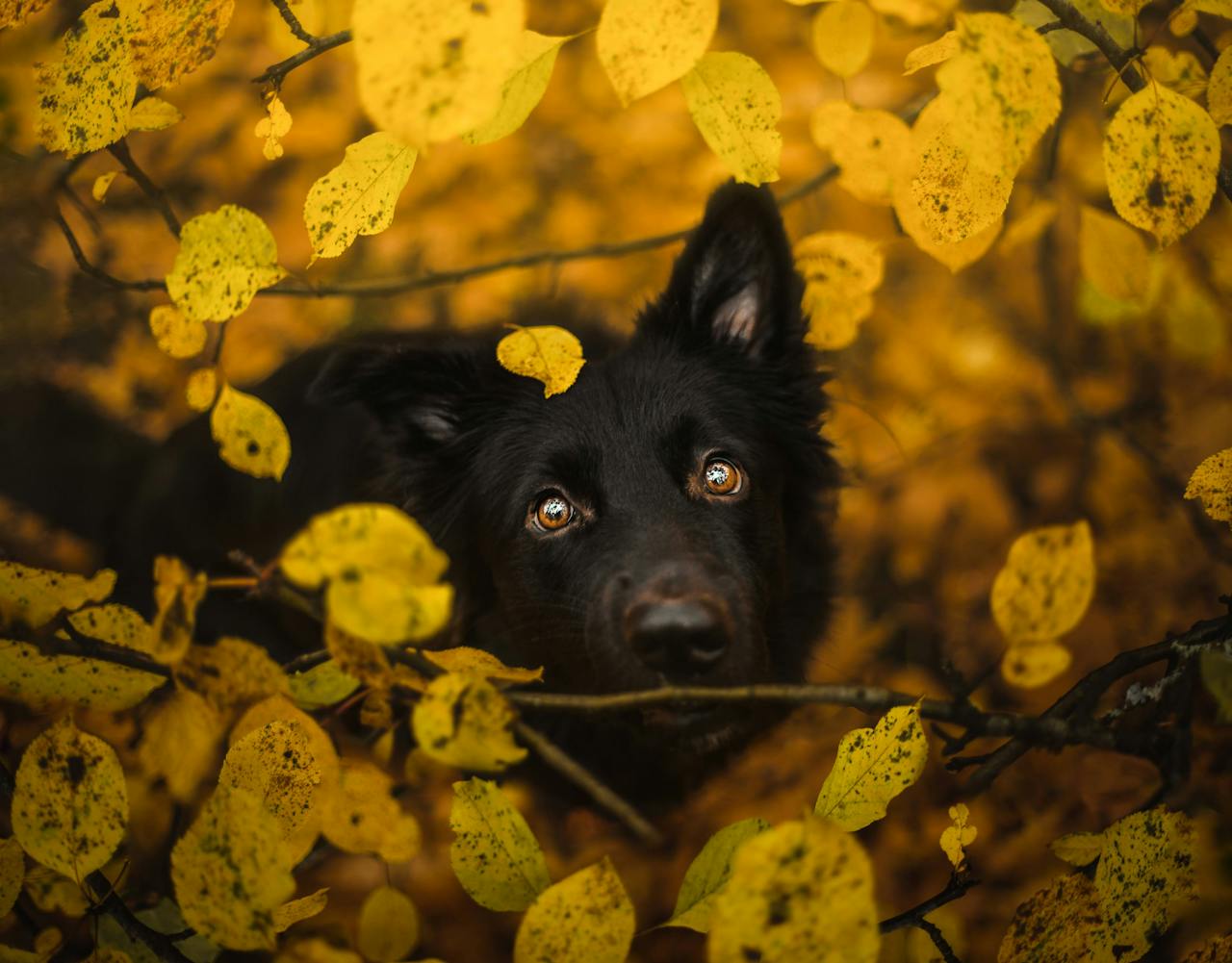
Horner’s syndrome in dogs and cats: signs, causes, diagnosis and treatment
A drooping eyelid, a smaller pupil and a visible third eyelid on one side add up to Horner's syndrome. It is not painful in itself and does not harm sight, but it often signals another, more serious condition underneath. We explain the causes, the diagnostic steps, the pharmacological tests and the treatment options.
Fungal Infections in Dogs: Types, Symptoms and Treatment

Fungal infections in dogs: what are they?
A fungal infection in dogs is an infection caused by fungi that can take various forms and affect different parts of the animal’s body. The most common types in dogs are fungal skin infections, fungal nail infections and infections of the internal organs. Knowing the symptoms and treatment options is key to a prompt diagnosis and effective therapy.
Types of fungal infection in dogs
Breeds most at risk
Dogs with a weakened immune system are particularly prone to fungal infections, as are those living in conditions that favour fungal growth, such as a warm, damp environment. Long-haired breeds such as dachshunds, German shepherds and cocker spaniels may be more susceptible to fungal skin infections because their coats are harder to keep dry and clean, which encourages fungi to grow. Dogs that frequently mix with other animals or spend time in public places such as dog parks or kennels are also in a higher risk group. Owners should pay particular attention to these breeds and their overall health: being aware of the risk helps to detect and treat a fungal infection sooner.
Causes of fungal infections in dogs
Fungal infections in dogs can have a number of causes that encourage the infection to develop. One of the main factors is a weakened immune system, which may result from chronic conditions such as diabetes, cancer or kidney failure, as well as from stress or a poor diet. Dogs that are poorly fed or have nutritional deficiencies are more prone to infection. Another important factor is a warm, damp environment, which favours fungal growth; dogs living in such conditions, for example in damp rooms or in areas with high humidity, are therefore more exposed. Contact with infected animals or with infectious spores in the environment, for instance in shelters or at breeders, is an additional risk. Other predisposing factors include skin injuries, which can allow fungi to penetrate the tissues, and certain skin conditions that weaken the skin’s natural protective barrier. Finally, the genetic predisposition of some breeds can also raise the risk of fungal infection, which is why a conscientious approach to health and hygiene is central to prevention.
Symptoms of fungal infections in dogs
The most commonly seen symptoms are those of dermatophytosis, which shows on the skin. Owners may notice patches of hair loss. The skin around these lesions may be red, itchy and flaky, so the dog scratches frequently, which in turn can lead to secondary infections. A fungal skin infection may also be accompanied by an unpleasant odour caused by the infection.
Fungal nail infections show up as brittle, crumbling and discoloured nails; the dog may be in pain, leading to an abnormal gait or a reluctance to use the affected paw.
In more severe cases, particularly systemic fungal infections, the symptoms may be more general and harder to pin down. They can include coughing, shortness of breath, excessive drooling, loss of appetite, weakness and fever.
With a fungal infection of the lungs, dogs may show respiratory signs such as wheezing or difficulty breathing. Any worrying symptoms should prompt owners to consult a veterinarian straight away so that a diagnosis can be made and treatment started in good time, because early intervention is key to a full recovery.
Treatment options
Treating a fungal infection in a dog depends on the type of infection, and the therapy is tailored to each individual case. The most common form, dermatophytosis, requires a combination of topical and systemic treatment. Therapy usually involves antifungal medication in the form of tablets, drops or ointments applied to the affected areas. Medicated baths in antifungal solutions also help to cleanse the skin and remove fungal spores.
For fungal nail infections, treatment may involve removing the infected nails or applying antifungal ointments to the affected claws.
More severe systemic infections call for more advanced veterinary intervention. This may include stronger antifungal drugs given orally or intravenously, along with regular monitoring of the dog’s condition through follow-up examinations. In some situations, particularly when the disease is advanced, treatment can be lengthy and requires working closely with the veterinarian to establish the best possible treatment plan.
Hygiene and care of the dog’s surroundings are also an important part of treatment. Regularly cleaning the area where the animal lives and disinfecting toys, bedding and accessories help to eliminate potential sources of infection. Owners should also follow the veterinarian’s advice on continuing therapy and keep an eye on the dog’s condition so they can respond quickly to any worrying signs.
Preventing fungal infections in dogs
Prevention is a key part of looking after a dog’s health and wellbeing. Above all, it is important to provide suitable living conditions, including keeping the area where the dog spends its time clean and dry. Regularly cleaning bedding, toys and any accessories that get damp with saliva or sweat helps to reduce the risk of fungal infection. Owners should also brush their dog’s coat regularly to remove dead hair and skin, which likewise limits the chance of fungi multiplying. When grooming your dog, look out for any skin injuries or worrying signs such as itching or skin changes so you can act quickly on potential problems.
Regular veterinary check-ups and vaccinations also help to strengthen the dog’s immune system and reduce its susceptibility to infection. If your dog often mixes with other animals, for example in parks or shelters, it is worth being especially vigilant and avoiding contact with infected animals. A balanced, nutrient-rich diet helps to maintain a healthy immune system, which further minimises the risk of fungal infection.
Summary
Effective prevention of fungal infections in dogs rests on a many-sided strategy that covers both good hygiene and regular health monitoring. With the right grooming and healthcare routines, owners can significantly reduce the risk of fungal infection. It is also important to be aware of the potential dangers and to respond early to any worrying symptoms, which helps to head off health problems sooner. A careful approach to prevention contributes to a longer and healthier life for your dog!