

-

Parasitic diseases in rabbits: the commonest threats and how to prevent them
Coccidiosis, encephalitozoonosis, ear mange and cheyletiellosis are the parasitic diseases pet rabbits meet most often, and they can go unnoticed for a long time. We explain how they are diagnosed in the laboratory, how they are treated, and which hygiene, quarantine and feeding rules keep infection at bay.
-

How to protect your dog’s paws in winter
Frost, ice and road salt leave a dog's pads irritated, cracked and sometimes frostbitten every winter. We explain how to pick a route and a protective wax before the walk, how to rinse and dry the paws properly once you are home, and which signs mean it is time to call the veterinary clinic.
-

Horner’s syndrome in dogs and cats: signs, causes, diagnosis and treatment
A drooping eyelid, a smaller pupil and a visible third eyelid on one side add up to Horner's syndrome. It is not painful in itself and does not harm sight, but it often signals another, more serious condition underneath. We explain the causes, the diagnostic steps, the pharmacological tests and the treatment options.
Eye tumours in cats: what owners need to know
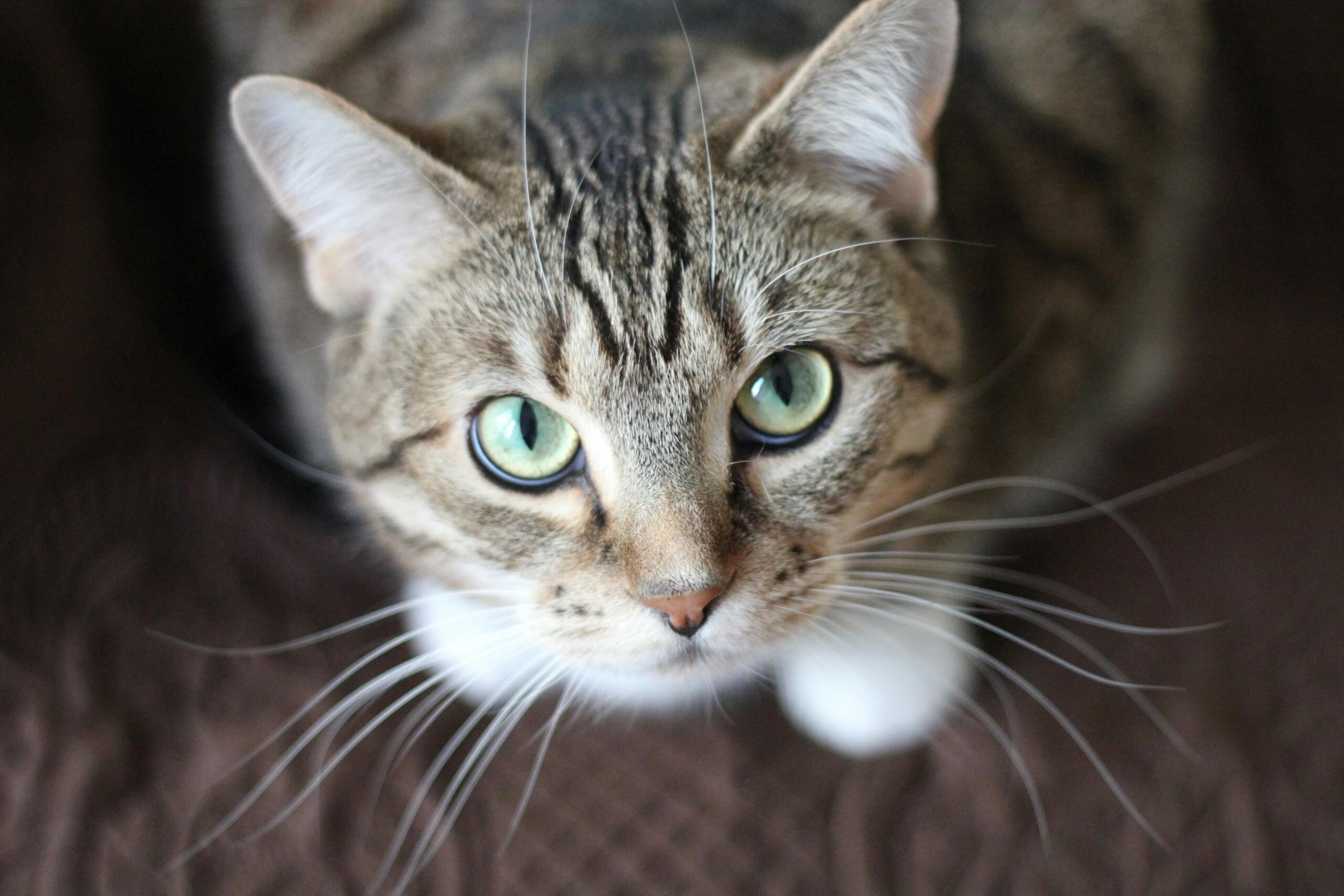
Eye tumours in cats are relatively uncommon, but they are serious conditions that can have a real impact on a pet’s health and wellbeing. It is very important for owners to know the signs, the types of tumour that occur and the treatment options available.
What is an eye tumour in cats?
An eye tumour in a cat is an uncontrolled growth of cells that can damage the structures of the eye and the surrounding tissues. There are several main types of eye tumour in cats, including benign growths such as those of the choroid, and malignant tumours such as sarcomas and squamous cell carcinoma. Sarcomas, including soft tissue sarcomas and vascular sarcomas, are most often found in the tissues around the eyeball, while squamous cell carcinoma frequently affects light-coloured cats, particularly on the eyelids and conjunctiva. Among tumours of the eyeball itself, growths arising from pigment-producing tissue are relatively common. The most important of these are limbal melanocytoma, uveal melanocytoma and feline diffuse iris melanoma.
Signs of an eye tumour
The signs of an eye tumour in a cat vary and are often subtle at first, which makes early diagnosis difficult. One of the most noticeable is a change in the appearance of the eyeball, caused by enlargement or distortion of the eye. The cat may show redness and irritation of the cornea, along with watering or discharge from the eye, which may be purulent, bloody or clear depending on the nature of the growth. Many cats with eye tumours show signs of pain, which may appear as increased sensitivity around the eye, avoidance of touch, or aggression when the area around the eye is being cleaned.
Tumours can also impair vision, so the cat may avoid brightly lit rooms and show less interest in play. In some cases neurological signs appear, such as seizures or loss of balance, particularly when the tumour invades neighbouring structures. Another possible sign is proptosis of the eyeball, a serious condition that requires immediate veterinary attention. Cats may also show systemic signs such as lethargy, loss of appetite or weight loss, which point to an advanced stage of the disease.
Diagnosis
The first step is a detailed ophthalmic examination by a veterinarian, who assesses the overall condition of the eyes and looks for changes in their appearance, such as growths, swelling or discharge. Ophthalmoscopy may also be needed: a detailed examination of the inside of the eye that allows structural changes in the retina and the ocular membranes to be assessed.
Imaging is worth carrying out to confirm the findings and establish the nature of the growth. Ocular ultrasound allows deeper structures to be assessed and any spread to other tissues to be detected. In more complicated cases the vet may request a CT scan or magnetic resonance imaging (MRI), which provide detailed anatomical images.
Laboratory tests such as cytology or biopsy are also crucial in establishing the nature of the tumour. Cytology involves taking cells from the growth and examining them under a microscope, while a biopsy allows a more detailed examination of a piece of tissue. The results of these tests are invaluable in determining the type of tumour and choosing the right treatment plan.
Treatment
Treatment of an eye tumour in a cat depends on the type and stage of the tumour, as well as the animal’s general health. With malignant tumours, surgical removal is often the cornerstone of treatment. In many cases removing the growth, particularly when it is confined to the eyeball or the surrounding tissues, brings a marked improvement in health or even a cure. Sometimes, where there are extensive changes inside the eye or the disease has spread, the whole eyeball has to be removed (enucleation) to prevent the tumour spreading further.
As well as surgery, combined treatment such as radiotherapy or chemotherapy may be used for tumours that are difficult to remove completely. Radiotherapy is particularly effective for tumours deep within the eye, or where surgery is not possible because of the cat’s other health problems. Chemotherapy is used less often for eye tumours, but it also has a place, particularly in treating lymphoma.
Caring for a cat with an eye tumour
Such care calls for particular attention and thought, so that the cat is comfortable and supported through a difficult course of treatment. Above all, monitor your cat’s health regularly, watching for any changes in behaviour, appetite and stamina, and for physical signs such as swelling, discharge from the eye or a change in the appearance of the eyeball. It is also worth giving your cat a quiet, comfortable place to rest with as little stress and as few external stimuli as possible, since these can affect how it feels.
An important part of care is following the vet’s instructions on treatment, including giving painkillers or anti-inflammatory medication if these have been prescribed. Eye hygiene matters too, for instance gently wiping away any discharge.
Diet is another important factor in a cat’s health. It is worth consulting your vet about a feeding plan that supports treatment and improves overall health. Keeping cats mentally and physically active through play and stimulation can also lift their mood and quality of life considerably.
Prognosis
The outlook for cats with an eye tumour varies and depends on many factors, such as the type of tumour, where it is, how advanced it is and the animal’s general health. Malignant tumours such as squamous cell carcinoma and sarcomas usually carry a poorer prognosis, especially at an advanced stage with spread to other organs. Where the tumour is caught early and surgery is successful, however, the prognosis can be much better, and cats have a good chance of living longer and with a better quality of life.
Summary
An eye tumour in a cat is a complex health problem that requires prompt diagnosis and appropriate treatment in order to minimise the risk of serious complications. Given the variety of tumour types, their signs and the diagnostic methods involved, any suspicion of a tumour should be taken seriously. Proper care of a sick animal is crucial to its comfort and quality of life. Understanding the prognosis and staying open to all the available treatment options makes it easier to manage this difficult condition and to support both cats and their owners through a hard time.