

-

Parasitic diseases in rabbits: the commonest threats and how to prevent them
Coccidiosis, encephalitozoonosis, ear mange and cheyletiellosis are the parasitic diseases pet rabbits meet most often, and they can go unnoticed for a long time. We explain how they are diagnosed in the laboratory, how they are treated, and which hygiene, quarantine and feeding rules keep infection at bay.
-

How to protect your dog’s paws in winter
Frost, ice and road salt leave a dog's pads irritated, cracked and sometimes frostbitten every winter. We explain how to pick a route and a protective wax before the walk, how to rinse and dry the paws properly once you are home, and which signs mean it is time to call the veterinary clinic.
-
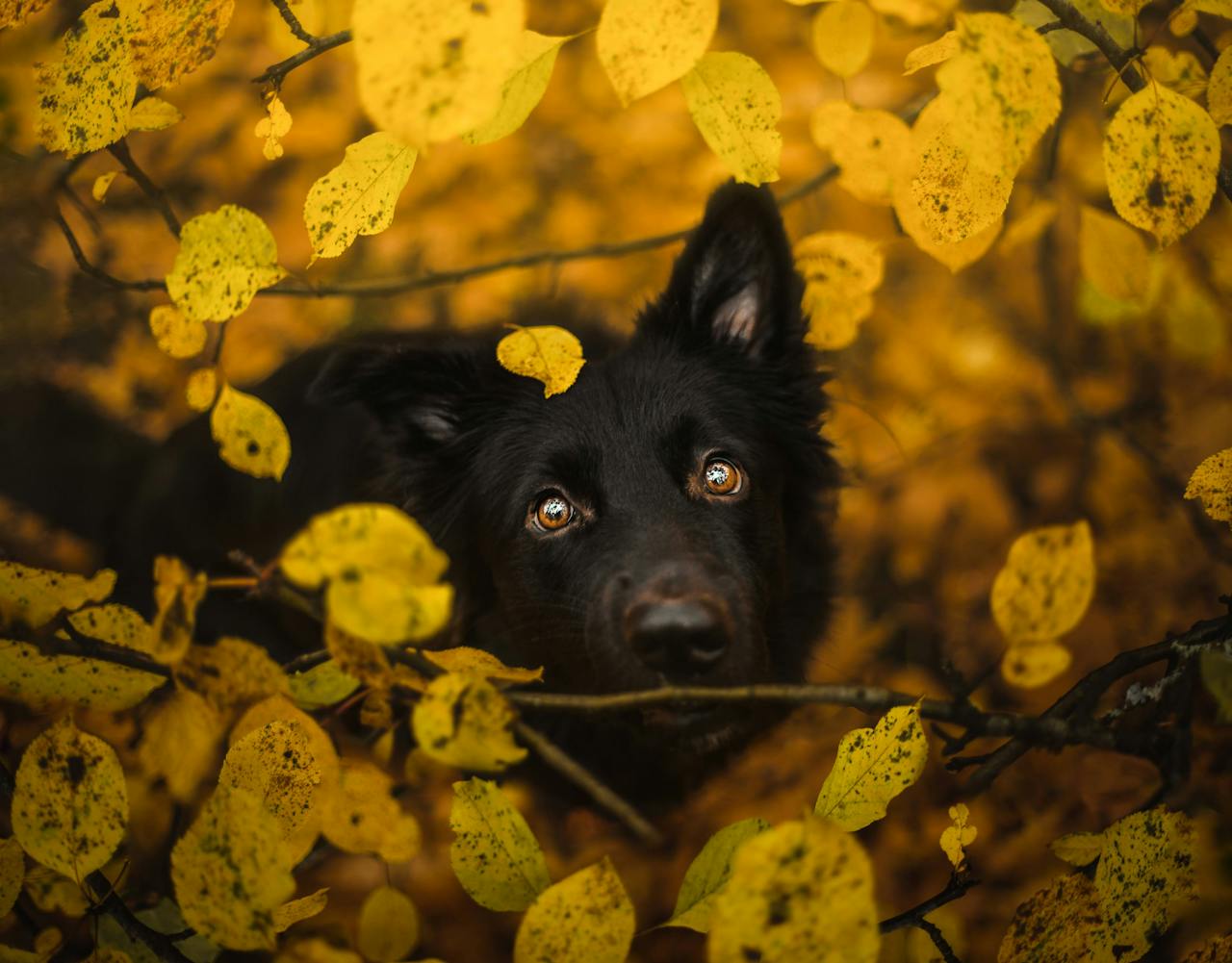
Horner’s syndrome in dogs and cats: signs, causes, diagnosis and treatment
A drooping eyelid, a smaller pupil and a visible third eyelid on one side add up to Horner's syndrome. It is not painful in itself and does not harm sight, but it often signals another, more serious condition underneath. We explain the causes, the diagnostic steps, the pharmacological tests and the treatment options.
Exotic animals as pets: what you should know. The legal and practical side of keeping less usual animals
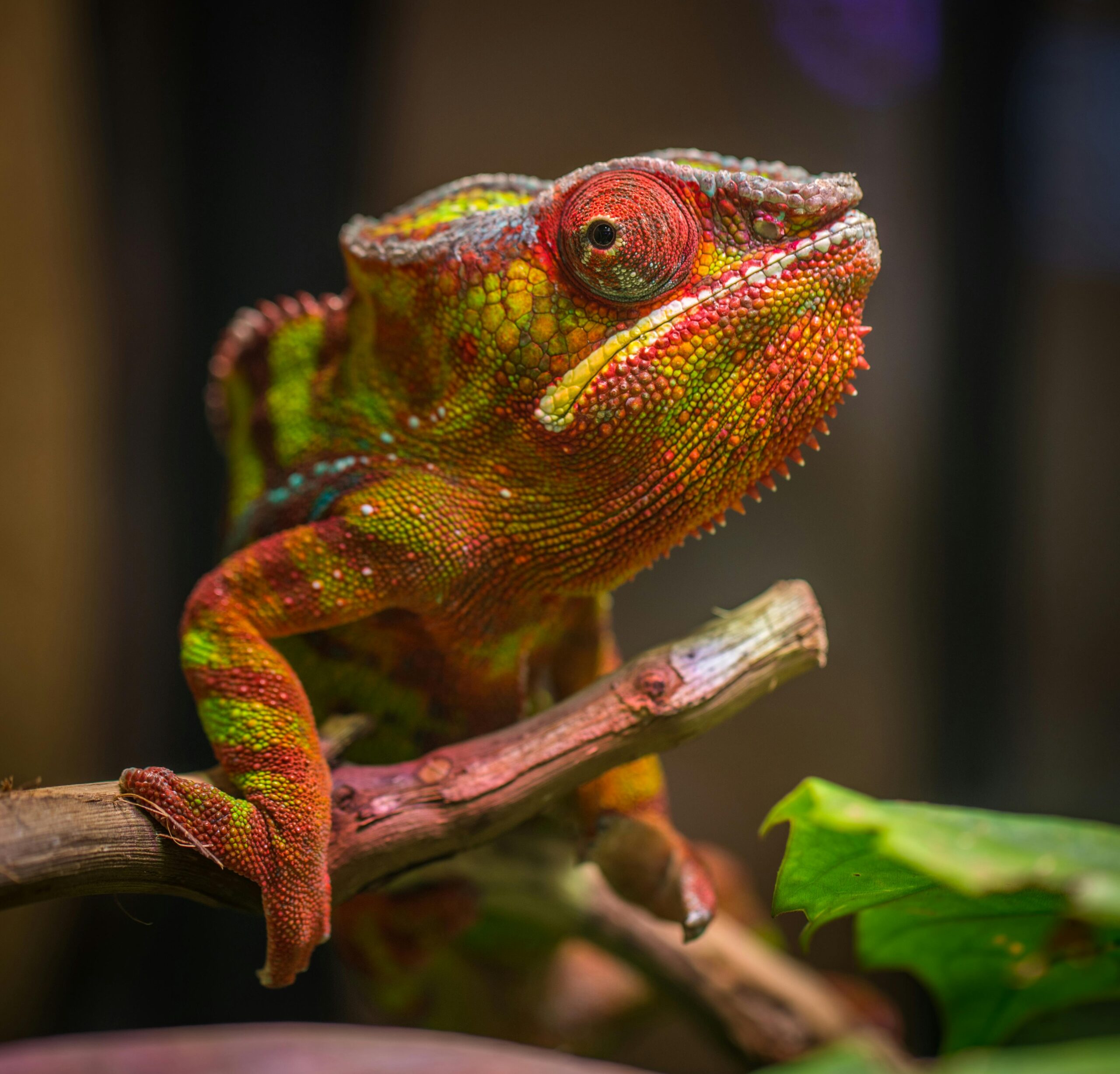
Exotic animals are becoming ever more popular as companions in our homes. Often seen as a curiosity, they can bring a great deal of pleasure, but keeping them also brings certain challenges.
The legal side of keeping exotic animals
Before deciding to buy an exotic animal, it is important to familiarise yourself with local legislation. Many countries have strict rules on keeping exotic species in order to protect both the animals and the environment. In Poland, for example, certain species of reptile, bird and mammal may be kept, but there are also species that are banned outright or require a special permit.
The legality of the trade in exotic animals matters just as much. Many species available in pet shops may come from illegal trade, which brings further legal consequences for the buyer. It is therefore always worth checking where the animal came from and making sure the seller is operating within the law.
Restrictions on keeping exotic animals in Poland
Poland has rules governing the keeping of exotic animals, and some species may not be kept at all. These include certain venomous snakes such as cobras and rattlesnakes, which pose a potential danger to people and other animals. In addition, many reptiles, among them protected species of tortoise, fall under CITES and national rules that prohibit keeping them without the appropriate permits. Banned mammals include large predators such as lions and tigers, both for safety reasons and to protect these species. Some birds of prey, such as hawks and eagles, are protected too and may not be kept without a permit. Restrictions may also apply to certain exotic fish that could threaten native ecosystems. For all these reasons, before deciding to keep an exotic animal it is worth consulting the local environmental protection or veterinary authorities and checking whether the species in question may legally be kept.
Housing requirements and caring for exotic pets
Every exotic animal has its own particular requirements when it comes to environment, feeding and care. Some snake species, for instance, need a specific temperature and humidity, while others, such as certain birds, need plenty of space to fly and contact with a natural setting. It is essential that a prospective owner looks closely into the needs of their new pet and adapts conditions at home to match them.
It is also worth noting that some exotic animals live considerably longer in captivity than their wild counterparts. That means deciding to keep one is a commitment for many years rather than a passing fashion. Having the right experience and knowledge of how to care for such an animal is crucial to its health and wellbeing.
The health and diet of exotic animals
The diet of exotic animals is often quite unlike what we are used to with more familiar pets such as dogs and cats. Many need specialist food, and sometimes even live prey, which can be both unpleasant and difficult to arrange. An unsuitable diet can also lead to serious health problems, which is why it is important to consult a veterinarian who specialises in exotic animals.
Regular veterinary check-ups are equally important in keeping exotic pets healthy. Many of these animals can carry diseases that are unknown in more common household pets, so it is important to keep up with current health recommendations.
Veterinary care for exotic animals
Exotic animals such as snakes, lizards, tropical birds and even some mammal species need specialist veterinary care that differs considerably from what is available for traditional pets such as dogs and cats. It should be stressed that not every veterinarian has the experience and qualifications needed to diagnose and treat exotic species. Before deciding to buy such an animal, then, it is worth checking carefully whether there are vets in your area who specialise in exotic pets.
Regular check-ups and preventive care
Veterinary care for exotic animals should include regular health checks, which can help identify any problems at an early stage. Many diseases in exotic animals go undetected until the animal is seriously unwell, which is why prevention and early detection are so important.
During a consultation the vet may carry out a range of tests, such as blood work, faecal examination and, if needed, imaging.
Summary
Keeping exotic animals is a fascinating adventure, but one that calls for a well-considered decision and real commitment. Knowing the law, setting up the right living conditions and having access to qualified veterinary care all make a real difference to the quality of life of our exotic companions. It is worth approaching every stage responsibly and with care, from the purchase through everyday husbandry to regular health checks. That way we not only give our animals better conditions, but also get real pleasure and satisfaction out of the relationship.