

-
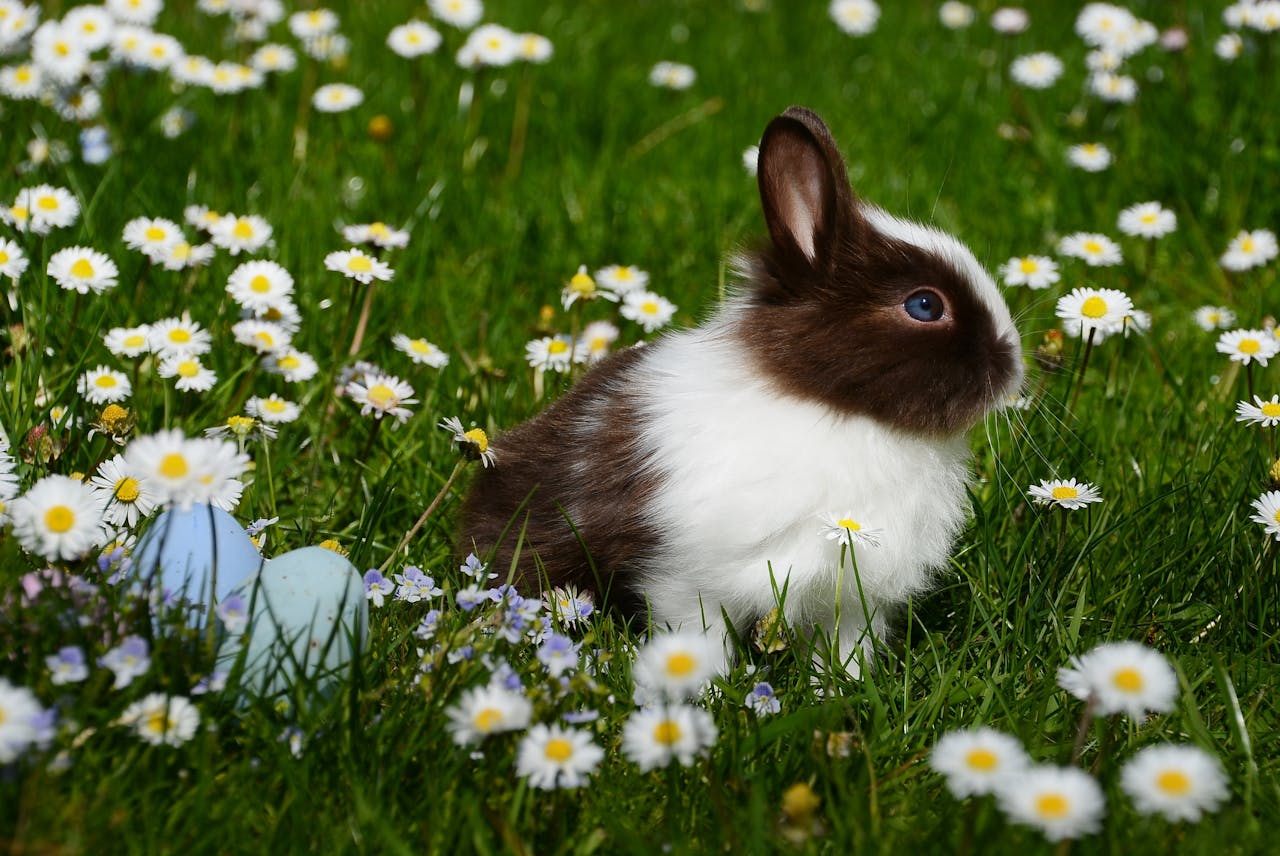
Parasitic diseases in rabbits: the commonest threats and how to prevent them
Coccidiosis, encephalitozoonosis, ear mange and cheyletiellosis are the parasitic diseases pet rabbits meet most often, and they can go unnoticed for a long time. We explain how they are diagnosed in the laboratory, how they are treated, and which hygiene, quarantine and feeding rules keep infection at bay.
-

How to protect your dog’s paws in winter
Frost, ice and road salt leave a dog's pads irritated, cracked and sometimes frostbitten every winter. We explain how to pick a route and a protective wax before the walk, how to rinse and dry the paws properly once you are home, and which signs mean it is time to call the veterinary clinic.
-

Horner’s syndrome in dogs and cats: signs, causes, diagnosis and treatment
A drooping eyelid, a smaller pupil and a visible third eyelid on one side add up to Horner's syndrome. It is not painful in itself and does not harm sight, but it often signals another, more serious condition underneath. We explain the causes, the diagnostic steps, the pharmacological tests and the treatment options.
Don’t stroke me! Why do some cats hate being touched?
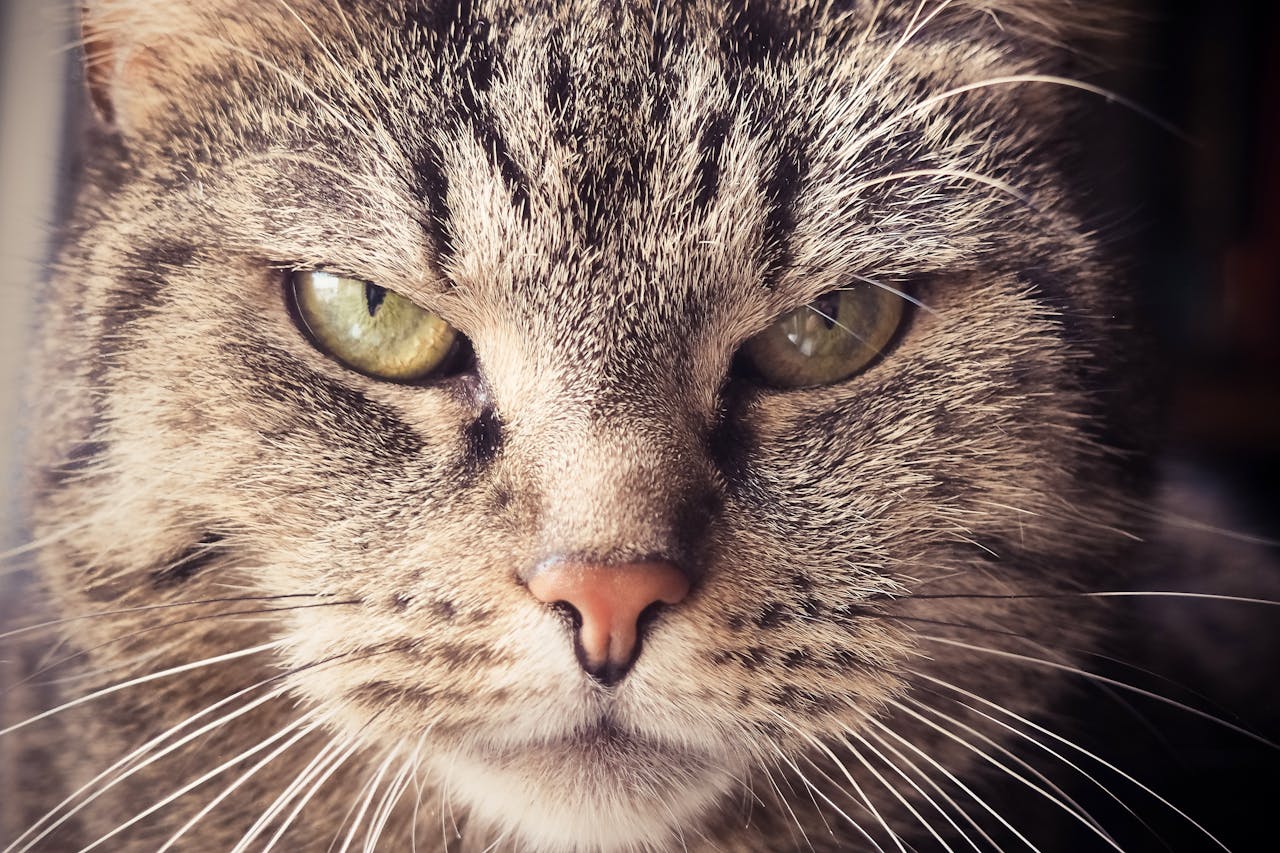
Cats have fascinated people for centuries with their mysterious nature and independent streak. Yet every cat owner knows that some of these animals respond to an attempted stroke with reluctance, or even aggression. What lies behind that? Here are a few reasons why certain cats cannot bear being touched.
Individual and breed preferences
Cats have distinctive personalities, and those personalities usually decide how they feel about physical contact. Both genetics and past experience shape their behaviour and their attitude to being stroked. Breeds such as the Ragdoll, Maine Coon, Persian and British Shorthair are often considered more sociable and friendly, happily accepting touch and actively seeking out their owners’ company. Ragdolls, for instance, are known for their gentle nature and affection towards people. Maine Coons, too, are usually open and friendly, though they can show a certain independence depending on their mood. Breeds like the Scottish Fold, Bengal, Russian Blue and Siamese, on the other hand, may be more self-contained and choosier about physical interaction. Bengals, for example, are energetic explorers who tend to prefer active play to passive cuddling. It is therefore important for owners to watch the signals their cat sends — the position of the ears and tail, the look in the eyes — to work out when the animal is ready for closeness. Understanding and respecting each cat’s individual preferences is the key to a strong relationship built on trust and comfort.
Past trauma
Cats that have suffered mistreatment or been through difficult situations in the past often become sensitive to touch and to human closeness. Such experiences change the way they see human hands, associating them with danger, which leads to fear or an aggressive reaction whenever someone tries to make physical contact. Many of these cats cannot trust their owners straight away, so a great deal of patience and understanding is needed. The essential thing is to introduce physical contact slowly and gradually, starting with gentle, undemanding steps such as simply sitting quietly near the animal or offering treats so that contact comes to be associated with something pleasant. In time, and with the right approach, a cat can be helped to overcome its fear and begin to build real trust, so that it can finally enjoy the affection and closeness people have to offer.
Skin hypersensitivity
Sometimes a cat’s dislike of being touched is the result of a hidden health problem, such as hypersensitive skin. Conditions of this kind can make even the gentlest stroking painful and unpleasant. Signs of skin hypersensitivity may include scratching, rubbing the body against objects and even avoiding people altogether. If an animal reacts badly to touch or behaves in a worrying way — grinding its teeth or making distressed noises — those signals should not be ignored. A consultation with a veterinarian may prove essential, as a specialist can diagnose possible skin conditions or other health problems such as allergies, infections or dermatological disease. Early diagnosis and appropriate treatment can improve a cat’s comfort considerably and help it cope far better at home.
Too much stimulation
Cats are remarkably sensitive to what goes on around them, so their reactions to different situations can be intense and varied. When a cat is under considerable stress or is tired, its ability to tolerate extra stimulation — touch or loud noises — drops sharply. At such moments an overload of stimuli can make the animal withdraw, turn jumpy or even become aggressive. Owners should watch for signs of sensory overload: hiding away, purring in an unusual way, scratching or holding the body in a tense posture. When that happens, it is important to give the cat plenty of space and time to rest, so that it can recover somewhere quiet and calm. Setting up a relaxation zone where the cat can hide and feel safe makes a real difference in managing its stress.
Don’t touch me! — the signals cats send us
First steps in getting a cat used to touch
Getting a cat used to being touched takes time, patience and sensitivity on the owner’s part. The crucial first step is to create a calm, safe atmosphere in which the cat feels comfortable. It is worth starting by letting the cat get used to your presence gradually — simply spending time in the same room without forcing any contact. Watch the cat’s signals; if it shows interest, you can slowly introduce gentle touches, beginning with the areas it usually tolerates, such as the head or under the chin. Positive reinforcement helps: offer a treat or a favourite toy when the cat responds well to being touched, so it comes to associate these moments with something enjoyable. Avoid sudden movements and loud noises, which can cause stress. The key to success is a patient approach and respect for the cat’s boundaries; over time this allows it to build trust and open up to human closeness.