
Contact us Make an appointment

Don’t ignore it! Why drooling in a cat can signal a serious health problem
ślinotok u kota

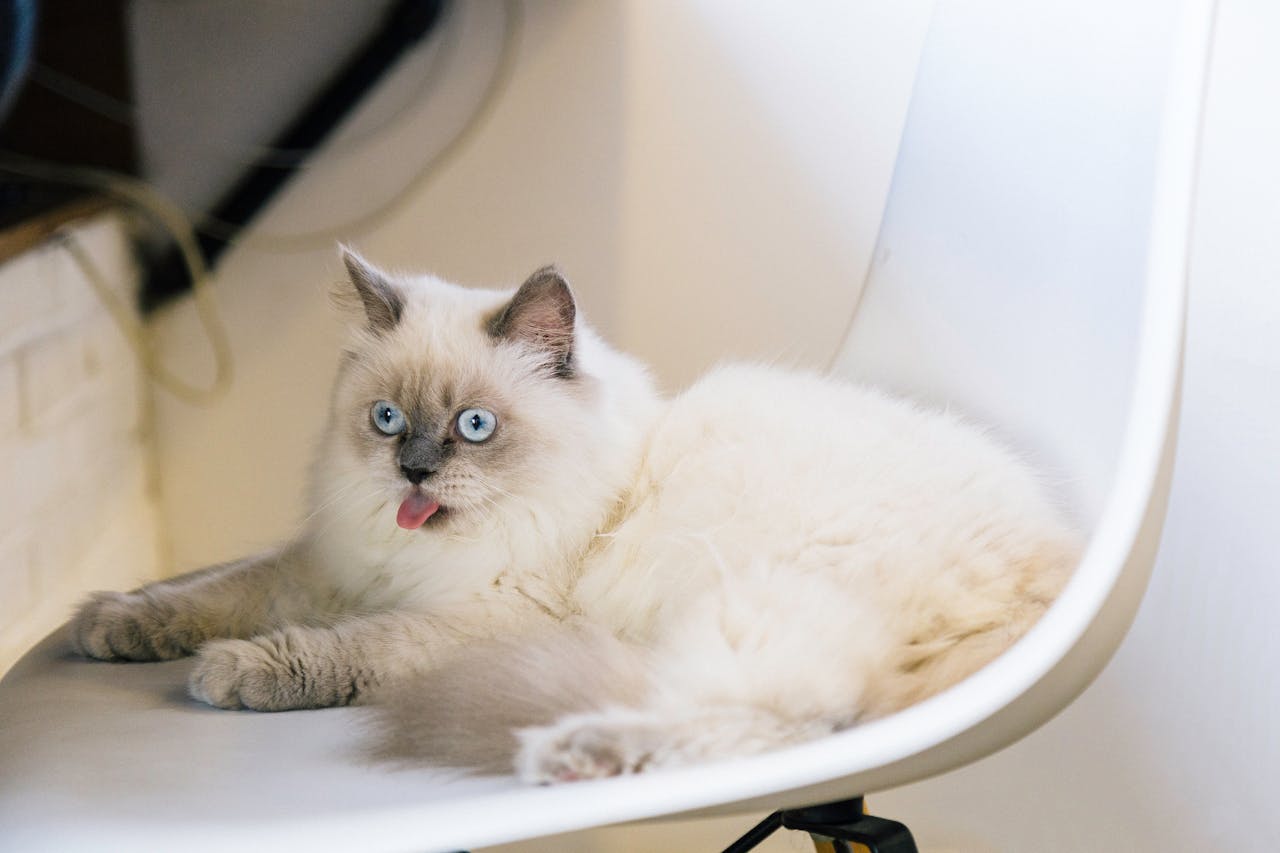
Excessive drooling in cats is something that can easily worry an owner. In some situations it is perfectly normal — while eating or playing, for instance — but in others it points to a health problem that should not be ignored. 

When drooling is perfectly normal

Sometimes a cat drools for entirely ordinary reasons. Catching sight or scent of food, for example, is enough to set the salivary glands going in sheer anticipation. Playing with a wand toy or a lure can have the same effect, because the cat responds to the stimulus exactly as its hunting instinct dictates. In those circumstances the extra saliva is simply a natural sign of excitement and of the drive to catch the “prey”.

When should drooling in a cat worry you?

  1. Loss of appetite: if your cat suddenly stops eating or drinks less water, and this comes together with excessive drooling.
  2. Difficulty eating: if the cat struggles with food — chewing with its mouth open, backing away from the bowl, or crying out in pain while eating.
  3. Bleeding in the mouth: any trace of blood in the saliva, around the muzzle, or left in the bowl after a meal.
  4. Persistent pawing at the face: if the cat keeps scratching around its mouth, something is probably bothering it.
  5. Behavioural changes: anything out of character — listlessness, aggression, hiding away, or trouble moving about.
  6. Vomiting: if the cat is being sick and drooling heavily at the same time.
  7. Weight loss: sudden and marked.

What health problems can drooling point to?

  • drooling may indicate oral disease such as gingivitis, periodontal inflammation or dental infection. A cat with a painful mouth suffers unpleasant symptoms, excessive saliva among them, which means that a lack of proper dental care or an ongoing infection can lead to further complications, including tooth loss.
  • Drooling in a cat can be caused by a swallowed foreign body that irritates the mouth and throat. When a cat accidentally swallows something like a piece of plastic, fabric or another small object, the body responds defensively by producing more saliva. This causes discomfort and even pain, and the cat may cough, vomit or have trouble swallowing. 
  • More serious conditions should not be overlooked either — tumours of the oral cavity or of the salivary glands, which can show up as excessive salivation. As a malignant tumour grows, the cat experiences considerable discomfort, and that too drives saliva production up.
  • Systemic disease, such as liver or kidney disease, can likewise cause heavy drooling. When the body struggles to clear toxins, appetite and general condition suffer, and excess saliva appears as an outward sign. Excessive salivation is sometimes seen in cats with neurological problems that disrupt normal nervous system function and, with it, the animal’s ability to manage its own saliva.
  • Drooling can be one of the signs of poisoning, for instance after a cat has eaten a toxic plant. When a cat nibbles a plant containing harmful substances, the body reacts in various ways, and heavy salivation is one of them. It usually stems from irritation of the lining of the mouth and digestive tract. Alongside the drooling, the cat may show other signs of poisoning such as vomiting, diarrhoea, weakness or apathy.

Drooling in cats: a sign that calls for diagnosis and proper treatment

Drooling in a cat can be caused by a swallowed foreign body that irritates the mouth and throat. When a cat accidentally swallows something like a piece of plastic, fabric or another small object, the body responds defensively by producing more saliva. This causes discomfort and even pain, and the cat may cough, vomit or have trouble swallowing.

Other articles
  • Parasitic diseases in rabbits: the commonest threats and how to prevent them

    Coccidiosis, encephalitozoonosis, ear mange and cheyletiellosis are the parasitic diseases pet rabbits meet most often, and they can go unnoticed for a long time. We explain how they are diagnosed in the laboratory, how they are treated, and which hygiene, quarantine and feeding rules keep infection at bay.

    Parasitic diseases in rabbits: the commonest threats and how to prevent them
  • How to protect your dog’s paws in winter

    Frost, ice and road salt leave a dog's pads irritated, cracked and sometimes frostbitten every winter. We explain how to pick a route and a protective wax before the walk, how to rinse and dry the paws properly once you are home, and which signs mean it is time to call the veterinary clinic.

    How to protect your dog’s paws in winter
  • Horner’s syndrome in dogs and cats: signs, causes, diagnosis and treatment

    A drooping eyelid, a smaller pupil and a visible third eyelid on one side add up to Horner's syndrome. It is not painful in itself and does not harm sight, but it often signals another, more serious condition underneath. We explain the causes, the diagnostic steps, the pharmacological tests and the treatment options.

    Horner’s syndrome in dogs and cats: signs, causes, diagnosis and treatment