
-
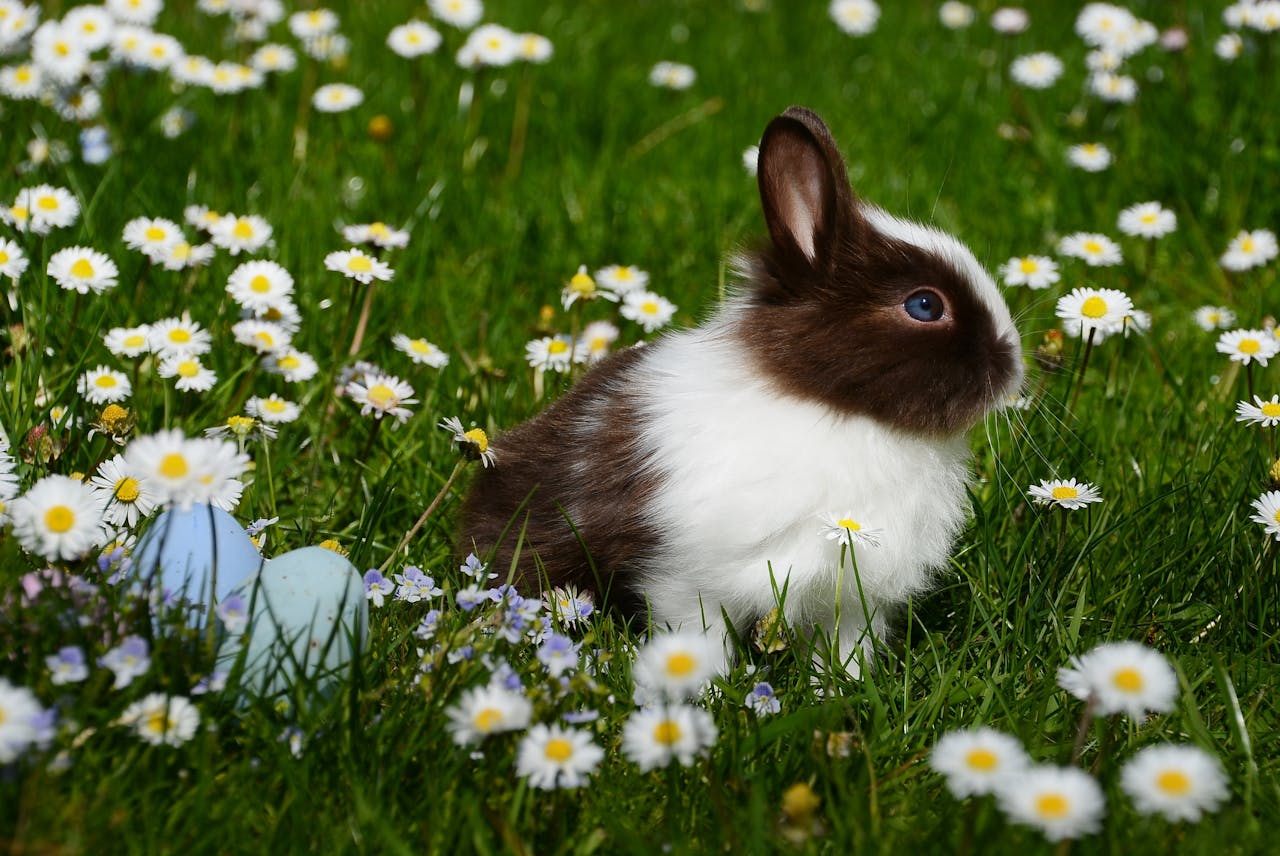
Parasitic diseases in rabbits: the commonest threats and how to prevent them
Coccidiosis, encephalitozoonosis, ear mange and cheyletiellosis are the parasitic diseases pet rabbits meet most often, and they can go unnoticed for a long time. We explain how they are diagnosed in the laboratory, how they are treated, and which hygiene, quarantine and feeding rules keep infection at bay.
-

How to protect your dog’s paws in winter
Frost, ice and road salt leave a dog's pads irritated, cracked and sometimes frostbitten every winter. We explain how to pick a route and a protective wax before the walk, how to rinse and dry the paws properly once you are home, and which signs mean it is time to call the veterinary clinic.
-
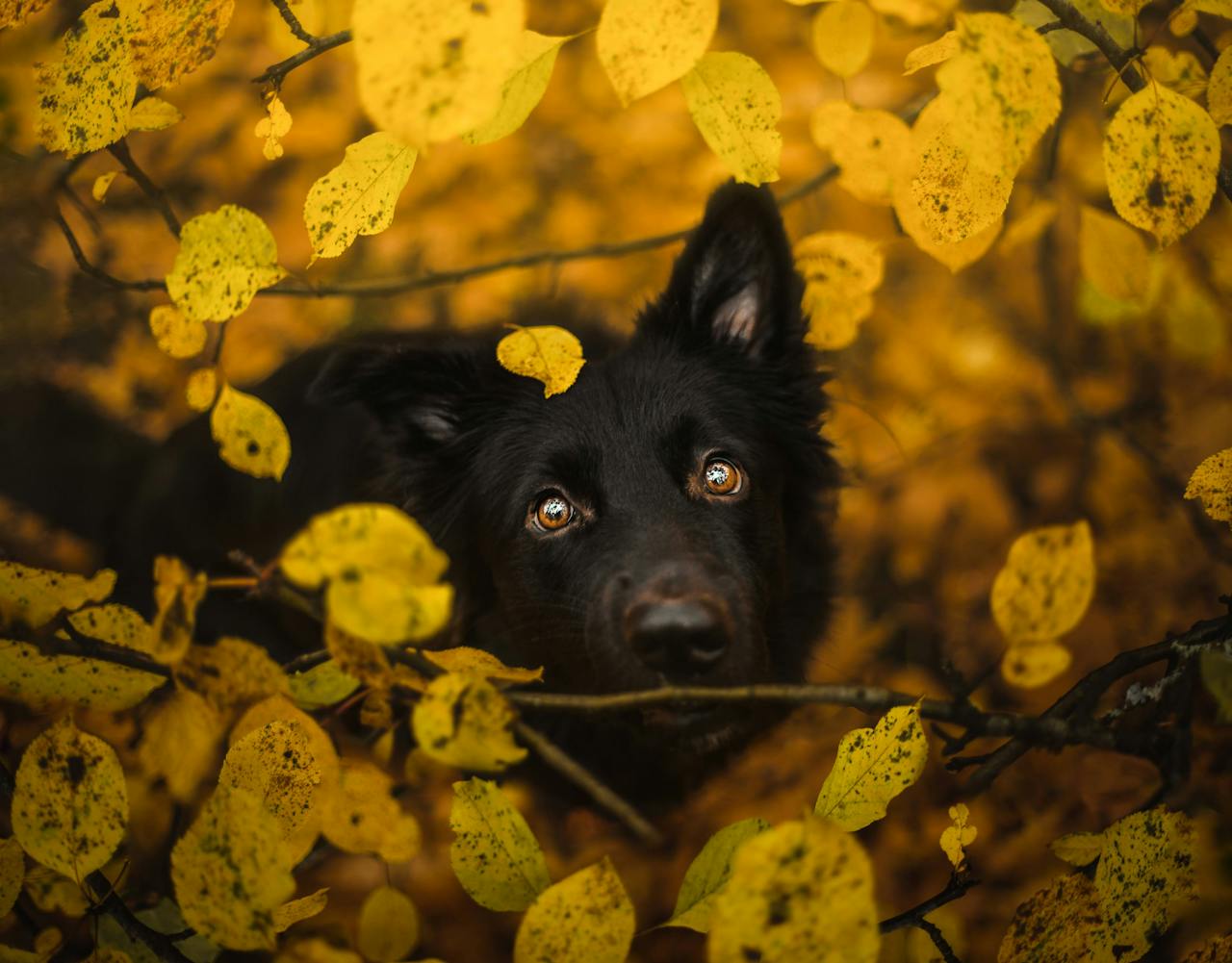
Horner’s syndrome in dogs and cats: signs, causes, diagnosis and treatment
A drooping eyelid, a smaller pupil and a visible third eyelid on one side add up to Horner's syndrome. It is not painful in itself and does not harm sight, but it often signals another, more serious condition underneath. We explain the causes, the diagnostic steps, the pharmacological tests and the treatment options.
Dogs and vegetarianism: can you switch them to plant-based food without harming their health?
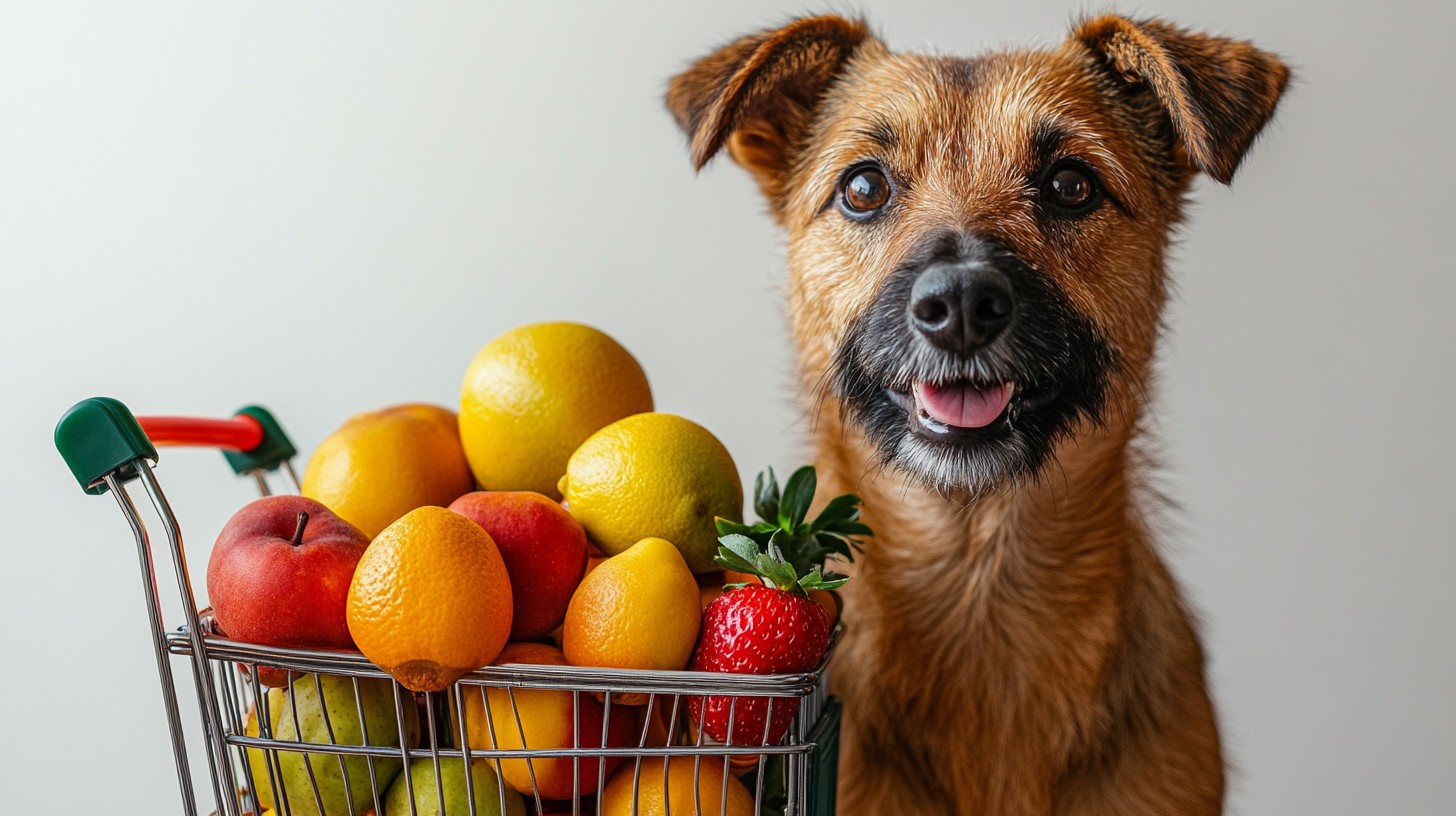
Vegetarianism is becoming ever more popular among people, and many dog owners now wonder whether their pets might do well on a plant-based diet too. Switching a dog to vegetarian food is a subject that stirs up plenty of controversy and plenty of questions about animal health and welfare. It is worth looking at from several angles.
How a dog’s digestive system works: herbivore or carnivore?
A dog’s digestive system is equipped to handle food of both plant and animal origin, which makes dogs omnivores. Their gut is short compared with that of strictly herbivorous animals, meaning that proteins and fats from meat are digested more efficiently. At the same time, dogs produce digestive enzymes such as amylase, which helps break down the starch found in plants. Their teeth are built for gripping and tearing meat, yet they can also grind plant material and so make it easier to digest. Although some nutrients, vitamin B12 among them, occur mainly in animal products, dogs do perfectly well on a diet that combines plant and animal foods. That makes it possible to build a balanced ration which meets their nutritional needs and supports their health. In practice at least part of the protein in a dog’s diet usually comes from meat, but a well-formulated vegetarian diet can also supply adequate nutrition.
Can meat be cut out of a dog’s diet altogether?
Removing meat from a dog’s diet completely is possible, but it calls for a great deal of care and attention. Healthy dogs whose digestion has already adapted can be fed a vegetarian or even a vegan diet successfully, though it is worth consulting a veterinarian or an animal nutritionist to make sure the diet really is properly balanced. Supplements are often necessary to provide such important nutrients as vitamin B12, taurine and other essential amino acids, which naturally occur mainly in animal products. Monitoring the dog’s health regularly and adjusting the diet to its individual needs are key to any move to meat-free feeding. As omnivores, dogs can benefit from plant-based food, but given their specific nutritional requirements a change of this kind needs to be thought through very carefully.
The benefits of a vegetarian diet for a dog
A vegetarian diet can bring a dog a number of benefits, provided it is properly balanced and tailored to the individual animal. Above all, it may reduce the risk of food allergies, since many dogs are intolerant of animal proteins, and cutting those out often improves the condition of the skin and coat. Plant-based food also tends to be lower in calories and fat, which helps maintain a healthy weight, and its high fibre content supports the digestive system and can prevent digestive upsets. Well-balanced plant meals provide a steady source of energy, which shows in a dog’s physical activity and general wellbeing. What is more, eating fewer animal products is good for the environment, so this way of feeding benefits not only dogs but the planet as well. Finally, a well-designed vegetarian easily digestible diet for a dog can support heart health, lowering the risk of cardiovascular disease and improving how other body systems function.
The downside of a vegetarian diet for a dog
For all its advantages, a vegetarian diet for dogs also has drawbacks worth weighing up. First and foremost, cutting out meat entirely can lead to deficiencies in several key nutrients, such as vitamin B12, taurine and omega-3 fatty acids, which occur naturally mainly in animal products. A dog’s body, especially while growing and in old age, may need larger amounts of protein and the right amino acids, and that can be hard to achieve on plant food alone. In addition, some dogs struggle to digest certain plant ingredients, which can bring on gastrointestinal trouble such as bloating, diarrhoea or general discomfort. Moving to a vegetarian diet also demands careful planning and constant monitoring of the dog’s health, which can be both time-consuming and expensive. That is why, before deciding on such a diet, it is important to consult a veterinarian and make sure it suits your particular animal.
Cases in which a vegetarian diet is not advisable
There are several situations in which a vegetarian diet is not advisable, and they are worth considering before you change how a dog is fed. Puppies and young growing dogs come first: they have particular nutritional needs for protein, vitamins and minerals that are difficult to meet on plant food. Elderly dogs, too, who may have trouble digesting or absorbing nutrients, need a diet that makes everything essential easy to take in. Dogs with certain conditions — liver or kidney disease, or digestive disorders — often require specialist diets that may not be compatible with plant-based feeding. And dogs with allergies or food intolerances to specific plant ingredients may react badly to a vegetarian ration. In cases like these, any move to plant-based food should be thought through carefully and discussed with a veterinarian, so as to minimise health risks and get the balance of the diet right.
How to switch a dog to a vegetarian diet
It is best to start gradually, introducing new foods in small amounts so the dog has time to adjust and the risk of gastrointestinal upset is kept low. The diet must be balanced, which means including good sources of plant protein such as lentils, chickpeas, quinoa or tofu, along with vegetables rich in vitamins and minerals. Ready-made vegetarian foods formulated specifically for dogs are worth considering, as they provide the right proportions of nutrients. It is equally important to keep an eye on the dog’s health during the transition; regular check-ups with a veterinarian will help you add the supplements needed, such as vitamin B12 or omega-3 fatty acids. Ultimately, if you give your dog time to adapt, its eating habits can be changed step by step while keeping it healthy and content.
Should a dog stay on a vegetarian diet for life?
A dog can be kept on a vegetarian diet for life, but it takes care to ensure the right nutrients are provided at every stage. The diet must be well balanced, which means supplying all the essential amino acids, vitamins and minerals a dog’s health depends on. As the dog ages or its health needs change, the diet may have to be modified or adjusted in consultation with a veterinarian. It is also important to monitor the animal’s health and adapt its food to its level of activity, its condition and any illnesses it may have. While many dogs thrive on a vegetarian diet throughout their lives, the decision to start one and to continue with it should take each animal’s individual needs into account — that is what makes for a long, healthy and happy life.