

-

Parasitic diseases in rabbits: the commonest threats and how to prevent them
Coccidiosis, encephalitozoonosis, ear mange and cheyletiellosis are the parasitic diseases pet rabbits meet most often, and they can go unnoticed for a long time. We explain how they are diagnosed in the laboratory, how they are treated, and which hygiene, quarantine and feeding rules keep infection at bay.
-
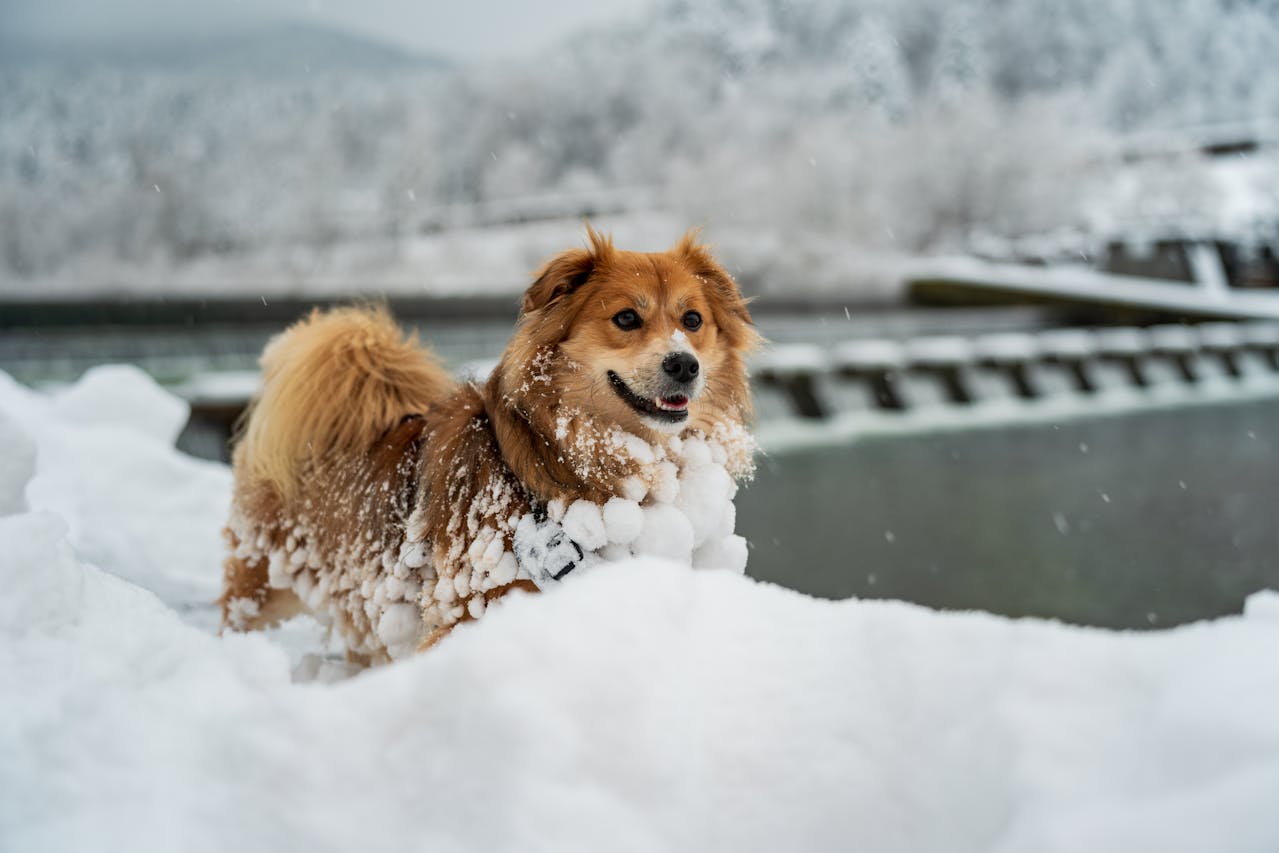
How to protect your dog’s paws in winter
Frost, ice and road salt leave a dog's pads irritated, cracked and sometimes frostbitten every winter. We explain how to pick a route and a protective wax before the walk, how to rinse and dry the paws properly once you are home, and which signs mean it is time to call the veterinary clinic.
-
Horner’s syndrome in dogs and cats: signs, causes, diagnosis and treatment
A drooping eyelid, a smaller pupil and a visible third eyelid on one side add up to Horner's syndrome. It is not painful in itself and does not harm sight, but it often signals another, more serious condition underneath. We explain the causes, the diagnostic steps, the pharmacological tests and the treatment options.
Dog Jumping Up on People: How to Stop It
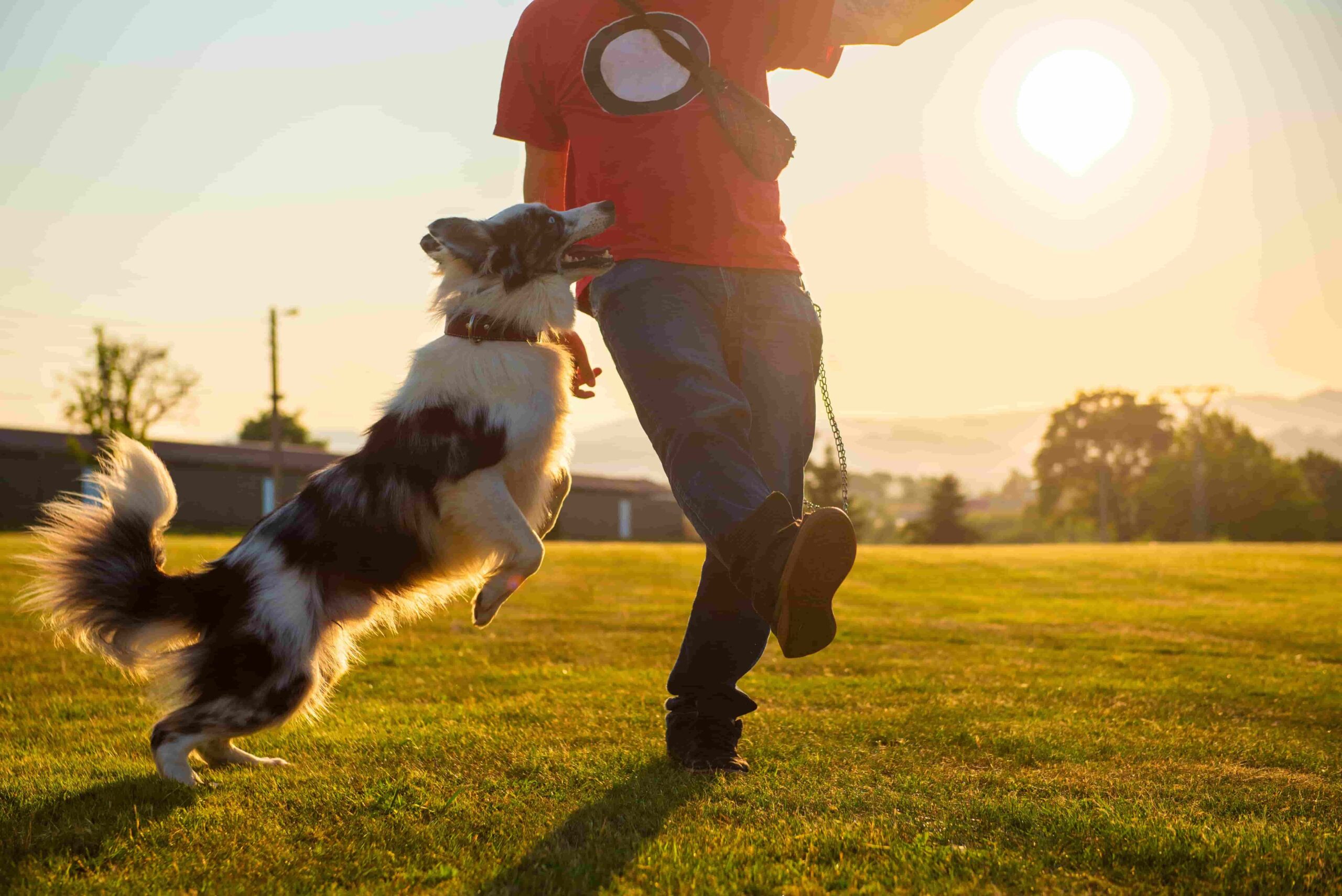
A dog that jumps up on people can be a real headache for many owners. Some people find it funny or even endearing, but for many others, especially children, the elderly or anyone wary of dogs, this behaviour can be dangerous and stressful. That is why it is important to teach your dog that jumping up on people is not acceptable. In this article we look at why dogs jump up, what the consequences are and how to break the habit effectively.
Why do dogs jump up on people?
Dogs jump up on people for a variety of reasons. One of the main ones is simply to get attention. Dogs are social animals and they need contact with people. Jumping up can be their way of expressing joy, excitement or a wish to play. Another cause is a lack of proper training. If a dog was never taught as a puppy that jumping up is unacceptable, it can easily become a habit.
What are the consequences of a dog jumping up on people?
A dog jumping up on people has consequences both for the dog and for those around it. For the dog it may be a way of expressing emotion, but for people it can be unpleasant and even dangerous. Those who are afraid of dogs may feel threatened and stressed. Children and the elderly are at risk of injury, such as scratches, fractures or other trauma. On top of that, a dog jumping up on people can lead to conflicts with neighbours or others, which sours relationships in the community.
How to stop a dog jumping up on people
Teaching a dog not to jump up on people takes patience, consistency and the right training methods. Below are several effective techniques that can help.
The “four paws on the floor” method
One of the most effective approaches is the “four paws on the floor” method. Every time the dog jumps up, you stop interacting with it and turn away. As soon as the dog has all four paws on the floor, praise and reward it. This way the dog learns that jumping up gets no positive response, while standing on four paws is exactly what you want.
Using cues
Another effective method is to use cues. You can teach your dog “sit” or “down”, which will signal that it should stay on the ground. When the dog obeys the cue, praise and reward it. The dog will learn that following cues brings a positive response.
Positive reinforcement
Positive reinforcement is one of the most effective training methods there is. It means rewarding the dog for desirable behaviour. When the dog is standing on four paws, praise and reward it, for example with a treat or a game. The dog learns that keeping four paws on the floor is desirable and pays off.
Avoiding punishment
Punishment-based training means penalising the dog for unwanted behaviour. This approach is not recommended, as it can cause stress and anxiety in the dog. It is far better to focus on positive reinforcement and reward the dog for the behaviour you want.
Enough physical and mental exercise
Dogs that are properly tired out, both physically and mentally, are less inclined to jump up on people. So it is important to give your dog enough exercise and mental stimulation. Regular walks, play and training sessions help burn off excess energy and reduce the urge to jump.
Consulting a trainer or vet
If your dog keeps jumping up on people despite all these methods, it may be time to consult a professional trainer or a veterinarian. A specialist can help identify the causes of the behaviour and suggest effective training methods.
Summary
A dog that jumps up on people can be a problem for many owners. With the right training methods and some patience, however, you can teach your dog that jumping up is not acceptable. The key is to focus on positive reinforcement and reward the dog for desirable behaviour. Making sure the dog gets enough physical and mental exercise will also reduce its urge to jump. If the dog still jumps up despite everything, it may be worth consulting a professional dog trainer. With the right approach and patience you can successfully stop your dog jumping up on people and give it a happy, safe life.