

-

Parasitic diseases in rabbits: the commonest threats and how to prevent them
Coccidiosis, encephalitozoonosis, ear mange and cheyletiellosis are the parasitic diseases pet rabbits meet most often, and they can go unnoticed for a long time. We explain how they are diagnosed in the laboratory, how they are treated, and which hygiene, quarantine and feeding rules keep infection at bay.
-

How to protect your dog’s paws in winter
Frost, ice and road salt leave a dog's pads irritated, cracked and sometimes frostbitten every winter. We explain how to pick a route and a protective wax before the walk, how to rinse and dry the paws properly once you are home, and which signs mean it is time to call the veterinary clinic.
-

Horner’s syndrome in dogs and cats: signs, causes, diagnosis and treatment
A drooping eyelid, a smaller pupil and a visible third eyelid on one side add up to Horner's syndrome. It is not painful in itself and does not harm sight, but it often signals another, more serious condition underneath. We explain the causes, the diagnostic steps, the pharmacological tests and the treatment options.
Does a vet trim a dog’s or cat’s claws? Find out how it works!
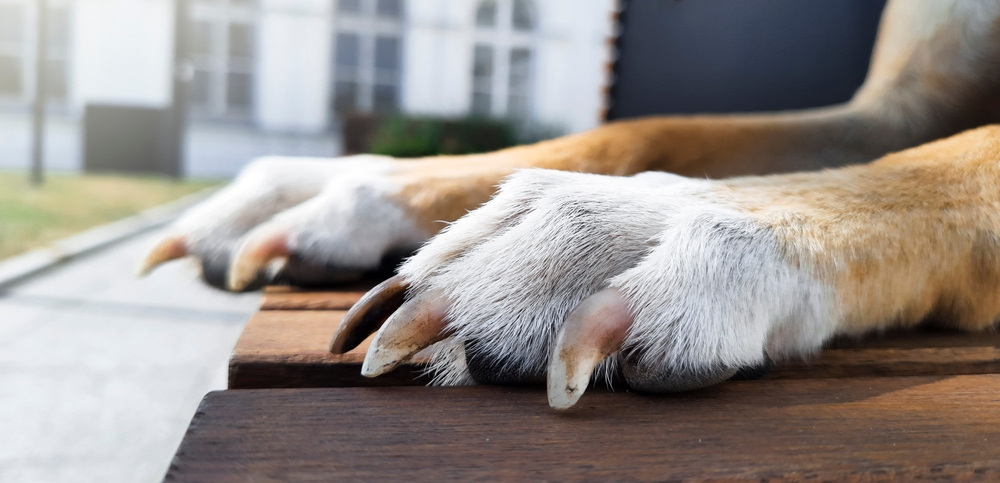
Claw trimming is one of those procedures that can seem daunting but is essential to an animal’s wellbeing. In this article we look at the benefits of regular claw trimming and explain how to do it safely and effectively. You will also learn which techniques are available and when it is worth turning to a vet for help. Read on!
The benefits of claw trimming for dogs and cats
Trimming the claws of dogs and cats is not just about appearance; above all, it is about our pets’ health and comfort. Overgrown claws can lead to pain and discomfort, particularly when they start to dig into the paw pads. Regular trimming helps avoid such problems and keeps your animal feeling better. Safety is another important consideration: claws that are too long can snag on all sorts of objects, increasing the risk of injury both to the animal and to members of the household.
Beyond the health benefits, claw trimming has practical advantages for owners too. Long claws can damage floors, furniture and carpets around the home. Regular trimming helps you reduce the risk of such damage and keep your home in good order. It is worth remembering that by keeping claws at the right length, we protect not only our belongings but, first and foremost, the health and comfort of our four-legged friends.
Claw trimming techniques for pets
Claw trimming is an important part of pet grooming, and there are several ways to go about it. One of the most popular methods is traditional clipping. Here the vet or owner uses special claw clippers that allow the claw to be shortened precisely. The advantages of this method are its simplicity and the ready availability of the tools, but it requires great care to avoid damaging the blood vessels. Another option is grinding, which uses a special device to gently file the claw down. This method is more precise and minimises the risk of accidental injury.
A modern approach to claw care is laser trimming. Some veterinary clinics offer this service as a safe and effective alternative to traditional methods. Laser trimming minimises the risk of bleeding and infection, which makes it an attractive choice for many pet owners. Each of these methods has its advantages and drawbacks, so it is worth considering how they work in practice:
With such a range of techniques available, every owner can find the right method for their pet and make the procedure comfortable and safe.
When claw trimming is necessary for dogs and cats
Claw trimming is necessary for dogs and cats in several situations that can affect their health and comfort. First and foremost, when claws grow too long they can start to curl or catch on the ground, causing pain and difficulty walking. Long claws are also prone to damage such as cracks or breaks, which are painful and can lead to infection. In such cases a vet may recommend trimming the claws to relieve the discomfort and speed up healing.
Regular claw trimming is important for keeping your animal healthy. It is recommended every 4–6 weeks, although the frequency may vary depending on your pet’s individual needs. Here are a few pointers on how often to trim:
Remember that regular claw care is not just about appearance; above all, it is about your pet’s health.
Can I trim my pet’s claws myself?
Trimming your pet’s claws yourself can be a challenge, but with the right tools and technique it is perfectly doable at home. First of all, get hold of proper claw scissors or clippers suited to the size and thickness of your animal’s claws. Choosing the right tools is crucial to avoid accidentally damaging blood vessels or nerves. Remember that every dog and cat has a different claw structure, so it is important to get to know your pet’s anatomy before you start.
When trimming, take care and do not rush. Here are a few tips that may help:
Remember that your pet’s safety comes first. If you do not feel confident trimming the claws yourself, you can always ask a vet for help. A professional will not only carry out the procedure safely but also give you valuable tips for the future.
Is claw trimming painful for animals?
Trimming the claws of dogs and cats should not be painful if it is done properly. The key to a pain-free procedure is the right tools and technique. Properly chosen tools, such as special clippers or grinders, allow the claws to be shortened precisely and gently. It is important to avoid damaging the blood vessels and nerves inside the claw. That is why it is worth consulting a vet, who can advise on the best approach to claw care.
The vet’s role does not end with the procedure itself. A professional can also teach pet owners how to trim claws correctly, which matters a great deal for our pets’ comfort. Training led by a vet covers:
This gives owners the confidence that their animals are in good hands and spares them unnecessary stress around claw care.
How can a vet help with your pet’s claw care?
A vet is not only an expert in animal health but also an excellent adviser on your pet’s claw care. A visit to the vet is a good opportunity to have the claws trimmed professionally. That way you can be sure the procedure is carried out safely and effectively, which is especially important for animals with dark claws, where the blood vessels are hard to see. Vets have the right tools and techniques to minimise the risk of pain or bleeding.
As well as trimming the claws, many vets also offer training for pet owners. Through such sessions you can learn to look after your pet’s claws yourself at home. Your vet will show you:
This knowledge helps you keep your animal healthy and comfortable day to day. Professional veterinary care is not only a guarantee of safety during the procedure but also an investment in your pet’s long-term health and wellbeing.
Summary
Trimming the claws of dogs and cats is not just about appearance; above all, it is about our pets’ health and comfort. Overgrown claws can lead to pain and discomfort, particularly when they start to dig into the paw pads. Regular trimming helps avoid such problems and keeps your animal feeling better. Safety is another important consideration: claws that are too long can snag on all sorts of objects, increasing the risk of injury both to the animal and to members of the household.
Beyond the health benefits, claw trimming has practical advantages for owners too. Long claws can damage floors, furniture and carpets around the home. Regular trimming helps reduce the risk of such damage and keep your home in good order. It is worth remembering that by keeping claws at the right length, we protect not only our belongings but, first and foremost, the health and comfort of our four-legged friends.
Frequently asked questions
How often should I trim my pet’s claws?
How often you need to trim depends on many factors, such as how active your pet is and what kind of surfaces it walks on. As a rule, trimming every 4–6 weeks is recommended, but more active animals may need it less often.
What should I do if I accidentally hurt my pet while trimming its claws?
If you do happen to nick your pet, the most important thing is to stay calm. Apply gentle pressure to the spot and use a styptic powder, available from pet shops, to stop the bleeding. If the bleeding does not stop, contact your vet.
Are there special claw-trimming tools for different breeds of dogs and cats?
Yes, there are various tools designed for the claw size and thickness of different breeds. It is worth choosing clippers or a grinder that best suit your animal.
Can I use ordinary scissors to trim my pet’s claws?
Ordinary scissors are not recommended for trimming claws, as they can cause the claw to crack or split. It is better to invest in proper tools designed for the job.
How can I get my pet used to having its claws trimmed?
To help your pet tolerate the procedure, start with short sessions and reward calm behaviour with treats. Gradually extend the sessions so your animal gets used to the process.
Are there alternatives to traditional claw clipping?
Besides traditional methods, you can consider grinding or laser trimming. Both offer greater precision and minimise the risk of injury.
How can I tell if my pet’s claws are too long?
Claws are too long when they start to touch the ground while your pet is standing or walking. You may also notice a change in the way it moves, or hear the claws clicking on hard floors.
Do all dogs and cats need regular claw trimming?
Most dogs and cats need regular claw trimming, but the frequency can vary depending on lifestyle and environment. Animals that live outdoors may wear their claws down naturally more than those that spend most of their time indoors.