

-
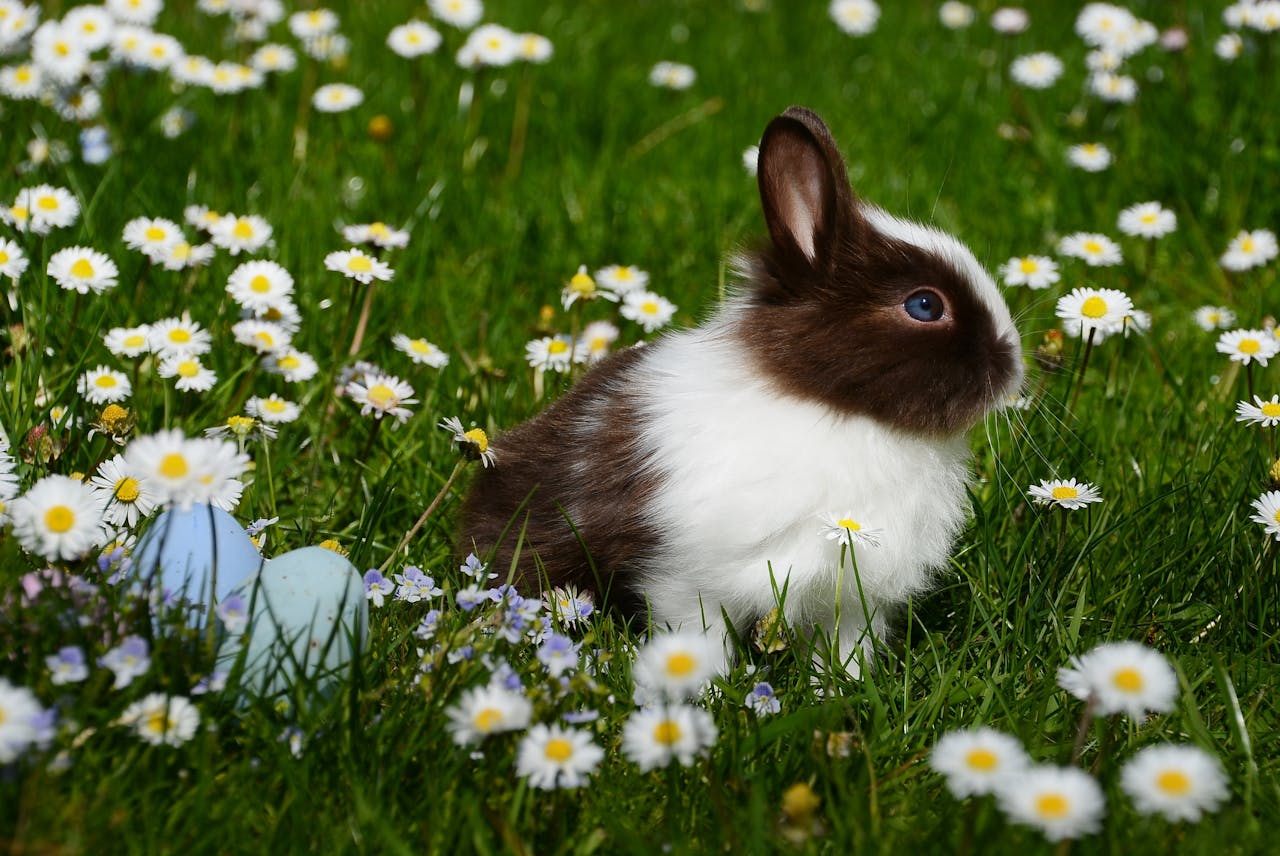
Parasitic diseases in rabbits: the commonest threats and how to prevent them
Coccidiosis, encephalitozoonosis, ear mange and cheyletiellosis are the parasitic diseases pet rabbits meet most often, and they can go unnoticed for a long time. We explain how they are diagnosed in the laboratory, how they are treated, and which hygiene, quarantine and feeding rules keep infection at bay.
-

How to protect your dog’s paws in winter
Frost, ice and road salt leave a dog's pads irritated, cracked and sometimes frostbitten every winter. We explain how to pick a route and a protective wax before the walk, how to rinse and dry the paws properly once you are home, and which signs mean it is time to call the veterinary clinic.
-

Horner’s syndrome in dogs and cats: signs, causes, diagnosis and treatment
A drooping eyelid, a smaller pupil and a visible third eyelid on one side add up to Horner's syndrome. It is not painful in itself and does not harm sight, but it often signals another, more serious condition underneath. We explain the causes, the diagnostic steps, the pharmacological tests and the treatment options.
Do cats really not show love, or do we simply misread their signals?
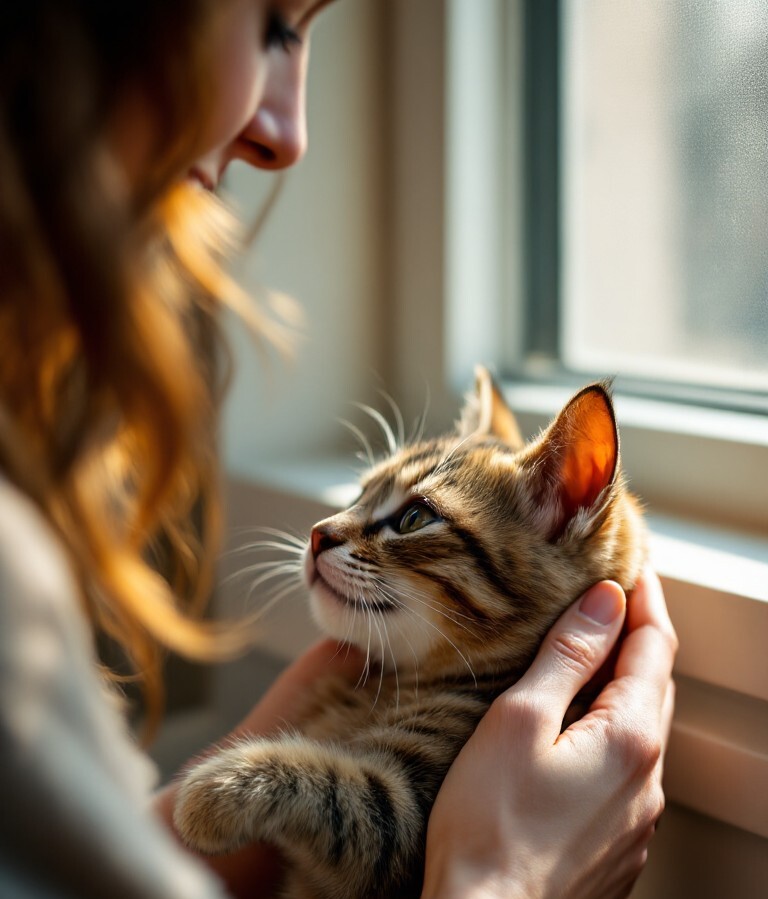
Cats have fascinated people for centuries with their mysterious nature and independent character. That often raises a question: are these animals actually capable of showing love and attachment to the people who care for them? The problem, though, is not that cats lack feelings — they simply communicate differently, and we do not always read their emotional signals correctly.
How cats bond with their owners
Cats are certainly capable of becoming attached to their owners, though they do it in a subtler way than dogs, whose displays of emotional bonding are more familiar to us. Research shows that cats can form strong emotional bonds with people and feel genuine attachment to their carers, expressed in all sorts of ways. A cat shows its feelings through behaviour: wanting to be near its owner, purring in their presence, rubbing against their legs. Cats also tend to follow their owners around the house and try to take part in everyday activities, which is further evidence of trust and attachment. A balanced relationship with a cat calls for patience and understanding, but the strong bond that can be built proves how capable these animals are of forming deep emotional ties with people.
Why cats are more reserved than other animals, such as dogs
Cats are often seen as more reserved and independent than dogs, and the explanation lies in their evolutionary heritage and natural instincts. Unlike dogs, which were domesticated to work alongside people at various tasks such as hunting, herding and guarding, cats retained their wild instincts for a long time. As predators they rely on self-sufficiency and free exploration, which makes wariness of unfamiliar situations and people entirely natural for them. Cats are also more sensitive to changes in their surroundings and to external stimuli, so they often need more time to adjust to new conditions. This is why cats can seem more withdrawn, especially next to dogs, who are readier to show emotion and seek out human closeness.
Signs that a cat is attached to its owner
Cats express attachment to their owners in many subtle but telling ways. One of the best-known signals is purring, which usually accompanies moments when a cat feels safe and relaxed in its owner’s company. Another sign is physical gestures such as rubbing against your legs, which is how cats mark territory and show closeness at the same time. A cat may also bring “presents” in the form of toys it has “hunted”, its own way of sharing and showing affection. It is worth paying attention to how a cat behaves during interaction too: attached cats take an interest in their people, follow them around the house and try to be part of everyday activities. Another sign is a cat closing its eyes in its owner’s presence, which indicates trust, as does lying on its back with the belly exposed — in cat language, a statement that it feels safe. Cats may also bounce about or flick the tip of the tail when they are near their owners, which likewise speaks of a contented cat and of attachment. All this behaviour shows that cats can form strong emotional bonds with people, even if the way they show it differs from the more expansive and open gestures of dogs.
How to respond to a cat’s signals and build a stronger bond
To build a stronger bond with a cat, the key is to understand its signals and respond to them appropriately. Start with purring, which usually means contentment and comfort: spend time beside your cat and stroke it gently in the places it likes best, such as the head or under the chin, which will reinforce its sense of security. Watch your own body language too; an open, calm posture and no sudden movements will help the cat feel less threatened. When your cat rubs against you, return the gesture with a gentle stroke along its side or tail, doing so naturally and with respect for its boundaries. When a cat brings you toys or tries to make contact, joining in with a wand toy or a ball will strengthen the relationship while exercising its mind and hunting instincts. The “slow blink” also works — closing your eyes and opening them again unhurriedly while looking at the cat is read as a sign of trust and can deepen the bond. It is important to adapt your interactions to each cat’s individual needs and preferences, giving it space when it needs space and offering closeness and attention when it seeks contact itself. By respecting its signals and responding to them positively, you can build a lasting, trusting relationship with your pet.
Can cats easily lose trust in their owner?
Cats, like other animals, are capable of forming deep bonds with their owners, but their trust is fragile and can be broken easily. A cat may lose trust in its carer for all sorts of reasons: sudden loud noises, aggressive or unpredictable behaviour on the owner’s part, or bad experiences such as pain caused by rough handling or unpleasant visits to the vet. Even situations that seem harmless at first glance — being picked up the wrong way, or changes to familiar surroundings — can affect how a cat sees its owner, particularly if the animal feels threatened or upset. Once a cat has lost trust, it may become more withdrawn, avoid contact and even show aggressive behaviour that was never there before.