

-
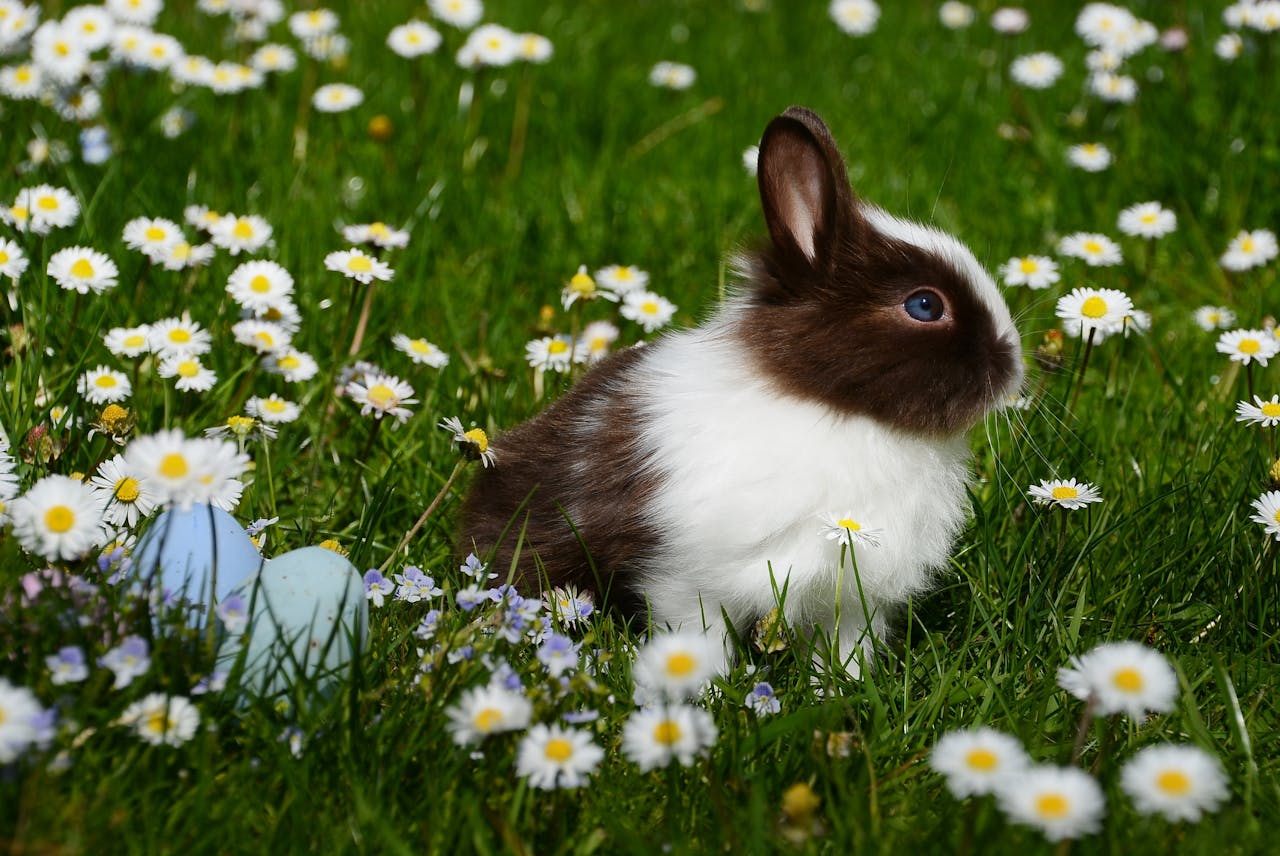
Parasitic diseases in rabbits: the commonest threats and how to prevent them
Coccidiosis, encephalitozoonosis, ear mange and cheyletiellosis are the parasitic diseases pet rabbits meet most often, and they can go unnoticed for a long time. We explain how they are diagnosed in the laboratory, how they are treated, and which hygiene, quarantine and feeding rules keep infection at bay.
-

How to protect your dog’s paws in winter
Frost, ice and road salt leave a dog's pads irritated, cracked and sometimes frostbitten every winter. We explain how to pick a route and a protective wax before the walk, how to rinse and dry the paws properly once you are home, and which signs mean it is time to call the veterinary clinic.
-

Horner’s syndrome in dogs and cats: signs, causes, diagnosis and treatment
A drooping eyelid, a smaller pupil and a visible third eyelid on one side add up to Horner's syndrome. It is not painful in itself and does not harm sight, but it often signals another, more serious condition underneath. We explain the causes, the diagnostic steps, the pharmacological tests and the treatment options.
Degus – small animals with great charm
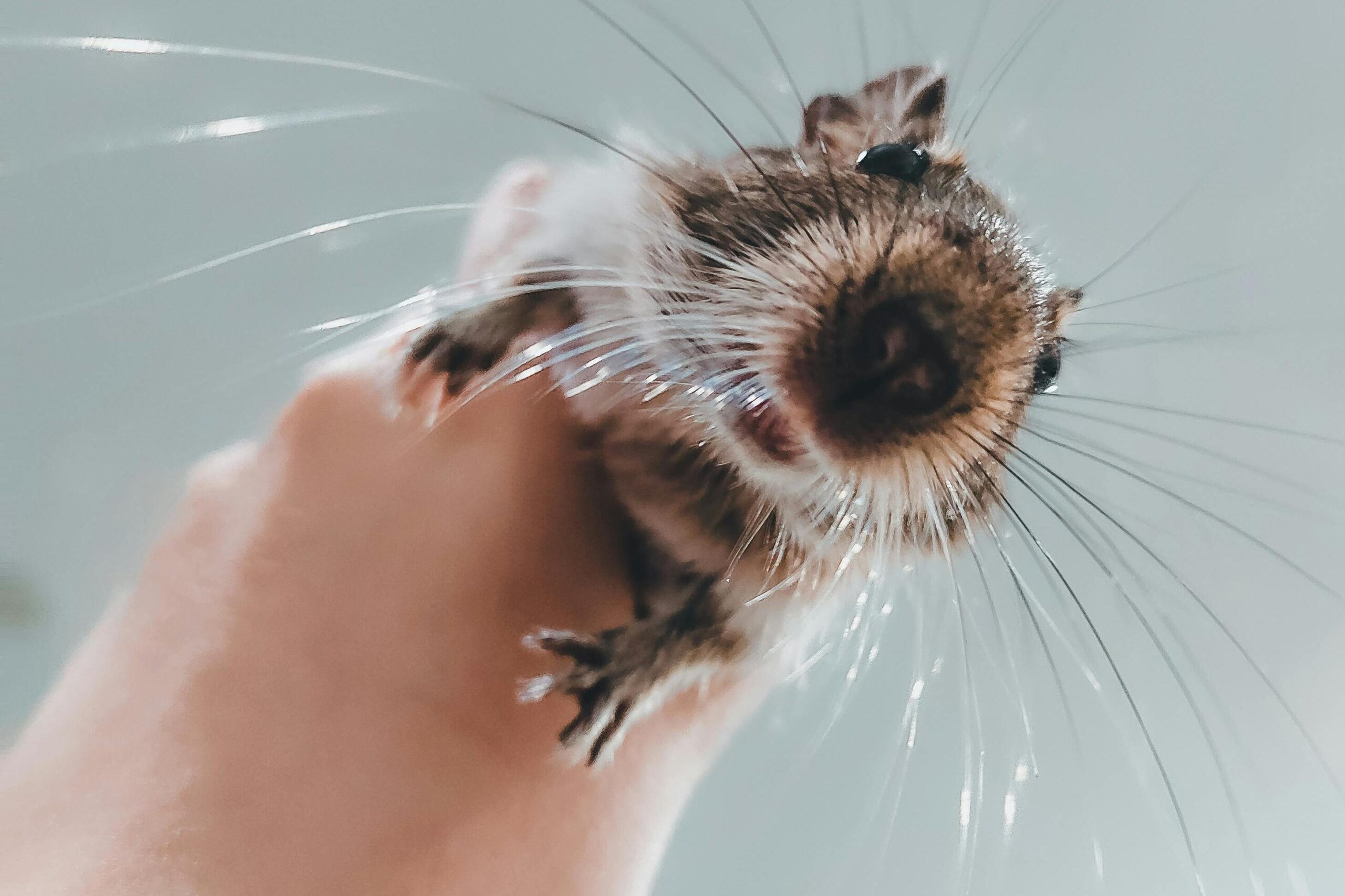
Degus are small rodents from Chile that are becoming increasingly popular as household pets. Their friendly nature and undemanding care make them ideal companions for anyone who loves animals.
Origins and domestication of the degu
Degus, known to science as Octodon degus, come from the central regions of Chile, where they inhabit semi-desert terrain. In the wild they live in large colonies and dig elaborate burrow systems. Degus were initially used mainly in scientific research because of their unusual biology, in particular their tendency to develop type 2 diabetes naturally. In time, thanks to their friendly and sociable disposition, they began to gain popularity as pets, especially across Europe and North America. A further point in favour of their domestication is how easy they are to keep and how little space they require, which makes them ideal companions in houses and flats alike.
What degus look like
Degus are small rodents, usually 25 to 30 centimetres long, with roughly half of that length taken up by the tail. They weigh on average between 170 and 300 grams, which makes them relatively light animals. Their build is compact, and their strong, well-developed hind legs let them move and jump with great agility. Their fur is dense and soft, most often ranging from grey to brown, which helps them blend into their natural surroundings. Degus are recognisable by their large dark eyes and long, fine whiskers, which serve an important sensory function. The tail is covered in fine fur and ends in a tuft of longer hairs, which only adds to their charm.
The right diet for a degu
A degu’s diet should resemble the natural food of wild animals as closely as possible, which means it must be rich in plant fibre. The key is to keep fats and sugars to an absolute minimum, since degus are highly sensitive to high carbohydrate levels and can develop diabetes. Treats such as dried fruit, carrot or sunflower seeds should therefore be a rarity. The staple of the diet should be hay and dried greens such as dandelion, clover or leaves from unpolluted fruit trees. When fresh greens are unavailable, dried herb mixes from pet shops make a good substitute. Commercial feeds can be used to supplement the diet, provided they are of decent quality. It is also worth knowing that coprophagy, a natural behaviour in degus, helps them top up their vitamin K and B vitamins.
Ideal cage conditions for degus
A degu’s cage should offer space and stimulation close to what the animal would find in the wild. The recommended minimum dimensions are at least 100 cm long, 50 cm wide and 75 cm high, though a larger cage is always the better choice. The structure should be multi-level, allowing the degu to climb and explore and so satisfying both its need to move and its need to think. Line the floor of the cage with a material of natural texture that protects those delicate feet. Inside, provide a variety of features such as tunnels, shelves, hammocks and solid-surface exercise wheels, which will keep the animal entertained and enrich its environment. Keeping the cage clean and well ventilated is equally important for the degus’ health and wellbeing.
Caring for degus
Caring for degus is fairly straightforward, but it is crucial to their health and wellbeing. Checking their teeth and claws regularly matters a great deal, because a degu’s teeth grow throughout its life and need wearing down by gnawing on suitable materials such as wooden toys or twigs. Baths in water are not advisable, as they can lead to chills; instead, give your degus access to sand baths, which keep their coat clean. Cleaning the cage regularly and providing fresh bedding will keep their living space hygienic. It is also important to set aside time every day for play and interaction outside the cage, which encourages socialisation and builds a bond with their keeper.
How sociable degus are
Degus are highly sociable animals and are best kept in pairs or groups. In the wild they live in large colonies, which means the company of other degus matters enormously to them. Having a second animal helps meet their social needs, lowers stress and prevents the loneliness that can lead to behavioural and health problems. If you do decide on a single degu, you will need to give it a great deal of attention to make up for the absence of a companion. And if you plan to keep more than one, introduce them thoughtfully and gradually to minimise the risk of aggression and conflict between them.