

-

Parasitic diseases in rabbits: the commonest threats and how to prevent them
Coccidiosis, encephalitozoonosis, ear mange and cheyletiellosis are the parasitic diseases pet rabbits meet most often, and they can go unnoticed for a long time. We explain how they are diagnosed in the laboratory, how they are treated, and which hygiene, quarantine and feeding rules keep infection at bay.
-

How to protect your dog’s paws in winter
Frost, ice and road salt leave a dog's pads irritated, cracked and sometimes frostbitten every winter. We explain how to pick a route and a protective wax before the walk, how to rinse and dry the paws properly once you are home, and which signs mean it is time to call the veterinary clinic.
-

Horner’s syndrome in dogs and cats: signs, causes, diagnosis and treatment
A drooping eyelid, a smaller pupil and a visible third eyelid on one side add up to Horner's syndrome. It is not painful in itself and does not harm sight, but it often signals another, more serious condition underneath. We explain the causes, the diagnostic steps, the pharmacological tests and the treatment options.
Cataracts in cats: what are they? How to recognise and treat them. Overview and cataract surgery
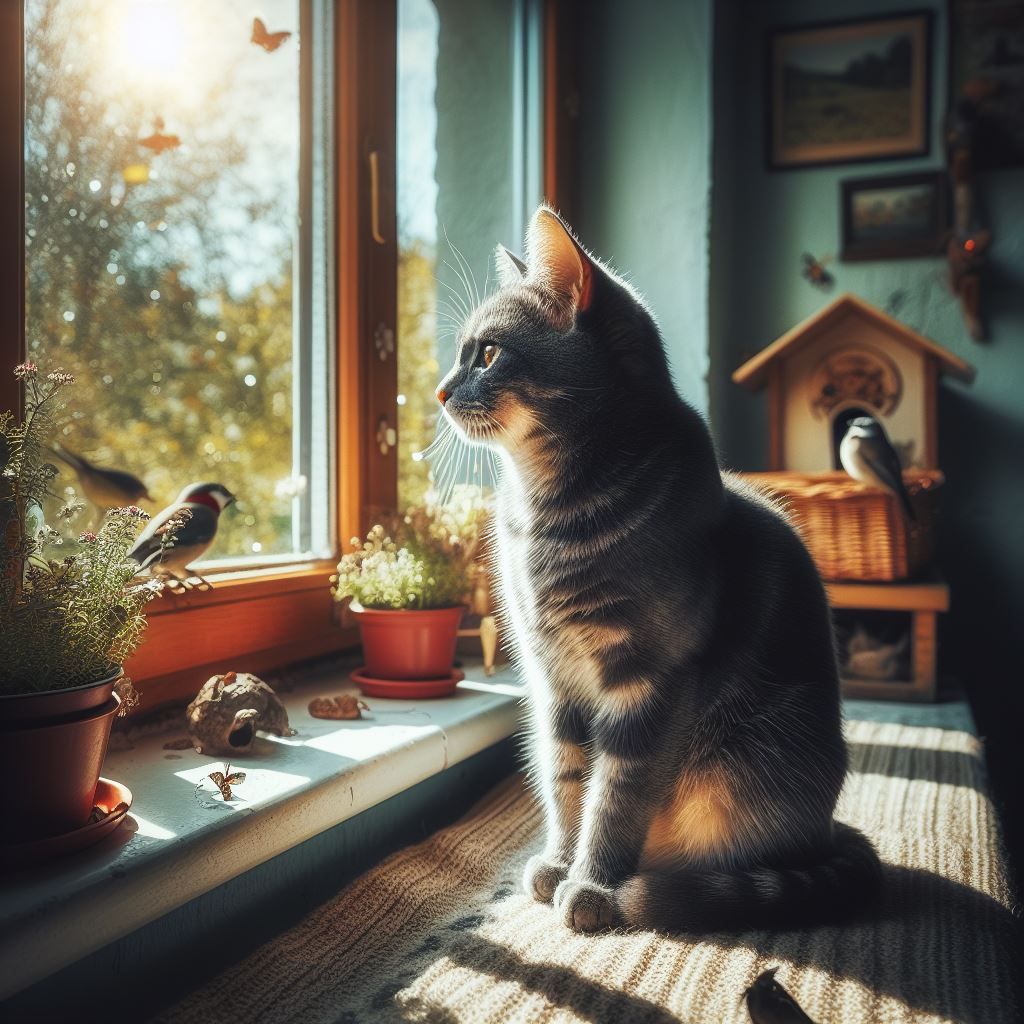
Have you ever noticed your cat suddenly behaving differently, with eyes that seem less clear than usual? Cataracts are a serious eye disease that can affect our four-legged friends too, leading to deteriorating vision and even blindness. It is therefore worth knowing how to recognise the first signs of the disease and what steps to take to give your pet the best possible care. In this article we look more closely at what causes cataracts in cats and which symptoms may indicate that they are developing. We also discuss the available treatments, both medical and surgical, and consider what cataract surgery is likely to cost. The eye health of our furry companions matters enormously, so do not put off acting as soon as you notice any warning signs.
Cataracts in cats: what are they?
A cataract in a cat is a condition in which the lens of the eye becomes cloudy, leading to impaired vision and, in extreme cases, blindness. The lens, which is normally transparent, loses its clarity, preventing light from passing properly through to the retina.
Cataracts can occur at any age and for a variety of reasons. In cats they are often a result of ageing, but they can also be genetic, caused by injury, by diseases such as diabetes, or occur as a side effect of certain medications. In some cases a cataract develops very quickly, almost overnight; in others it progresses slowly over many years.
Cataracts in cats: how to recognise them
Recognising a cataract in a cat requires careful observation of its behaviour and of any changes in the appearance of its eyes. The characteristic sign is clouding of the lens, which may be visible as a grey or white patch in the pupil. This change leads to poorer vision and, in advanced cases, to blindness. Cats with cataracts may struggle to judge distances, which shows up as hesitancy when jumping or walking on uneven ground. Watch out for whether your cat stumbles more often or seems reluctant to explore new spaces.
Cataracts should be diagnosed by a veterinary ophthalmologist. The specialist will examine the eye in detail using a slit lamp, which allows the condition of the lens and other structures of the eye to be assessed. If a cataract is suspected, further tests may be needed, such as an ultrasound scan of the eye, to rule out other conditions and plan the right treatment. It is vital not to dismiss the first symptoms and to see a vet without delay, as early detection of cataracts improves the chances of successful treatment.
Early signs of cataracts
Noticing changes in your cat’s behaviour may be the first sign that something is wrong with its health. Cataracts in cats often show up as worsening vision, which can make the animal hesitant in new situations or cause it to struggle to find its way around even familiar surroundings. Owners may notice that their cat has become more sluggish, has trouble jumping up onto higher surfaces, or avoids the leaps it used to enjoy.
Inspecting your cat’s eyes can reveal the first physical signs of cataracts. These are usually areas of cloudiness in the lens, which may take the form of small specks or larger shadowed patches. It is worth checking your pet’s eyes regularly and noting any change in their appearance. A checklist for eye checks should cover: clarity of the lens, any abnormal changes in colour, the condition of the eyelids and the response to light.
If you suspect your cat may have cataracts, it is essential to consult a vet. A professional diagnosis is key to establishing how far the disease has progressed and choosing the right treatment. Early detection of cataracts in cats improves the chances of effective intervention, which may involve medication or, in some cases, surgical removal of the clouded lens.
Advanced cataracts: clear-cut symptoms
Advanced cataracts in a cat produce a series of symptoms that no owner should miss. The most obvious sign is clouding of the lens, which makes the animal’s eyes appear less clear and, in advanced cases, white or grey.
Cats with cataracts may have trouble pinpointing where objects are, which shows as hesitancy when jumping or walking over unfamiliar ground. Notice whether your cat avoids brightly lit places, which may point to eye pain triggered by strong light. Prompt consultation with a vet is crucial, since early detection of cataracts improves the chances of successful treatment. Remember that although cataracts can lead to loss of sight, well-managed treatment allows your feline companion to keep the best possible quality of life.
Cataracts in cats: causes
A variety of factors can contribute to the development of cataracts in our four-legged pets. Genetics plays a significant role, particularly in certain breeds predisposed to the disease.
Metabolic diseases such as diabetes can also lead to clouding of the lens. Bear in mind that cataracts may also result from eye injuries or be a consequence of the ageing process. It is worth noting that in some cases the cause of a cataract remains unidentified, which makes prevention harder. Regular veterinary check-ups and monitoring your cat’s eye health are key to detecting and treating the disease early.
Medical treatment
Effective medical treatment of cataracts in cats requires an accurate diagnosis and an individual approach to every patient. Antibacterial and anti-inflammatory drugs such as corticosteroids may be used to reduce inflammation and swelling in the eye. Where the cataract is the result of a systemic disease such as diabetes, the underlying cause must be treated. The comparison table below illustrates the differences between two commonly used drugs in the treatment of cataracts in cats:
| Drug | Mechanism of action | Typical dosage | Possible side effects |
| Prednisolone | Glucocorticoid with anti-inflammatory action | 1-2 mg/kg body weight in cats, given orally every 12-24 hours | Increased appetite, higher risk of infection, digestive upset |
| Flurbiprofen | Non-steroidal anti-inflammatory drug (NSAID) | Applied topically to the eye, dose depending on clinical condition | Eye irritation, risk of corneal damage with prolonged use |
It is important that treatment is carried out under the close supervision of a veterinarian, who will tailor the therapy to the cat’s individual needs while monitoring its effects and any side effects.
Cataracts in cats: surgical treatment
Surgical treatment of cataracts in cats is a specialist procedure that involves removing the clouded lens and, depending on the case, replacing it with an artificial implant. The procedure, known as phacoemulsification, requires precision equipment and an experienced veterinary surgeon. The advantage of this method is the possibility of restoring the animal’s sight, which greatly improves its quality of life. Like any surgical intervention, however, it carries a certain risk of complications, such as inflammation inside the eye, retinal detachment or raised intraocular pressure.
The decision to operate should be preceded by thorough diagnostics and an assessment of the cat’s overall health. It is worth noting that not every case of cataract is suitable for surgery. The drawbacks of this method are mainly the high cost and the need for lengthy post-operative care. On the other hand, the benefits of an animal regaining its sight often outweigh the potential risks. The final decision on surgery should be made after consulting an experienced vet who will weigh up all the pros and cons of the procedure.
How much does the surgery cost?
The cost of cataract surgery for a cat varies and depends on many factors, such as where the clinic is located, the surgeon’s experience and specialisation, and the treatment method used. Before deciding on surgery, it is worth consulting several specialists and comparing prices. Note too that in some cases additional costs may be added to the price of the procedure, such as pre-operative tests, medication or post-operative care.
When preparing for surgery, draw up a plan to help organise the whole process. It should cover: choosing the right specialist, discussing the surgical procedure in detail, agreeing a full estimate of the costs, and preparing your cat and your home for the recovery period. Pet health insurance may cover part of the cost of surgery, so it is worth considering this option before scheduling the procedure. Remember that your pet’s health comes first, and a well-performed operation can significantly improve its quality of life.