

-
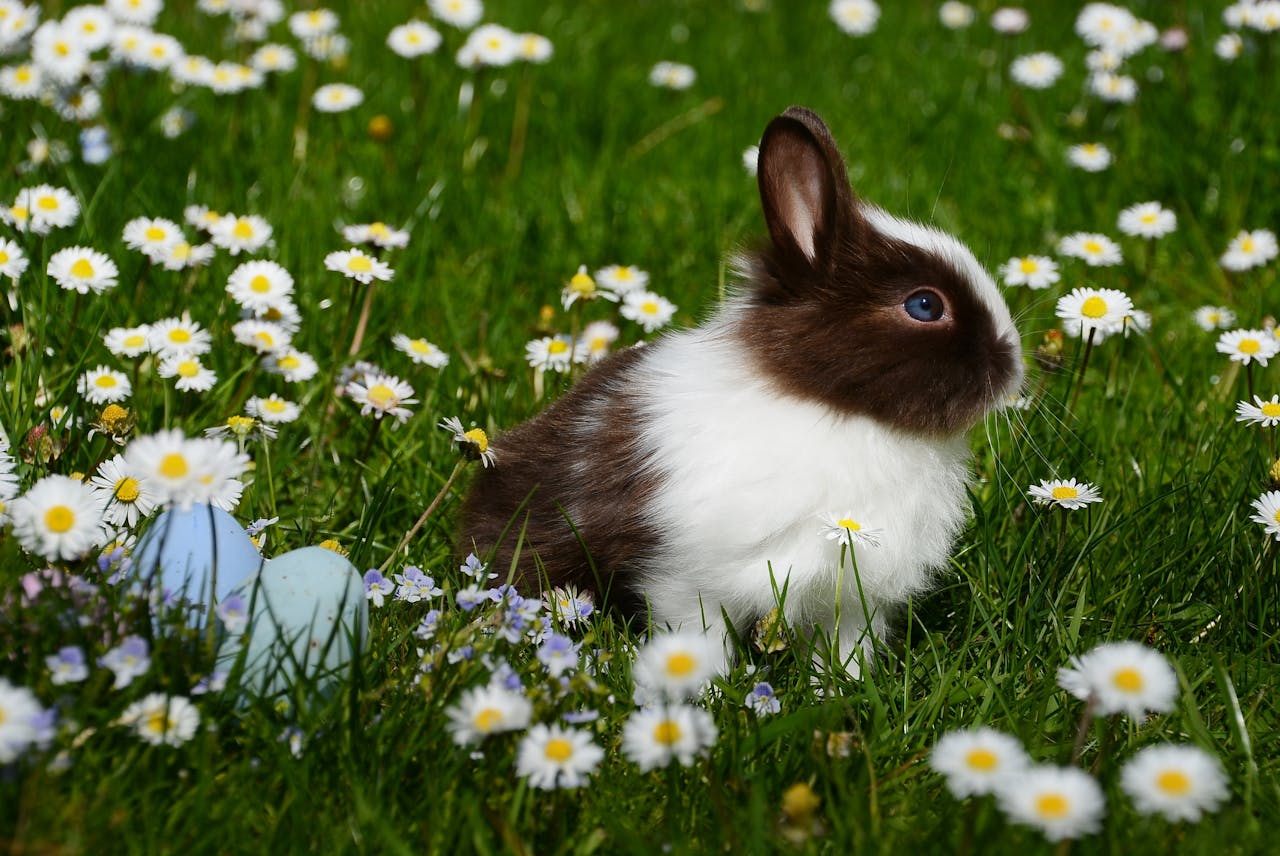
Parasitic diseases in rabbits: the commonest threats and how to prevent them
Coccidiosis, encephalitozoonosis, ear mange and cheyletiellosis are the parasitic diseases pet rabbits meet most often, and they can go unnoticed for a long time. We explain how they are diagnosed in the laboratory, how they are treated, and which hygiene, quarantine and feeding rules keep infection at bay.
-

How to protect your dog’s paws in winter
Frost, ice and road salt leave a dog's pads irritated, cracked and sometimes frostbitten every winter. We explain how to pick a route and a protective wax before the walk, how to rinse and dry the paws properly once you are home, and which signs mean it is time to call the veterinary clinic.
-
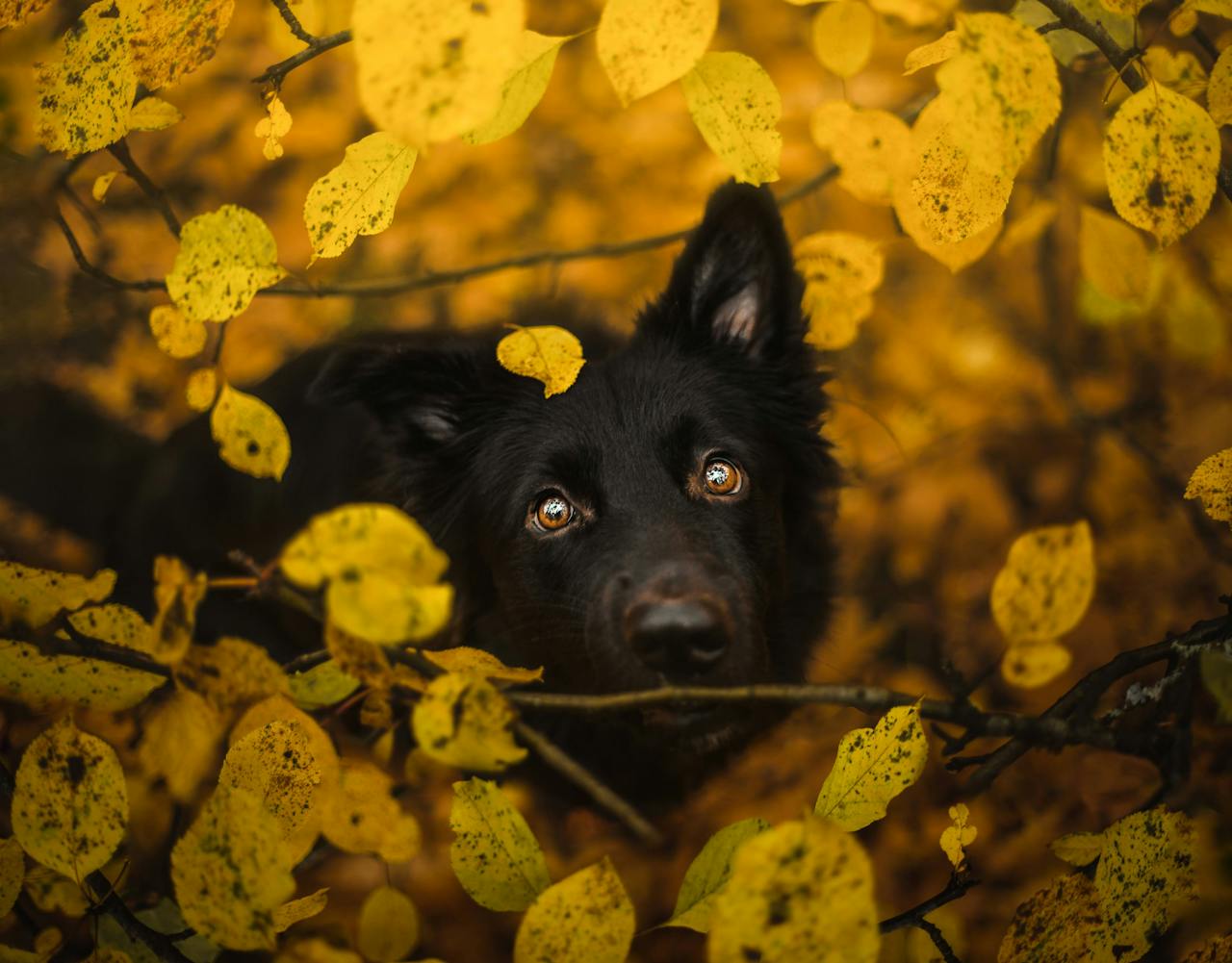
Horner’s syndrome in dogs and cats: signs, causes, diagnosis and treatment
A drooping eyelid, a smaller pupil and a visible third eyelid on one side add up to Horner's syndrome. It is not painful in itself and does not harm sight, but it often signals another, more serious condition underneath. We explain the causes, the diagnostic steps, the pharmacological tests and the treatment options.
Caring for your dog after vaccination: what to do once the jab is done
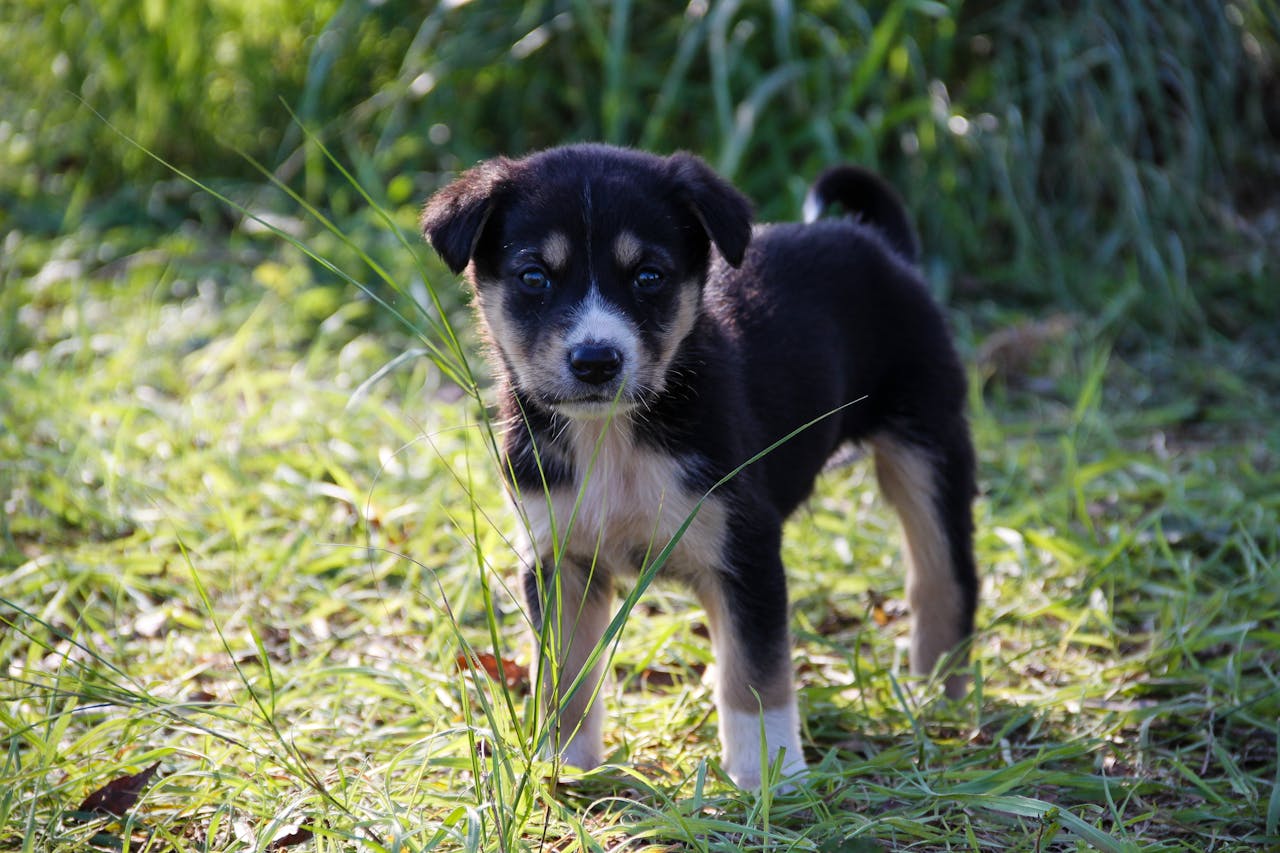
Vaccination is one of the most important things you can do for your dog’s health. It protects them against a number of deadly infectious diseases. The injection itself, however, is only part of the story — what matters just as much is proper post-vaccination care, which ensures the vaccine works as it should and that your dog feels well afterwards.
What is post-vaccination care?
Post-vaccination care is a set of measures designed to minimise the risk of adverse reactions after a vaccination and to give the vaccine the best possible chance of working. It matters most during the first few days after the visit to the veterinary practice.
What to do after the vaccination
Why avoid contact with other dogs?
This is one of the most important rules, particularly for puppies who are only at the start of their vaccination course.
This applies both to walks in public places and to play in dog parks. In the period after vaccination, a puppy should mix only with the household and with fully vaccinated dogs whose health status is certain.
Do not forget parasite control
Vaccination is only one element of preventive care. Before each dose, the veterinarian will check that the dog has been wormed and is protected against fleas and ticks. Remember to keep up with these treatments at home. Parasites weaken a dog’s immune system, which can significantly reduce how well a vaccine works. Inadequate parasite control is a common reason for postponing a vaccination.
Taking vaccination and post-vaccination care seriously is the best investment you can make in your dog’s health and safety.