

-
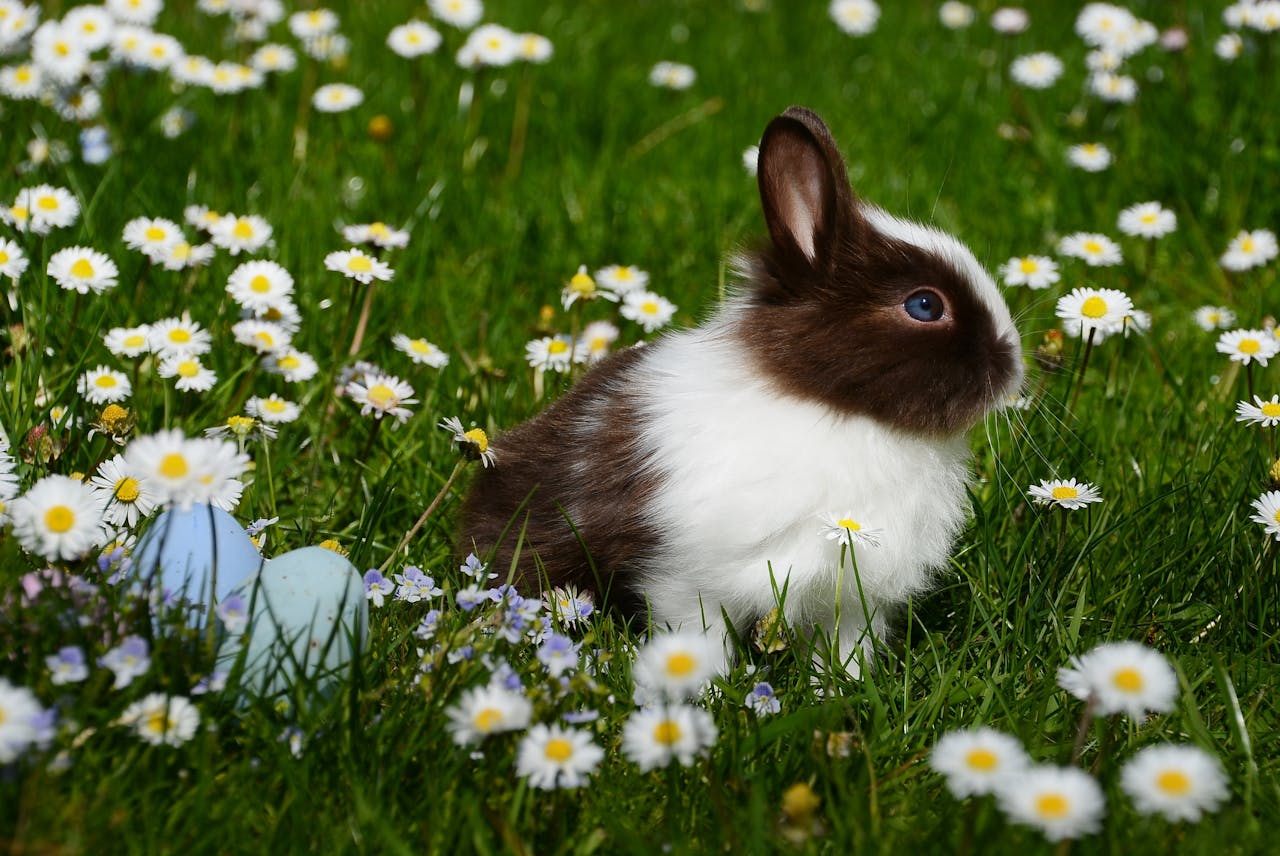
Parasitic diseases in rabbits: the commonest threats and how to prevent them
Coccidiosis, encephalitozoonosis, ear mange and cheyletiellosis are the parasitic diseases pet rabbits meet most often, and they can go unnoticed for a long time. We explain how they are diagnosed in the laboratory, how they are treated, and which hygiene, quarantine and feeding rules keep infection at bay.
-

How to protect your dog’s paws in winter
Frost, ice and road salt leave a dog's pads irritated, cracked and sometimes frostbitten every winter. We explain how to pick a route and a protective wax before the walk, how to rinse and dry the paws properly once you are home, and which signs mean it is time to call the veterinary clinic.
-

Horner’s syndrome in dogs and cats: signs, causes, diagnosis and treatment
A drooping eyelid, a smaller pupil and a visible third eyelid on one side add up to Horner's syndrome. It is not painful in itself and does not harm sight, but it often signals another, more serious condition underneath. We explain the causes, the diagnostic steps, the pharmacological tests and the treatment options.
Cardiovascular prevention in cats: the key to your pet’s health
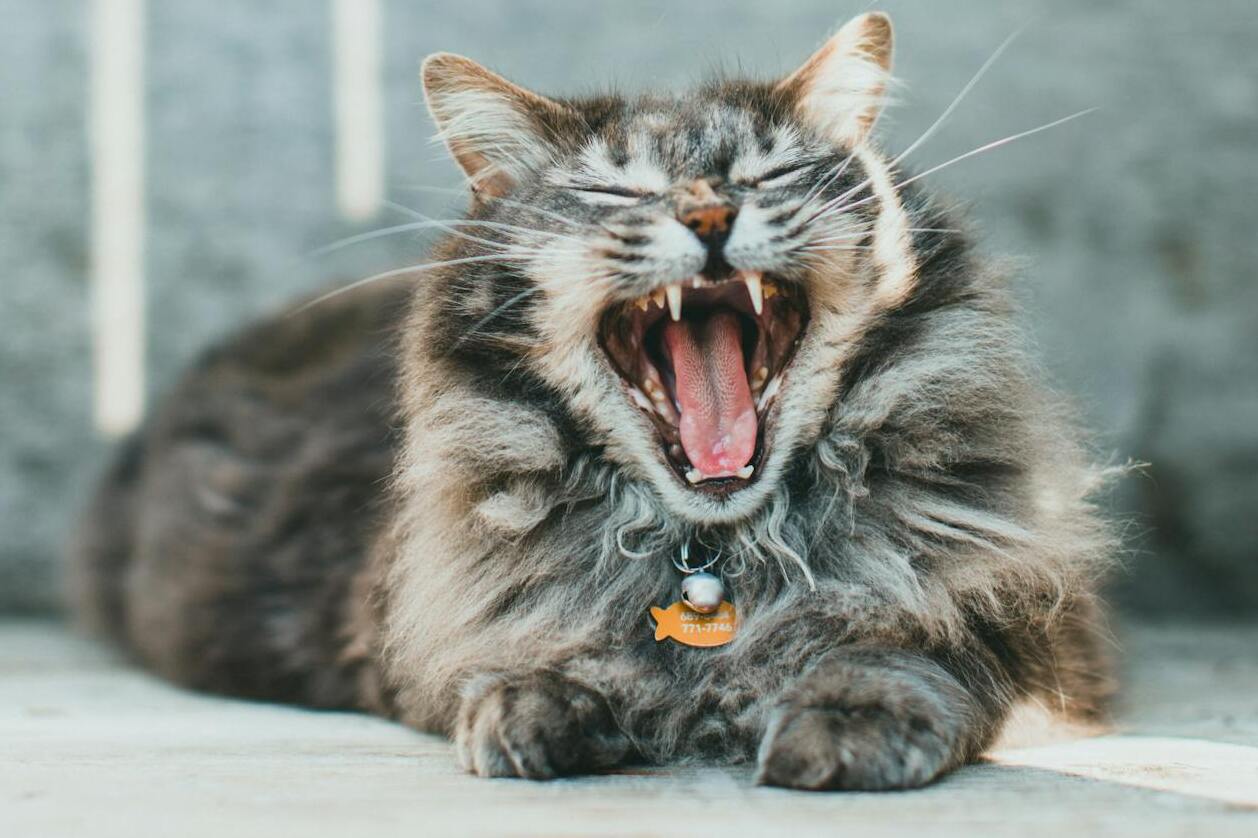
Looking after your cat’s cardiovascular health is extremely important if you want to prevent serious problems with the heart and blood vessels. A sensible lifestyle, the right diet and regular veterinary care are the cornerstones of prevention, and they can make a real difference to your furry friend’s quality of life.
Cat breeds that particularly benefit from cardiovascular prevention
Cardiovascular prevention matters for every cat, but it is especially important for breeds predisposed to heart disease. Putting the right preventive measures in place for these groups can help avoid serious health problems, improving both the quality and the length of a furry companion’s life.
A healthy diet as the foundation
The foundation of a healthy cardiovascular system in cats is the right diet. It should be high in protein and low in fat, and it should supply the essential nutrients that support heart function, such as omega-3 fatty acids and taurine. Limiting carbohydrates and fats is equally important, as this helps prevent obesity, a significant risk factor for heart disease. Feeding good-quality food formulated for cats, and adding treats such as fresh vegetables sensibly, can noticeably improve your cat’s health.
Why exercise matters for your cat’s cardiovascular health
Physical activity plays a key role in keeping a cat’s cardiovascular system healthy, benefiting both fitness and general wellbeing. Regular exercise helps control body weight, which matters because obesity is one of the main risk factors for heart disease. Activity stimulates circulation, so tissues and organs are better supplied with oxygen, and it also supports the metabolism. On top of that, exercise reduces stress, which can take its toll on cardiovascular health. Interactive play, such as chasing a ball or climbing a scratching post, not only works the cat physically but also draws on its hunting instincts and lifts its mood. Keeping a cat moving regularly contributes to its long-term health and strengthens the bond between the cat and its owner.
Reducing stress as a key part of prevention
Stress has a real effect on a cat’s cardiovascular health, so keeping it to a minimum is an important part of prevention, particularly in cats of a nervous disposition. In stressful situations a cat’s body mobilises its defences, which means producing more stress hormones such as adrenaline. Prolonged stress can raise blood pressure and speed up the heart rate, which over time increases the risk of cardiovascular disease. In anxious cats, who are more sensitive to stress in the first place, constant emotional tension can lead to chronic health problems and a poorer quality of life. It is therefore important to create a calm, comfortable environment with as few unnecessary stressful triggers as possible. Establishing a routine, providing places to hide, and using calming rituals such as stroking or quiet play can go a long way towards protecting a cat’s mental and physical health, and with it the cardiovascular system.
Supplements that support cardiovascular health in cats
It is worth stressing, however, that you should always see a veterinarian before adding any supplement to your cat’s diet. After assessing your pet’s health thoroughly and running any necessary tests, the vet will be able to choose supplements suited to each individual cat’s needs.
Regular veterinary check-ups
Regular veterinary visits are an essential part of looking after a cat’s health, and that includes the cardiovascular system. Cats should be examined at least once a year, and for breeds predisposed to heart disease, such as the Maine Coon or the Ragdoll, more frequent check-ups are worth considering. The vet will assess the animal’s health thoroughly, update its vaccinations, and may order laboratory tests and imaging such as echocardiography.
Echocardiography is a non-invasive ultrasound examination that allows a detailed assessment of the heart’s structure and function. It enables the veterinarian to identify heart defects, thickening of the heart muscle, valve insufficiency and other problems that could develop into serious disease. Picking up changes in the heart early means diagnosis and treatment can begin promptly, which can markedly improve both the prognosis and the cat’s quality of life.