

-

Parasitic diseases in rabbits: the commonest threats and how to prevent them
Coccidiosis, encephalitozoonosis, ear mange and cheyletiellosis are the parasitic diseases pet rabbits meet most often, and they can go unnoticed for a long time. We explain how they are diagnosed in the laboratory, how they are treated, and which hygiene, quarantine and feeding rules keep infection at bay.
-

How to protect your dog’s paws in winter
Frost, ice and road salt leave a dog's pads irritated, cracked and sometimes frostbitten every winter. We explain how to pick a route and a protective wax before the walk, how to rinse and dry the paws properly once you are home, and which signs mean it is time to call the veterinary clinic.
-

Horner’s syndrome in dogs and cats: signs, causes, diagnosis and treatment
A drooping eyelid, a smaller pupil and a visible third eyelid on one side add up to Horner's syndrome. It is not painful in itself and does not harm sight, but it often signals another, more serious condition underneath. We explain the causes, the diagnostic steps, the pharmacological tests and the treatment options.
Can a dog have Addison’s disease?
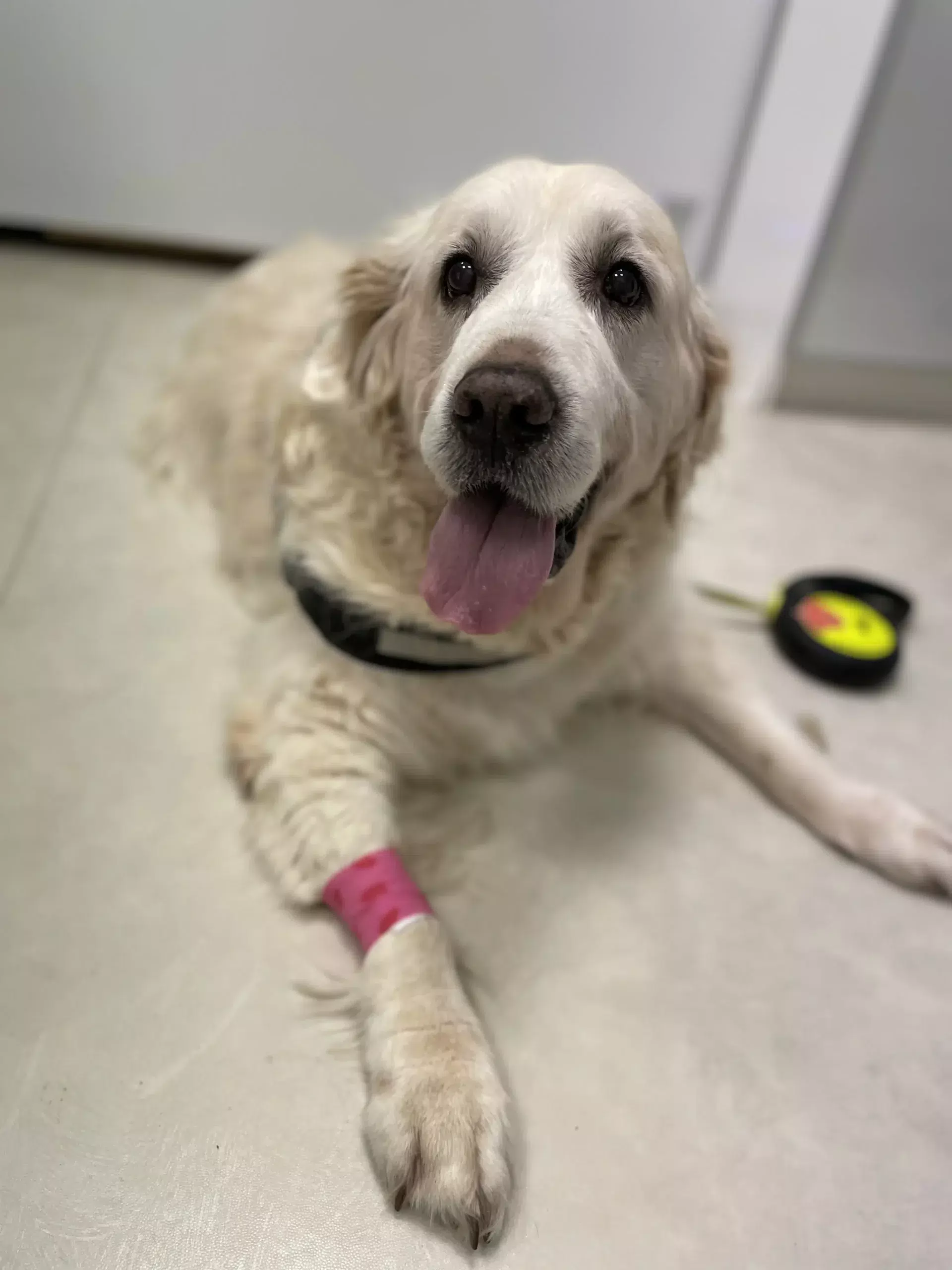
What is Addison’s disease in dogs?
Addison’s disease is adrenal insufficiency in dogs, or hypoadrenocorticism. It occurs when the adrenal glands produce too little cortisol and aldosterone, which has a negative effect on the functioning of the whole body.
These hormones are responsible for maintaining normal blood volume and blood pressure, the tone of the peripheral blood vessel walls and the animal’s response to stress.
The disease may be primary, in which case it is immune-mediated, or secondary, when the adrenal glands are damaged, for example by cancer.
What are the symptoms of Addison’s disease in dogs?
Dogs with this disease are visibly under the weather, yet there are no clear-cut signs that point to it specifically. Addison’s develops over a long time before obvious signals appear, and even those are often non-specific, by which point the animal will usually already have had some tests done. Animals often respond to symptomatic treatment, but unfortunately the problems come back after a while. The symptoms include:
How is Addison’s disease diagnosed in dogs?
The main tests carried out when adrenal problems are suspected are an ultrasound scan with a detailed assessment of the adrenal glands and a blood test measuring ACTH, the hormone produced by the pituitary gland that stimulates the adrenals. Blood urea and creatinine levels are also checked.
How is Addison’s disease treated in dogs?
Treatment is based on medication that replaces the hormones the adrenal glands should be producing. Drug therapy continues for the rest of the dog’s life from the moment of diagnosis, but bear in mind that animals with Addison’s disease can live a normal life. Such a patient needs regular visits to the vet and follow-up tests.