

-

Parasitic diseases in rabbits: the commonest threats and how to prevent them
Coccidiosis, encephalitozoonosis, ear mange and cheyletiellosis are the parasitic diseases pet rabbits meet most often, and they can go unnoticed for a long time. We explain how they are diagnosed in the laboratory, how they are treated, and which hygiene, quarantine and feeding rules keep infection at bay.
-

How to protect your dog’s paws in winter
Frost, ice and road salt leave a dog's pads irritated, cracked and sometimes frostbitten every winter. We explain how to pick a route and a protective wax before the walk, how to rinse and dry the paws properly once you are home, and which signs mean it is time to call the veterinary clinic.
-

Horner’s syndrome in dogs and cats: signs, causes, diagnosis and treatment
A drooping eyelid, a smaller pupil and a visible third eyelid on one side add up to Horner's syndrome. It is not painful in itself and does not harm sight, but it often signals another, more serious condition underneath. We explain the causes, the diagnostic steps, the pharmacological tests and the treatment options.
Bathing your cat: when, how often and what to use
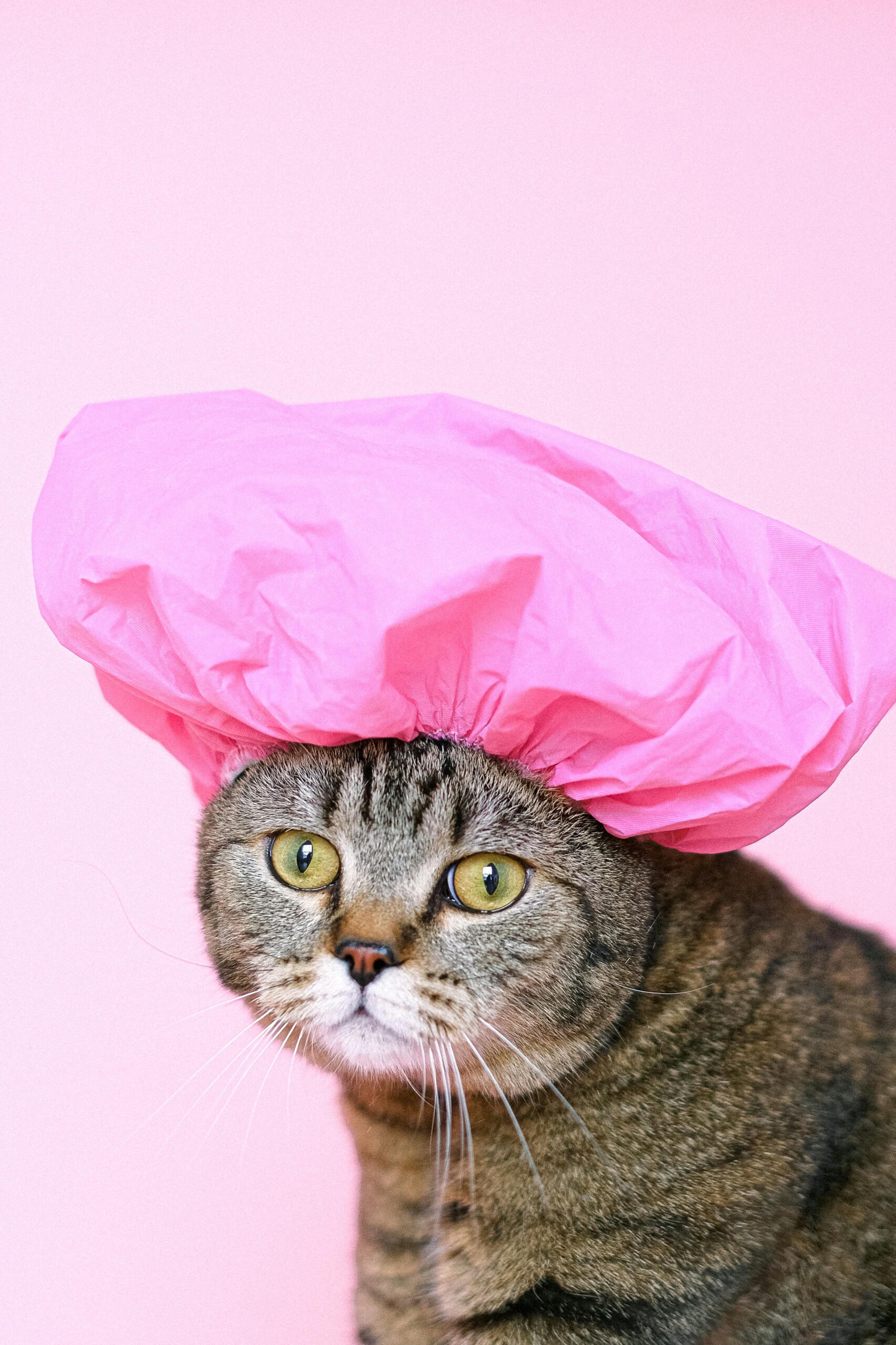
Bathing a cat is a subject that stirs up strong feelings among cat owners. Although cats are famous for keeping themselves clean, a bath is occasionally unavoidable. In this article we look at when it is worth bathing your cat, how often to do it and what products to use.
When should you bathe a cat?
Bathing is not standard practice for cats and is usually unnecessary, since they look after their own hygiene by licking their coat. There are, however, specific situations in which a bath becomes essential. One example is soiling – when a cat has come into contact with substances that may be harmful or unpleasant, such as paint, oil or chemicals, a bath is needed to remove the contamination effectively and prevent it being absorbed through the skin. Bathing also becomes crucial in cases of skin problems, which may call for special medicated shampoos intended to treat and soothe irritation. People with allergies can benefit too, as a bath helps remove allergens such as pollen or dust that settle in the coat. It is also worth remembering older cats, which may struggle to groom themselves properly. In these animals, a lack of regular grooming can lead to skin inflammation, so bathing may become a necessity to keep them comfortable and healthy.
How often should you bathe a cat?
How often a cat needs bathing depends on several factors, including lifestyle, age and state of health. Generally, most cats do not need frequent baths – once every few months, and in some cases even once a year, may be enough. Cats that spend a lot of time outdoors and regularly get dirty may need a bath every few weeks, particularly if their coat is heavily soiled. Indoor cats, on the other hand, are less exposed to dirt, so bathing should be limited to avoid disturbing the natural balance of their skin. With older cats or those with skin conditions it is important to follow the advice of your veterinarian, who may suggest more frequent bathing depending on the animal’s health. The key is to watch your cat and its needs – if you notice it is struggling to stay clean or its coat looks soiled, it may be time for a bath.
How to prepare for the bath
Preparation is a key element that can make the whole process easier.
How to choose the right shampoo
Choosing the right bathing products is essential to keeping a cat comfortable and safe. Above all, use shampoos formulated specifically for cats, as human shampoo may contain chemicals that are too harsh for their delicate skin and can cause allergies or irritation. It is worth checking the ingredients; ideally the shampoo should be free from parabens, sulphates and artificial dyes. Moisturising shampoos, or those containing natural ingredients such as aloe or oils, can be a good choice, especially for cats with sensitive skin.
What the bath itself should look like
Before bathing a cat, it is worth preparing and tending to the coat. Brush the cat thoroughly, removing any mats and dead hair that could stop the shampoo reaching the skin. Washing alone will not untangle a matted coat, so it is important to remove other debris such as sand or bits of plant material beforehand, using a fine-toothed comb. Trimming the cat’s claws is also worth doing, to minimise the risk of scratches.
The water temperature should match the cat’s body temperature – ideally around 38-39°C. Avoid extremes of temperature, which the cat will find unpleasant.
During the bath, hold the cat by the scruff and shoulders, keeping clear of its teeth and claws, as stress can make it react aggressively.
Start by wetting the coat and skin thoroughly, then apply the chosen shampoo, following the manufacturer’s instructions. Avoid contact with sensitive areas such as the eyes, ears, nose and lips.
Some products need diluting with water or working into a lather, and some are meant to be left on the coat for a set time to work properly. Rinsing the shampoo out thoroughly under running water is extremely important and may take longer than all the earlier stages of the bath.
Finally, squeeze out the excess water while still in the bath or shower, then wrap the cat in a towel, changing it as needed to keep it comfortable and dry the coat quickly.
How to look after a cat after its bath
Once the bath is over, it is important to give the cat a quiet place to dry off in a warm room where it can rest. Towels should be swapped for dry ones regularly, so that damp does not cause discomfort. The coat can be gently combed through with a comb or brush, taking care not to pull the hair.
It is worth noting that after a bath a cat may lick its still-damp coat intensively and swallow more fur than usual. In that case, giving a hairball paste is recommended, as it helps reduce the risk of trichobezoars (hairballs) forming in the digestive tract. In this way we look after our pet’s health and comfort once the bath is over.
Summary
Bathing a cat is an important part of looking after its health and hygiene, and it calls for care and a gentle touch. Understanding your pet’s needs, adapting your bathing routine to its particular character and behaviour, and providing comfortable conditions before and after the bath all make for a positive experience. Proper care combined with regular grooming keeps a cat healthy and happy. Do remember that every cat is different, so an individual approach to its needs matters.