

-
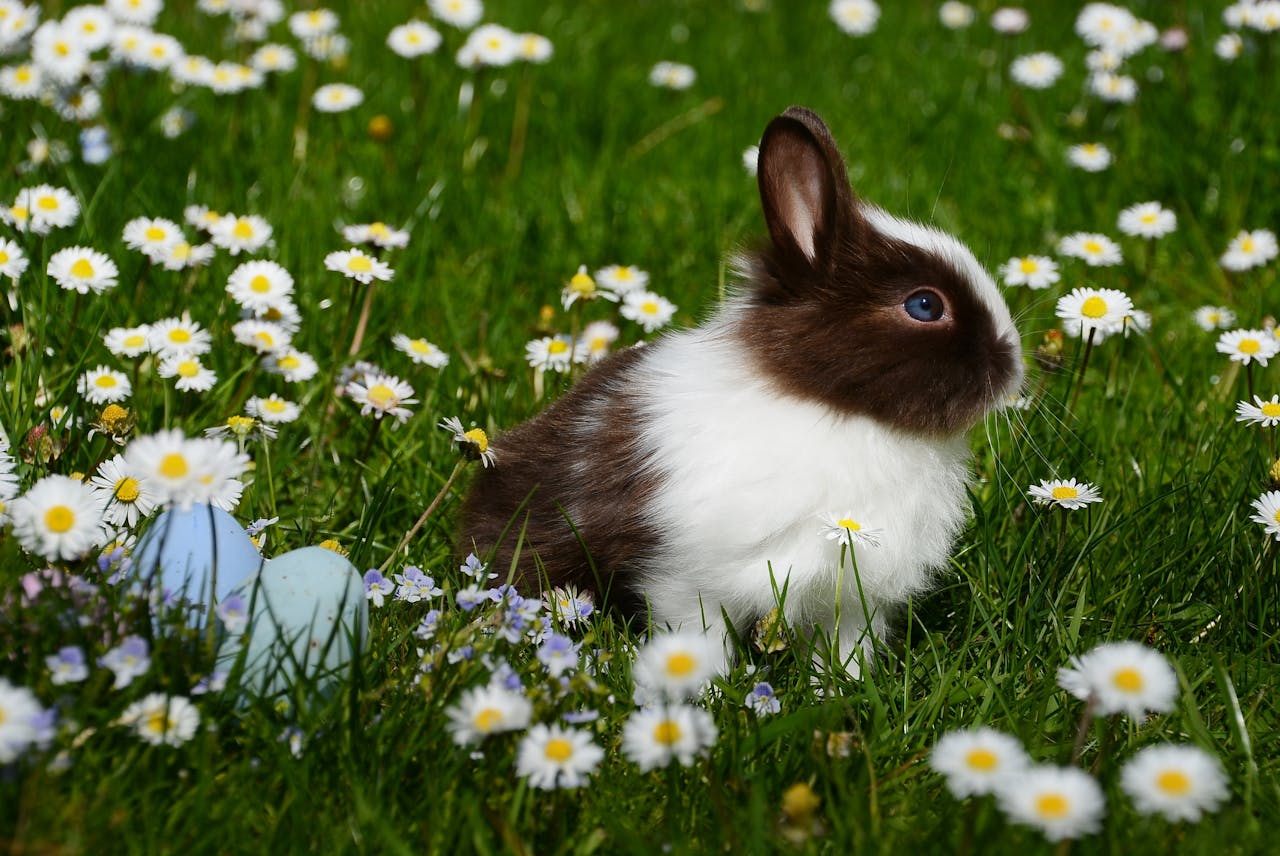
Parasitic diseases in rabbits: the commonest threats and how to prevent them
Coccidiosis, encephalitozoonosis, ear mange and cheyletiellosis are the parasitic diseases pet rabbits meet most often, and they can go unnoticed for a long time. We explain how they are diagnosed in the laboratory, how they are treated, and which hygiene, quarantine and feeding rules keep infection at bay.
-

How to protect your dog’s paws in winter
Frost, ice and road salt leave a dog's pads irritated, cracked and sometimes frostbitten every winter. We explain how to pick a route and a protective wax before the walk, how to rinse and dry the paws properly once you are home, and which signs mean it is time to call the veterinary clinic.
-

Horner’s syndrome in dogs and cats: signs, causes, diagnosis and treatment
A drooping eyelid, a smaller pupil and a visible third eyelid on one side add up to Horner's syndrome. It is not painful in itself and does not harm sight, but it often signals another, more serious condition underneath. We explain the causes, the diagnostic steps, the pharmacological tests and the treatment options.
Are Cats Really Loners?
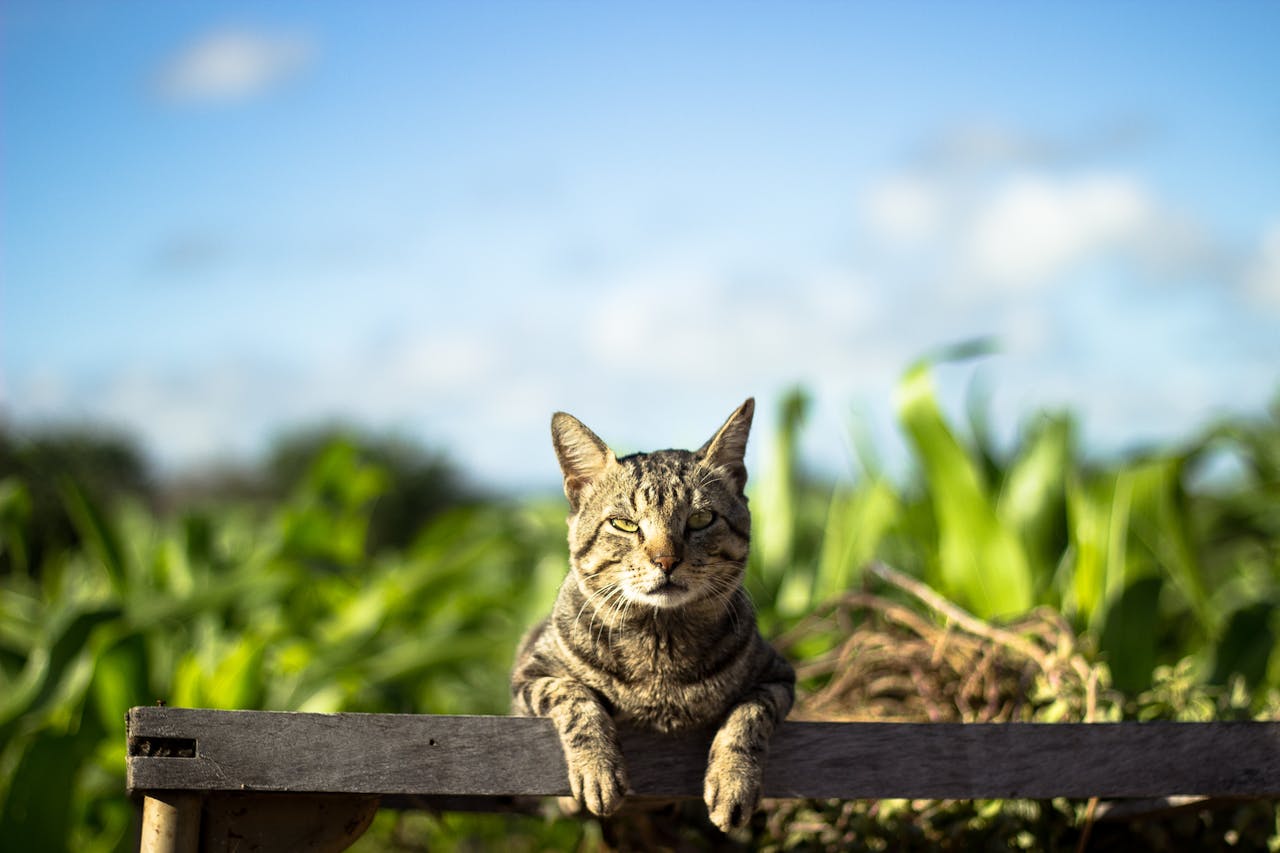
The question of whether cats are solitary creatures stirs up plenty of debate and strong feelings among their admirers. For years the received wisdom held that cats are independent animals who prefer a solitary life and have no need for company. Modern research, however, is beginning to cast the matter in a new light, suggesting that cats may be far more social than we once assumed.
The lives of wild cats: society and relationships
The lives of wild cats — feral domestic cats (Felis catus) as well as their wild relatives such as the wildcat or the sand cat — look rather different from the popular image of the loner. In reality, many wild cats live in groups, particularly where resources such as food and shelter are in short supply. Wildcats and sand cats, for instance, often form social structures built on family ties. Females may band together with their young, sharing territory and the care of the kittens, which improves their chances of survival. Standing within these groups is usually governed by a hierarchy in which dominant individuals get first access to food and shelter. Relations between cats can be friendly or competitive by turns; they communicate through visual and vocal signals as well as scent, which allows them to coordinate within the group and avoid conflict. Cooperative hunting has also been observed in such groups, making it easier to secure food. In the vast majority of cases, though, wild cats are flexible in their way of life: depending on conditions they may behave sociably or solitarily, which makes them highly adaptable animals.
Do cats want social contact?
In studying feline behaviour, scientists have noted that cats use a variety of ways to communicate with their owners, which suggests they do seek closeness and contact. Research has found that many cats left alone for long stretches begin to show signs of stress, such as excessive purring, scratching the furniture or retreating to secluded corners. Behaviour of this kind may be a signal that the cat wants interaction and emotional support.
Cats are capable of forming strong bonds with people, and their need for contact often shows itself in a search for physical closeness. Many will jump onto their owner’s lap, asking to be stroked or simply wanting to be nearby. Meowing, or quietly making their presence felt, is another way cats try to initiate contact. Science also points out that cats may draw emotional support from their interactions with people. Observations show that having their owner nearby during difficult moments — a major change at home, or an unfamiliar situation — can help a cat feel more at ease.
Cats and other animals
Where cats share a home with dogs, you can often see cooperation, shared play and a general acceptance of the other species. There are cases of cats and dogs becoming the best of friends, exploring their surroundings together — a sign of how readily they adapt and build relationships in varied social settings.
Cats are also able to adjust their behaviour to suit the animal in front of them. Faced with a bad-tempered dog, a cat is more likely to turn defensive or even aggressive, whereas in the company of a friendlier dog the same cat may be noticeably calmer and more open.
Where several cats live together, various group dynamics emerge, based on a hierarchy in which one cat may act as the “leader of the pack”. Such hierarchies are usually shaped by personality, past experience and the interactions between the animals. Cats with a compassionate streak show an understanding of other cats’ feelings and help them through stressful moments, which speaks to their capacity for empathy.