

-

Parasitic diseases in rabbits: the commonest threats and how to prevent them
Coccidiosis, encephalitozoonosis, ear mange and cheyletiellosis are the parasitic diseases pet rabbits meet most often, and they can go unnoticed for a long time. We explain how they are diagnosed in the laboratory, how they are treated, and which hygiene, quarantine and feeding rules keep infection at bay.
-

How to protect your dog’s paws in winter
Frost, ice and road salt leave a dog's pads irritated, cracked and sometimes frostbitten every winter. We explain how to pick a route and a protective wax before the walk, how to rinse and dry the paws properly once you are home, and which signs mean it is time to call the veterinary clinic.
-

Horner’s syndrome in dogs and cats: signs, causes, diagnosis and treatment
A drooping eyelid, a smaller pupil and a visible third eyelid on one side add up to Horner's syndrome. It is not painful in itself and does not harm sight, but it often signals another, more serious condition underneath. We explain the causes, the diagnostic steps, the pharmacological tests and the treatment options.
Gabriela Kliza
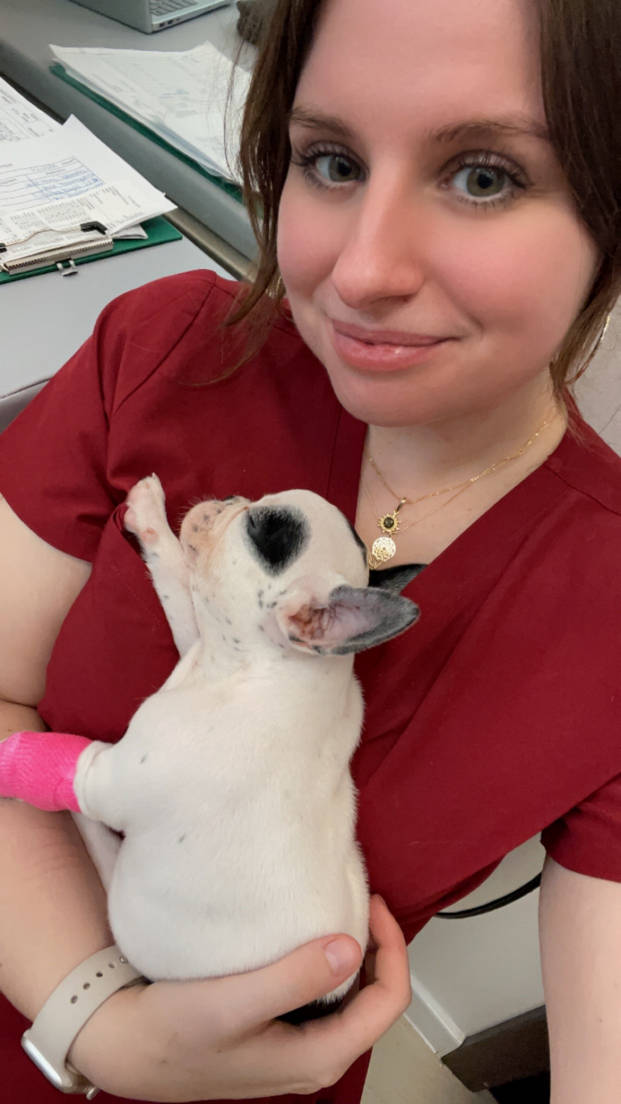
She is a fifth-year veterinary student at the Warsaw University of Life Sciences (SGGW) with a strong interest in anesthesia, internal medicine, and emergency cases. To develop her skills, she regularly participates in various courses, including the anesthesia course: “Anesthesia and Pain Control,” organized by NewGradeVets.
At Zviropolis, she works as a veterinary assistant, where she has the opportunity to actively participate in procedures and the hospitalization of patients in emergency and critical conditions. This experience allows her to gain valuable practical knowledge, essential for her future career.
Outside of her studies, she strives to lead an active lifestyle, spending time at the pool and gym. In her personal life, she is the owner of a pinscher named Luna and a cat named Dakota, which fills her life with joy and a love for animals.