

-
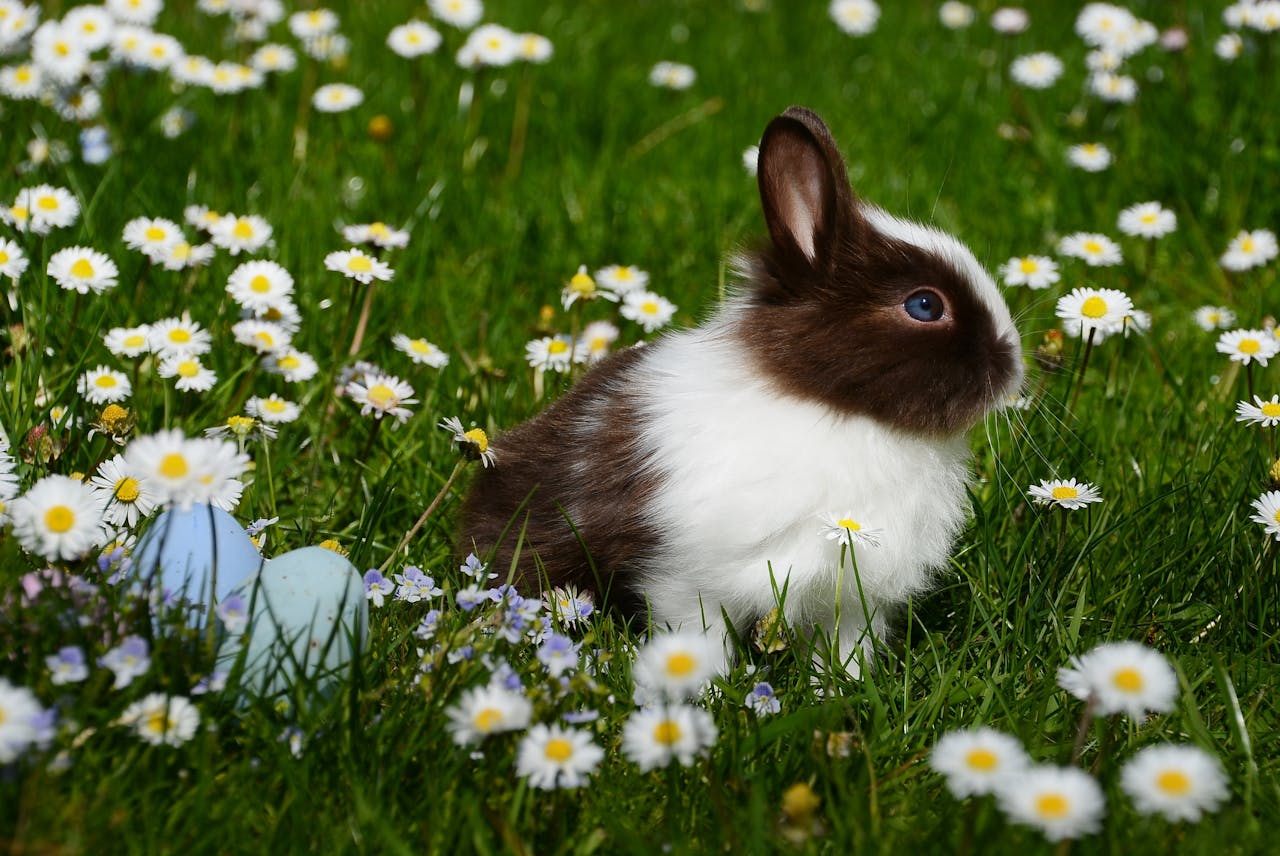
Parasitic diseases in rabbits: the commonest threats and how to prevent them
Coccidiosis, encephalitozoonosis, ear mange and cheyletiellosis are the parasitic diseases pet rabbits meet most often, and they can go unnoticed for a long time. We explain how they are diagnosed in the laboratory, how they are treated, and which hygiene, quarantine and feeding rules keep infection at bay.
-

How to protect your dog’s paws in winter
Frost, ice and road salt leave a dog's pads irritated, cracked and sometimes frostbitten every winter. We explain how to pick a route and a protective wax before the walk, how to rinse and dry the paws properly once you are home, and which signs mean it is time to call the veterinary clinic.
-
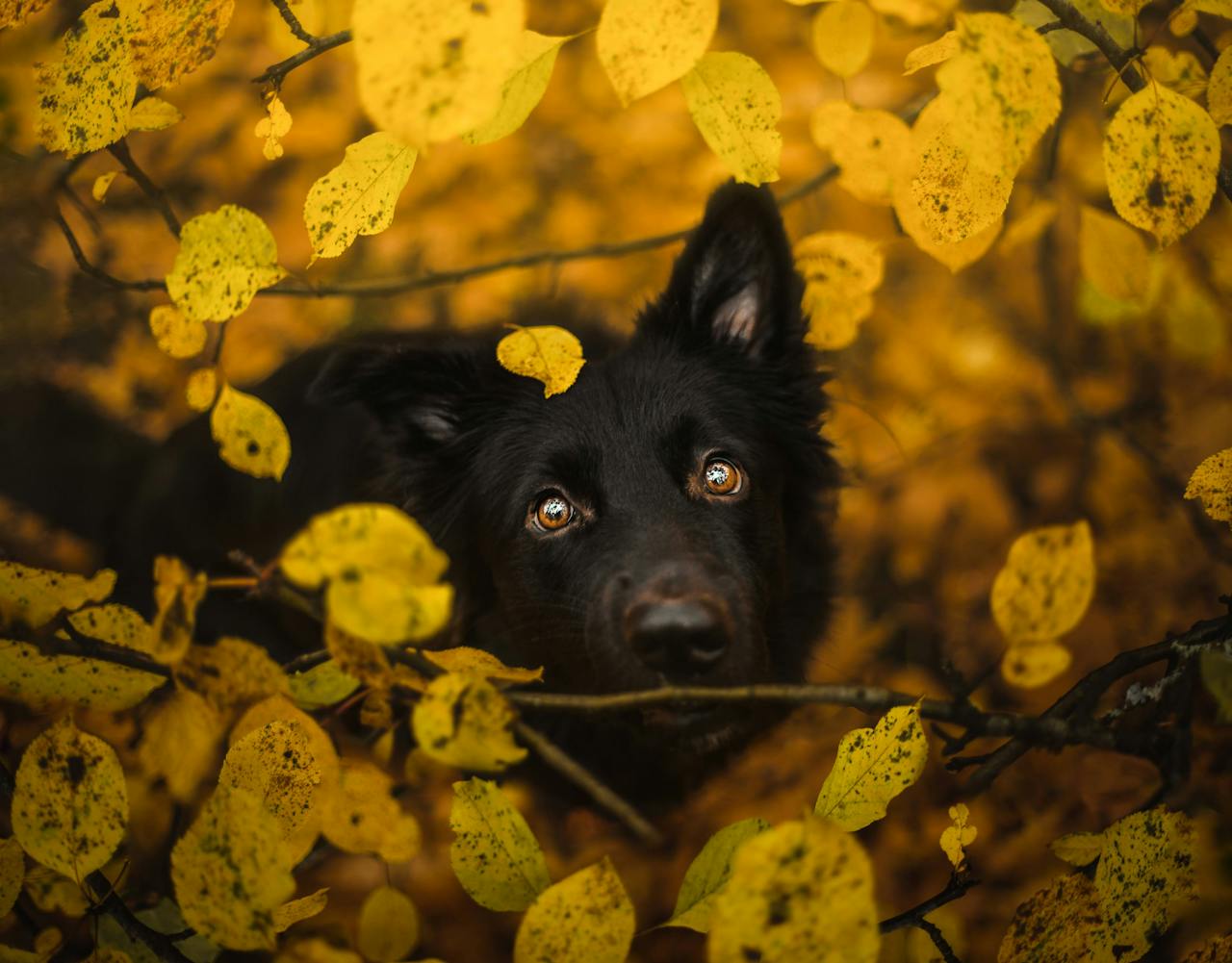
Horner’s syndrome in dogs and cats: signs, causes, diagnosis and treatment
A drooping eyelid, a smaller pupil and a visible third eyelid on one side add up to Horner's syndrome. It is not painful in itself and does not harm sight, but it often signals another, more serious condition underneath. We explain the causes, the diagnostic steps, the pharmacological tests and the treatment options.
Aleksandra Orzechowska
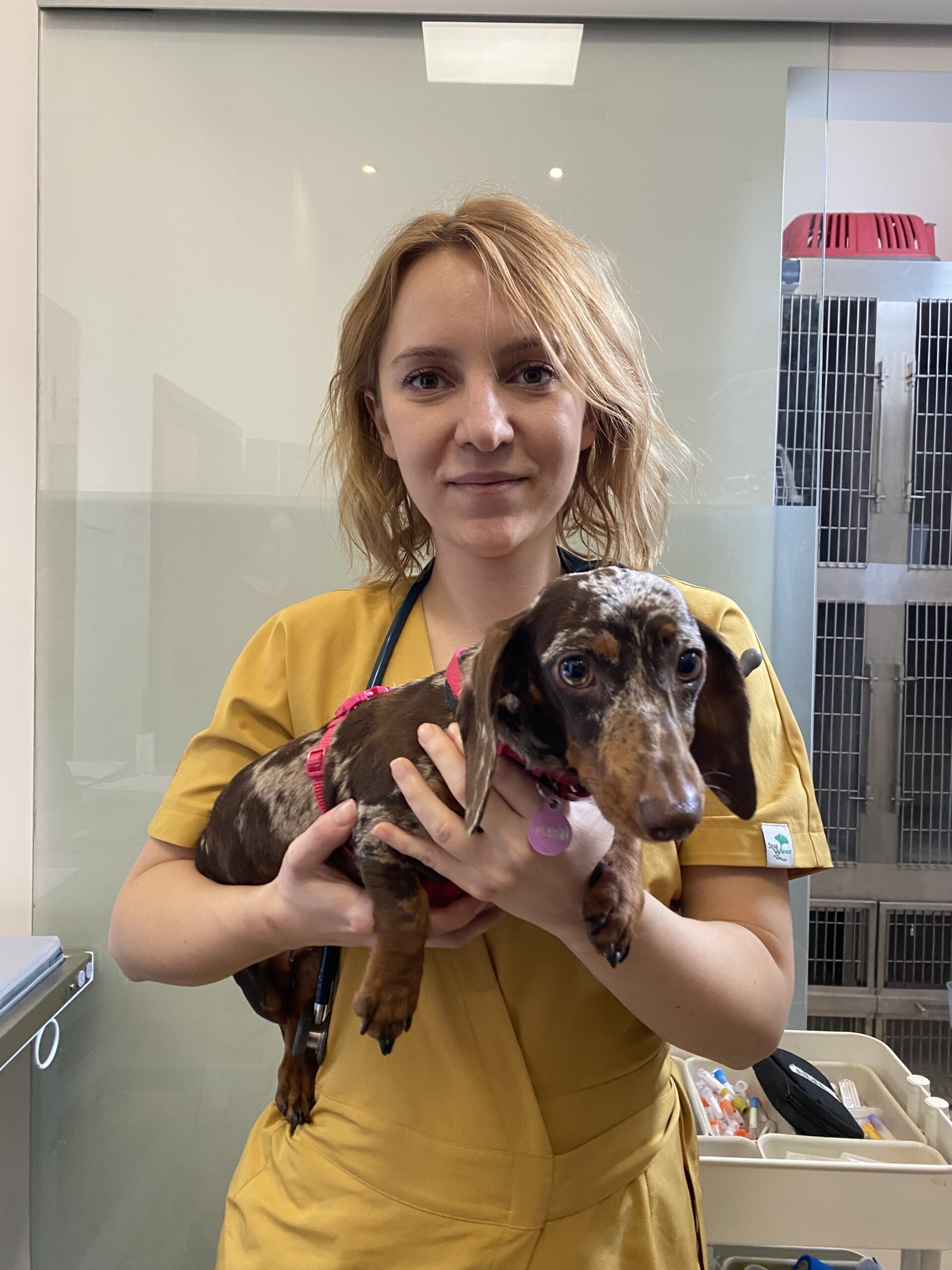
She is a graduate of the Warsaw University of Life Sciences (SGGW) in veterinary medicine. She began her professional career in veterinary clinics in Warsaw, and it was at Zviropolis that she discovered her love for cardiology in dogs and cats, which guided her further career path. Currently, she works in various clinics in Warsaw and beyond, specializing in conducting tests such as echocardiograms and lung ultrasounds.
She has participated in a variety of courses and training, including: “Cardiology: Mastervet: Basics of Canine Echocardiography,” “Anesthesia of the Cardiac Patient from A to Z,” II and III Congress of PAVC (Polish Association of Veterinary Cardiology); “VetEdu: Workshops on the Cardio-Renal Axis ESAVS European School for Advanced Veterinary Studies – Cardiology I” (the first module of a five-level course); as well as “Respiratory: VetLusExpert: Course on Thoracic Ultrasound Examination,” Vet Lus REVENGE Conference (related to lung ultrasounds), and “Mastervet: Course on Respiratory Diseases in Dogs and Cats.”
In her free time, she loves to embroider, read fantasy books, and play video games. Privately, she is the owner of a dog named Pinio.